- Freeze-dried fruit lets you build shelf-stable smoothie packs that need no freezer space and no thawing.
- Because the water is gone, you control the final texture by how much liquid and ice you add at blend time — not by the fruit.
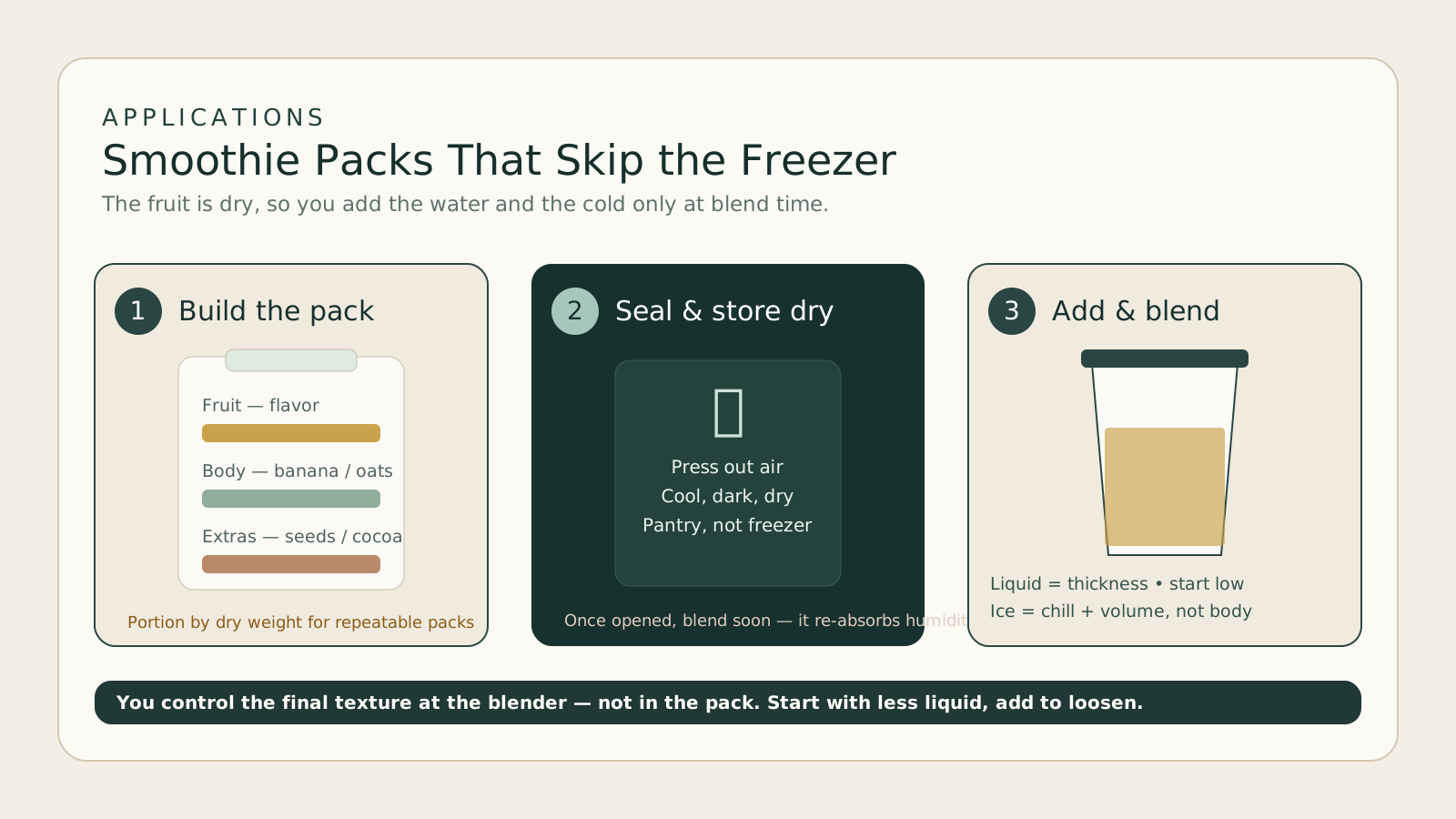
- Portion by dry weight for repeatable packs, and add a starch-rich or creamy base (banana, oats, yogurt powder) so the smoothie has body.
- Keep the packs sealed and dry until use; freeze-dried fruit re-absorbs humidity fast once a pack is opened.
Smoothie packs solved a real problem: pre-portion the fruit once, then blend on autopilot on a busy morning. The catch is that the standard version lives in your freezer, takes up space, and thaws into a puddle if you forget it on the counter.
Freeze-dried fruit offers a different build. Because the water is already removed, the packs are shelf-stable, weigh almost nothing, and skip thawing entirely. You keep the cold and the liquid separate and add them only when you blend. Done right, the result is just as fast and a lot more flexible.
Why freeze-dried works for this
The properties that make freeze-dried fruit awkward for some uses are exactly what a grab-and-go pack wants.
It is shelf-stable, so the packs live in a drawer or pantry instead of competing for freezer space. It is light and pre-concentrated, so a small pack carries a full serving of fruit flavor. It is easy to portion by weight, which means every pack is the same instead of "one handful, roughly." And it rehydrates fast, pulling in liquid the moment it hits the blender.
The one thing it does not bring is water or chill. That is a feature, not a flaw: it hands you control of the final texture instead of locking it in when you assemble the pack.
Building a pack
Think of each pack as the dry half of a smoothie. You are assembling flavor and body now, and adding liquid and cold later.
A reliable structure for a single-serving pack:
- A fruit base for flavor: your main fruit — strawberry, mango, blueberry, pineapple, or a blend. This carries the taste.
- A body ingredient: something that gives thickness, since dry fruit alone blends thin. Freeze-dried banana is the classic; rolled oats, chia seeds, or a scoop of dairy or plant milk powder work too.
- Optional extras: a spoon of cocoa, a little freeze-dried spinach or beet powder, seeds, or a protein powder if that is your goal.
Portion by dry weight, not by eye, if you want the packs to come out the same each time. Once you find a ratio you like — say, a set weight of fruit plus a set weight of body ingredient — you can reproduce it exactly, which is the whole point of prepping ahead.
Whole and broken pieces blend fine and store compactly. Powder blends even faster and disperses instantly, but it can clump if the pack picks up any humidity. If you use powder, be extra strict about keeping the pack sealed and dry until blend time.
Blending it
This is where you set the texture, and it is simpler than the frozen version because nothing needs to thaw.
Add the pack to the blender with your liquid and ice. A workable starting order: pack, then liquid, then ice. Blend, check, and adjust. Because the fruit rehydrates from whatever you add, start with less liquid than you think and add more to loosen it — it is easy to thin a thick smoothie and impossible to un-water a runny one.
The two levers to remember:
- Liquid controls how thick or thin the smoothie is. More liquid, thinner result.
- Ice controls chill and adds volume, but not much body. If you want it cold and thick, pair ice with a body ingredient rather than relying on ice alone.
If the smoothie comes out thin even with modest liquid, the fix is almost always more body in the pack next time — another portion of freeze-dried banana, oats, or milk powder — not less fruit.
Storing the packs
The packs are shelf-stable, but only while they stay sealed and dry. Freeze-dried fruit is hygroscopic: it re-absorbs humidity from the air quickly once exposed, softening and clumping.
A few practical habits keep them right:
- Seal each pack well in a zip pouch, small jar, or heat-sealed bag, and press out excess air.
- Store cool, dry, and out of direct light, the same as any freeze-dried fruit.
- Assemble only what you will use within a reasonable window rather than a giant batch that sits half-forgotten.
- Once a pack is opened, blend it soon. Exposed fruit does not go bad quickly, but it loses its dryness and starts to feel stale.
Kept sealed, a pack lasts about as long as the freeze-dried fruit inside it would on its own.
The takeaway
Freeze-dried fruit turns smoothie packs into a pantry item instead of a freezer chore: shelf-stable, exactly portioned, and ready whenever you are. Build each pack as the dry half of a smoothie — fruit for flavor, a body ingredient for thickness — portion by weight for consistency, and add liquid and ice only at blend time so you control the final texture. Keep them sealed and dry, and a drawer of packs is a week of fast smoothies with no thawing and no puddles.
Frequently Asked Questions
Do freeze-dried smoothie packs need to be refrigerated or frozen?
No. That is the main advantage. As long as the fruit stays sealed and dry, the packs are shelf-stable at room temperature. You add the cold — ice or a chilled liquid — only at blend time.
Will the smoothie be watery if the fruit is dry?
Not if you control the liquid. Freeze-dried fruit rehydrates from whatever you blend it with, so the final consistency depends on how much liquid and ice you add, not on the fruit. Start with less liquid and add more to reach the texture you want.
How do I get body without a frozen banana?
Add something starchy or creamy to the pack. Freeze-dried banana, a spoon of rolled oats, chia seeds, or a dairy or plant milk powder all give the smoothie thickness. Ice adds chill and volume but not much body on its own.
How long do the packs keep?
As long as the freeze-dried fruit's own shelf life if the pack stays sealed, dry, and away from heat and light. Once opened, blend it soon — exposed freeze-dried fruit picks up humidity and softens quickly.