- Freeze-dried fruit adds flavor and color to energy bites without the extra moisture that fresh fruit would bring.
- Powder is best for even flavor distribution, while small pieces are better when you want visible fruit identity in the bite.
- Tart berries and apple are the easiest starting points because they cut rich nut butters and sweet binders cleanly.
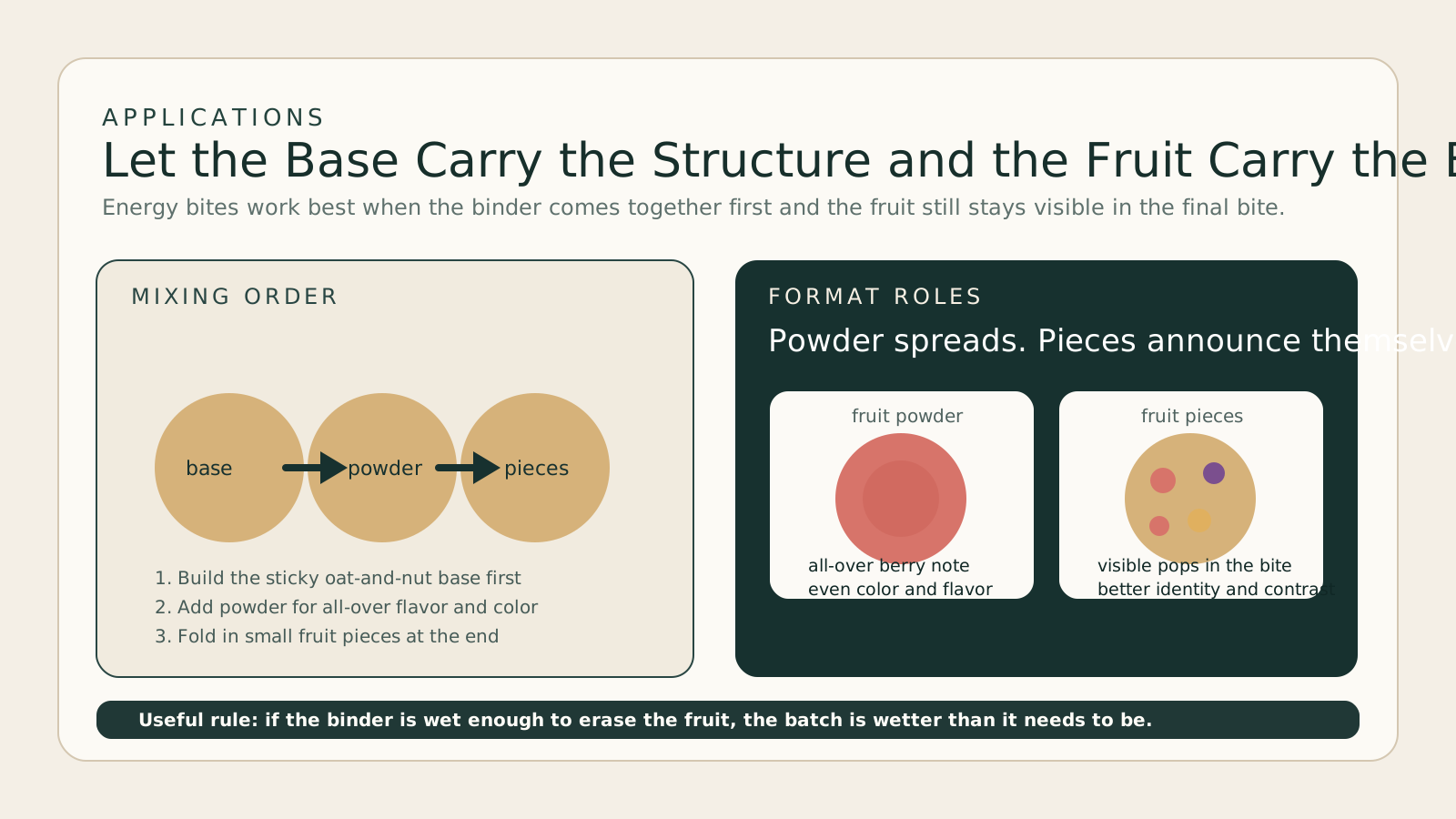
- Add the fruit after the base is combined and keep the mix only as sticky as necessary, or the fruit will disappear into the binder.
Energy bites are dense by design. Oats, nut butter, seeds, protein powder, coconut, dates, or syrup all want to create a compact, sticky base.
That is exactly why freeze-dried fruit can work so well here.
The direct answer
To use freeze-dried fruit in energy bites and protein balls, decide whether you want all-over flavor, visible fruit pieces, or both, then add the fruit after the base is mostly mixed. Fruit powder distributes flavor best, while small fruit pieces give the bite more contrast and identity. The goal is to let the fruit brighten the base without letting the sticky binder swallow it.
The wrong move is treating every fruit format the same.
Start by deciding what the fruit should do
The fruit can play at least three different roles in an energy bite:
- flavor through the whole bite
- visible bursts of fruit texture
- color and aroma that make the bite feel fresher
Those roles point to different formats.
If you want the whole bite to taste like strawberry or blueberry, powder usually works best. If you want the snack to show distinct fruit pieces when you break it open, use small pieces or crumble. If you want both, use a little powder plus a little folded-in fruit.
That decision is more important than the fruit variety itself.
Build the sticky base first
The base is usually the heaviest part of the mix. Oats, nut butters, protein powder, chopped nuts, or seed meals take real pressure to come together.
If delicate freeze-dried fruit goes in too early, two things tend to happen:
- pieces get crushed into dust before the mix is cohesive
- the fruit disappears into the binder instead of staying readable
So mix the structural ingredients first:
- oats or cereal base
- nut or seed butter
- sweetener or date paste if used
- protein ingredients
- salt, spice, cocoa, or other dry flavorings
Once the base is close to holding together, then bring in the fruit.
Powder and pieces play different roles
This is the most useful technique in the whole article.
Fruit powder
Powder is best when you want:
- even flavor through every bite
- strong color
- less chew interruption
- a cleaner blend with protein powders or fine oat bases
Raspberry, strawberry, blueberry, and apple powders are especially useful because they add a recognizable signal fast.
Fruit pieces
Small fruit pieces or crumble are best when you want:
- visible fruit identity
- a little crunch or contrast
- a more premium handmade feel
Apple, strawberry, blueberry, and mango pieces are usually the easiest formats. If the pieces are too large, break them smaller before folding them in.
Best fruit choices for most batches
For first attempts, the easiest fruits are:
- strawberry for color and sweet-acid balance
- blueberry for a cleaner darker berry note
- raspberry for the sharpest tartness
- apple for a milder crunch and cinnamon-friendly profile
- mango for sweeter tropical bites
These all work because they can cut through rich bases made from peanut butter, almond butter, tahini, coconut, or date paste.
Banana can work, but it usually reads softer and sweeter. Pineapple can be excellent in tropical batches, but it benefits from smaller piece size.
Control the binder before you roll
The fruit is dry. Most batch failures come from the binder, not from the fruit.
If the mix is too wet:
- the powder turns jammy
- the fruit pieces lose definition
- the finished bites feel heavy instead of lively
If the mix is too dry:
- the balls crack while rolling
- fruit pieces fall out
- the bite tastes dusty instead of cohesive
The fix is to adjust slowly. Add extra binder in small increments rather than flooding the batch. A barely cohesive base is usually easier to correct than an over-wet one.
The easiest mixing pattern
For a reliable fruit-forward batch:
- mix the base fully
- add fruit powder and stir until evenly colored
- fold in small fruit pieces last
- roll gently instead of aggressively squeezing
That sequence keeps the fruit visible and keeps the flavor from sitting only on the surface.
A few strong combinations
Useful patterns include:
- peanut butter + oats + strawberry powder + strawberry pieces
- almond butter + vanilla protein + blueberry powder + blueberry crumble
- cashew butter + coconut + mango pieces + a little pineapple powder
- tahini + honey + apple pieces + cinnamon
- chocolate base + raspberry powder + raspberry crumble
These work because the fruit has a clear job rather than being thrown in as a generic healthy add-on.
Finish with rolling, chilling, and clean storage
Once the mix holds together, roll the bites and chill them so the binder sets slightly.
For storage:
- keep them in a dry container
- separate layers if the bites are soft
- avoid packing them while still warm
The fruit will stay more defined when the bites are treated as a low-moisture snack rather than as a moist dessert filling.
If the base carries the structure, the fruit can carry the brightness. If the binder carries too much moisture, the fruit loses that job.
Bottom line
Freeze-dried fruit is one of the easiest ways to make energy bites and protein balls taste brighter without adding extra liquid. Use powder for distribution, pieces for identity, and add both after the base is already behaving.
The best batches are the ones where the fruit still feels intentional in the final bite, not just nutritionally included.
Frequently Asked Questions
What freeze-dried fruit works best in energy bites?
Strawberry, blueberry, raspberry, apple, and mango are usually the easiest options. Berries add brightness, apple adds a clean mild crunch, and mango works when you want a sweeter softer profile.
Should I use fruit powder or fruit pieces?
Use powder when you want flavor spread through the whole bite, and use small pieces when you want visible fruit pops. Many of the best recipes use both.
Can freeze-dried fruit make protein balls soggy?
Not by itself. Freeze-dried fruit is dry. The usual problem is the opposite: a wet binder can soften or bury the fruit if the ratio is off.
When should the fruit be added?
Usually near the end, once the nut-butter and oat base has already come together. That keeps delicate fruit pieces from being crushed into dust.
Which fruits are harder to use?
Very large chunks and very sweet softening-prone pieces can overwhelm the bite or vanish into the binder. Breaking them smaller first usually helps.