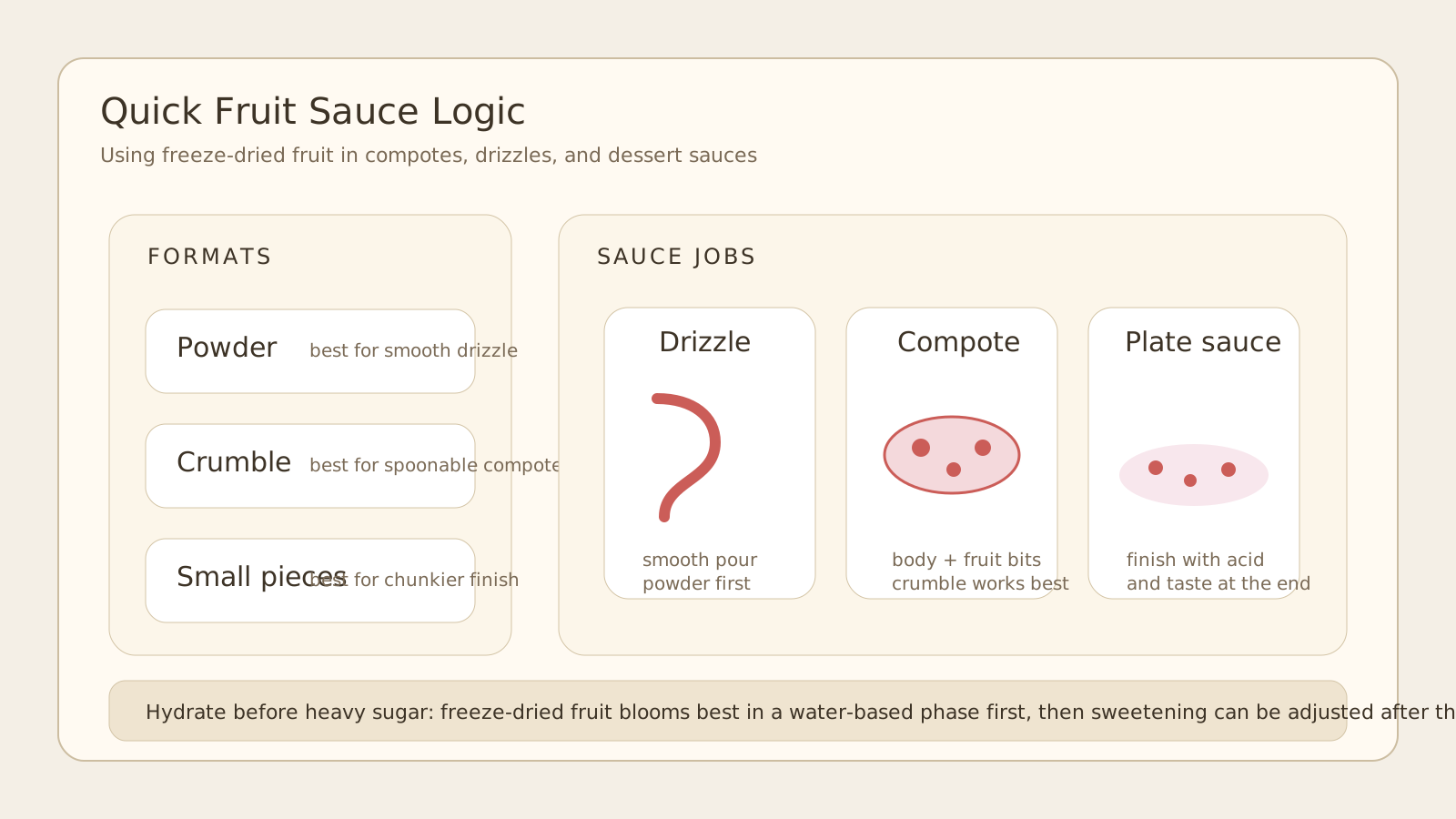
- Powder is best for smooth drizzles and even color, while crumble and small pieces are better when the sauce needs texture.
- Hydrate the fruit in a water-based phase first; adding it straight to thick sugar or fat usually leads to clumps.
- Berry fruits are usually the safest all-around starting point, while mango and pineapple work best in sweeter, softer sauce styles.
- The most common mistake is using too much too early. Freeze-dried fruit intensifies quickly once it hydrates.
Freeze-dried fruit is usually pictured on top of desserts.
It is often just as useful inside the sauce that goes on top.
The direct answer
To use freeze-dried fruit in quick sauces, compotes, and dessert drizzles, treat it like a concentrated fruit base rather than a dry topping. Use powder for smooth sauces, crumble or small pieces for spoonable texture, hydrate the fruit first, and adjust sweetness only after the fruit has opened into the liquid.
That sequence is what keeps the sauce bright instead of chalky.
Start with the right format for the sauce
The format decides almost everything.
For a smooth drizzle, powder is usually the best starting point. It disperses quickly, spreads color evenly, and can be whisked into yogurt, cream, glaze, syrup, or a light milk-based sauce without leaving obvious particles.
For a spoonable compote, fine crumble or small pieces are usually better. They give the sauce a little chew and fruit identity without demanding the long simmer a fresh-fruit compote would need.
For a plated dessert sauce, the choice depends on the visual goal. Powder gives clean color and a restaurant-style line on the plate. Crumble gives a more rustic, fruit-forward look.
Large snack pieces are rarely the best first move here. They hydrate unevenly and often feel bulky unless the sauce is intentionally chunky.
Hydrate the fruit before building the sauce
This is the step that prevents most failures.
Freeze-dried fruit wants a water-based phase first. Good starting liquids include:
- water
- fruit juice
- citrus juice
- milk
- yogurt thinned slightly with milk
Let the powder, crumble, or small pieces sit briefly in that liquid before asking them to blend into heavier sugar or dairy. If the fruit hits a thick sweet base too early, the outside can hydrate while the center stays dusty.
That is how a sauce ends up tasting chalky even when the flavor should have been clean.
Sweetness should follow the fruit, not lead it
Dry freeze-dried fruit can taste gentler than it will once hydrated.
That matters because a spoonful of sugar added too early can push the sauce into candy territory before you realize how concentrated the fruit already is. It is usually better to:
- hydrate the fruit
- taste the opened fruit base
- then decide how much extra sweetness is actually needed
This is especially true with strawberry, raspberry, cherry, and blueberry, which often carry enough natural intensity that they need less help than people expect.
Mango and pineapple are different. They usually work best when the sauce is meant to feel softer, sweeter, and more dessert-coded rather than bright and tart.
Drizzle and compote are different jobs
A lot of disappointing fruit sauces come from asking one mixture to do two incompatible things.
Drizzle
A drizzle wants:
- smoothness
- clean pourability
- even flavor spread
- minimal particle drag
That usually means powder, a lighter liquid base, and only enough thickness to keep the sauce from running away on the plate or dessert.
Compote
A compote wants:
- visible fruit presence
- spoonable body
- some texture variation
- a slightly softer, more homemade look
That usually means crumble or small pieces and a thicker final texture. You are not hiding the particles. You are choosing them.
If you try to force chunkiness into a smooth drizzle, it drags and breaks. If you try to turn every compote into velvet, it often loses its fruit identity.
Best fruit choices by sauce style
Best all-around fruits
- strawberry
- raspberry
- blueberry
- cherry
These are the easiest because they bring both color and recognizable fruit flavor quickly.
Best for softer tropical sauces
- mango
- pineapple
These are strongest when paired with vanilla, coconut, cream, yogurt, or warmer dessert profiles.
Best as accents rather than bases
- banana
- apple
These can be useful, but they usually work best when supporting another flavor or when the goal is a softer, breakfast-style fruit note rather than a bright plated sauce.
Two common mistakes
Using too much fruit
Freeze-dried fruit is concentrated. Once it hydrates, the flavor can jump faster than expected. Start smaller than your intuition suggests, then build upward.
Expecting it to act like jam immediately
Fresh-fruit compote naturally brings its own water. Freeze-dried fruit needs that water added back in a controlled way. If you skip that reality, the sauce often becomes pasty instead of lush.
Easy ways to use it
Quick freeze-dried fruit sauces work especially well on:
- cheesecake
- yogurt and panna-cotta style desserts
- ice cream or soft serve
- pancakes and waffles
- oatmeal or breakfast bowls when you want a softer fruit finish
They can also rescue a plain dessert quickly. A little raspberry or strawberry drizzle over vanilla ice cream usually does more than a much more elaborate topping plan.
Conclusion
Freeze-dried fruit works in quick sauces because it brings concentrated fruit character without waiting on a long cook. The trick is to respect the difference between powder, crumble, and pieces, then hydrate before you sweeten heavily.
When that order is right, the result tastes deliberate instead of improvised.
Frequently Asked Questions
What form of freeze-dried fruit works best in dessert sauce?
Usually powder for a smooth drizzle and fine crumble or small pieces for a spoonable compote. Large snack pieces are less reliable when the goal is a clean sauce texture.
Do I need to soak freeze-dried fruit before making a sauce?
Usually yes. A short hydration in water, juice, milk, or another water-based component helps the fruit bloom and prevents dry clumps.
Which fruits work best in quick dessert drizzles?
Strawberry, raspberry, blueberry, and cherry are usually the easiest starting points. Mango and pineapple can also work well when the sauce is meant to feel sweeter and more tropical.
Why did my freeze-dried fruit sauce turn chalky?
That usually means the powder did not hydrate fully, the ratio was too high, or the sauce moved into sugar and fat before the fruit opened into the liquid phase.
Can I use whole freeze-dried fruit pieces in compote?
You can, but small pieces or crushed fruit usually behave better. Large pieces can hydrate unevenly and feel awkward unless the compote is intentionally chunky.