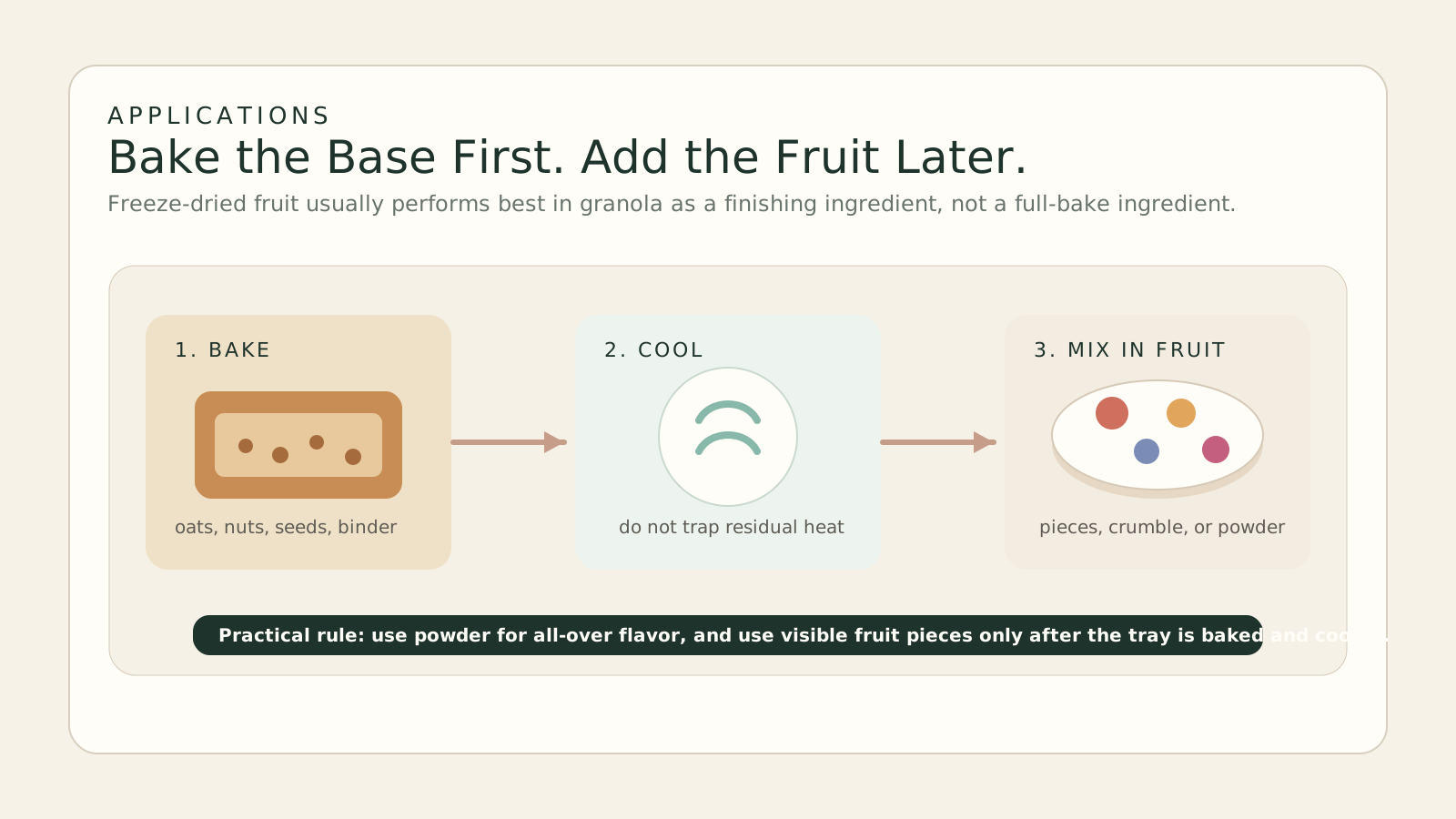
- Most freeze-dried fruit should be added after the granola has baked and cooled, not at the start of the oven time.
- Fruit powder can go into the binder or finishing dust, while visible pieces usually belong in the post-bake mix.
- Berries and tropical fruits are the easiest to scorch or lose identity if baked too long.
- Cooling matters: warm granola can soften the fruit quickly, while fully cooled granola preserves the contrast that makes the mix interesting.
- The right fruit format depends on the job: visible pieces for contrast, crumble for distribution, powder for full-batch flavor.
Freeze-dried fruit looks like the ideal granola ingredient because it is light, crisp, and shelf-stable.
The catch is heat.
The direct answer
To use freeze-dried fruit in homemade granola without burning it, bake the granola base first and add most fruit after baking and cooling. Use fruit powder sparingly in the binder or as a finishing layer when you want flavor throughout the batch.
That approach works because freeze-dried fruit is already dry and fragile. It usually does not need the same oven time as oats, nuts, seeds, or syrup-coated clusters.
Why full-bake fruit often disappoints
Freeze-dried fruit is not entering the oven like raw apple chunks or fresh berries.
It is already:
- dry
- porous
- concentrated
- relatively brittle
That makes it vulnerable during a full granola bake. Instead of turning pleasantly toasty, it can:
- darken too far
- turn oddly hard
- lose some of its clear fruit identity
- fragment into dusty bits at the bottom of the pan
This is most obvious with berries and tropical fruits, which often have strong color and aroma when added late but can feel flatter when baked too long.
Bake the base first
The cleanest granola workflow is to separate the jobs.
The oven's job is to:
- dry and toast the oat base
- set the sweet binder
- build clusters
- color the nuts and seeds
The fruit's job is different:
- add recognizable fruit notes
- create visual contrast
- bring sweet-tart bursts
- keep some light crispness
Those jobs do not always belong on the same timetable.
So for most batches, the better move is to bake the granola base on its own, then fold in the freeze-dried fruit later.
Use powder as a flavor layer, not a substitute for all the fruit
If you want fruit flavor throughout the granola, fruit powder is often the smarter pre-bake tool than whole pieces.
A little powder can work in:
- the syrup or honey binder
- a dry spice mix with cinnamon or cardamom
- a finishing dust tossed on after baking
That gives the batch broader fruit coverage without forcing visible pieces through the entire oven cycle.
The useful discipline is restraint. Too much powder can make the granola read dusty, candy-like, or muddled rather than fruit-forward.
Cooling is part of the recipe, not a delay
Many granola problems blamed on storage actually begin during cooling.
If freeze-dried fruit is mixed into a tray while the base is still warm, the fruit can start softening before the granola ever reaches the jar. That does not always make it soggy, but it can dull the contrast that made the fruit appealing in the first place.
For cleaner texture:
- let the granola cool on the tray
- break clusters after the tray has settled
- fold fruit in only when residual warmth is mostly gone
That extra patience usually gives a better result than trying to rush the mix-in step.
Choose the format based on the finished granola
Not every batch wants the same fruit format.
Large visible pieces
Best when you want obvious fruit moments and strong visual contrast. Good for strawberry, mango, apple, or larger blueberry formats.
Smaller crumble
Best when you want fruit distributed more evenly through every scoop instead of showing up in only a few large bites.
Powder
Best when the granola wants all-over fruit tone rather than visible fruit architecture.
The mistake is using one format for every goal.
Which fruits are easiest to work with
For most home granola, the easiest starting fruits are:
- strawberry
- blueberry
- apple
- raspberry
- mango
Strawberry and raspberry bring the clearest tart-pop identity. Blueberry reads calmer and blends easily with oat and nut flavors. Apple is especially practical when the granola leans cinnamon-forward. Mango works best in coconut, cashew, ginger, or tropical-style batches.
Store it only when the batch is actually ready
Do not jar the granola just because it looks done.
Jar it when:
- the base is fully cool
- the fruit feels dry to the touch
- no residual steam is trapped in the container
If the batch goes into storage warm, the crunchy window usually shortens.
Bottom line
Freeze-dried fruit works well in homemade granola when it is treated as a finishing ingredient rather than a full-bake ingredient. Bake the oat base first, use powder only where it adds something, cool the tray, and then mix in the fruit format that matches the job.
That method keeps the fruit tasting like fruit instead of turning it into collateral damage from the oven.
Frequently Asked Questions
Should freeze-dried fruit go into granola before baking?
Usually no. Most freeze-dried fruit performs better when mixed in after baking because long oven exposure can darken it, harden it, or mute the fruit flavor.
Can fruit powder go into the granola mixture before baking?
Yes, in small amounts. Powder is often best used in the binder or as a finishing dust because it spreads flavor more evenly than whole pieces.
When should I mix fruit pieces into granola?
After the granola is fully baked and mostly or fully cooled. That keeps the pieces visible and helps preserve their crunch.
Which freeze-dried fruits work best in homemade granola?
Strawberry, blueberry, apple, raspberry, and mango are usually the easiest starting points. The best choice depends on whether you want tart accents, sweeter chunks, or even flavor distribution.
Why did my fruit turn chewy inside the jar?
Often because it was mixed into granola while the batch was still warm, or because the finished granola was stored before the fruit and base had fully cooled and equalized.