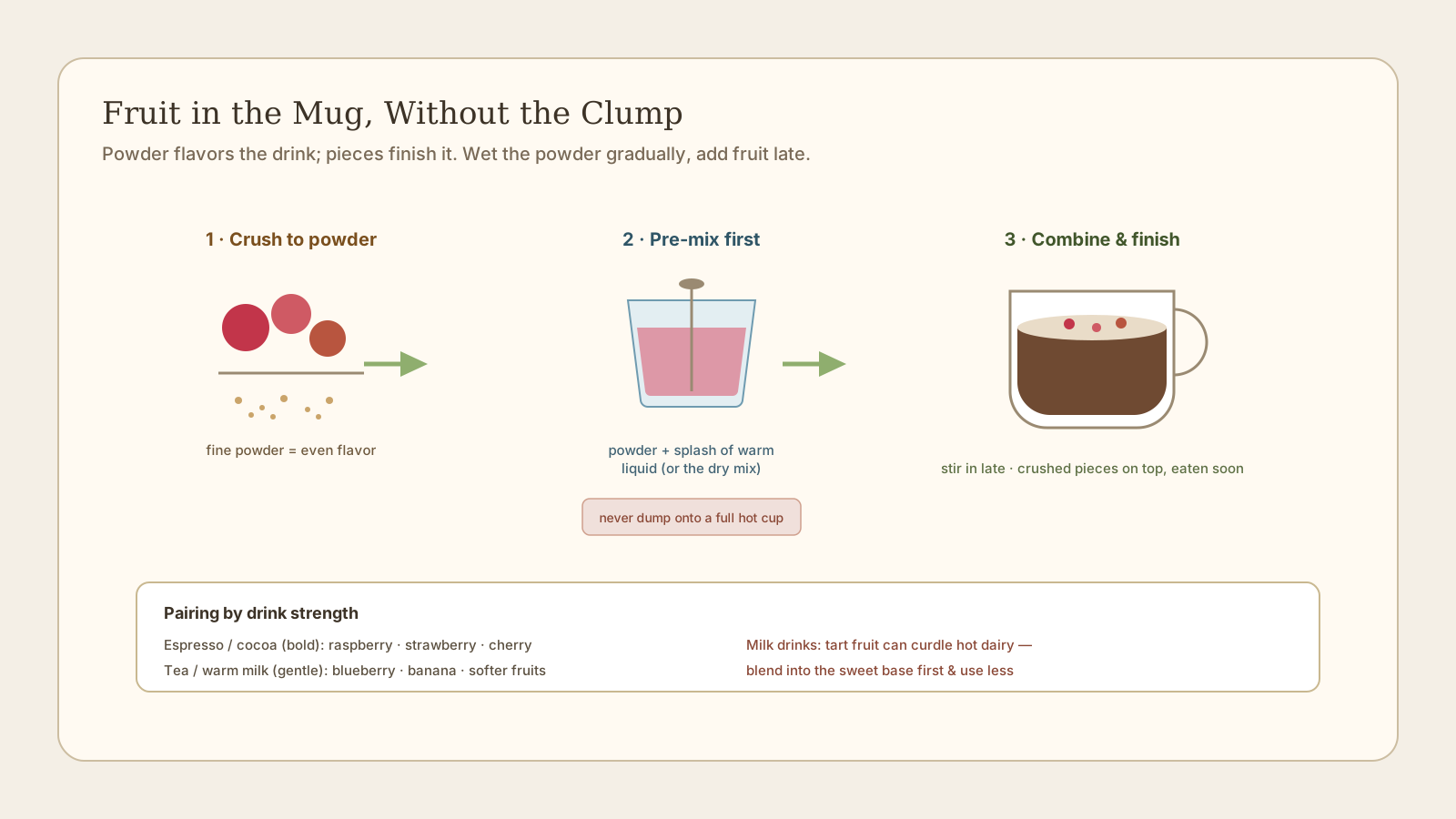
- Use freeze-dried fruit as a powder to flavor hot drinks and as whole or crushed pieces only as a quick garnish, because pieces left in a hot liquid soften fast.
- Stir powder into a small amount of warm liquid or the dry mix first to avoid clumps, rather than dumping it onto a full hot cup.
- Tart, aromatic fruits like raspberry, strawberry, and cherry pair well with cocoa and coffee, while delicate fruits fade under strong roast and heat.
- In milk-based lattes, watch acidity: very tart fruit can curdle hot dairy, so blend it into the sweetened base or use less.
Most people meet freeze-dried fruit cold: scattered on yogurt, dropped into cereal, eaten straight from the bag. The hot mug is less obvious territory, and that is a shame, because a spoon of raspberry powder can do more for a cocoa or a flat white than most syrups, without the artificial edge.
The catch is that hot drinks change the rules. Heat softens the fruit instantly, milk reacts with acidity, and powder clumps if you treat it carelessly. None of this is hard to manage, but it does reward a little technique. Here is how to get bright fruit flavor into coffee, lattes, cocoa, and tea without ending up with a clump at the bottom of the cup.
Powder for flavor, pieces for garnish
The first decision is form, and it is simple. If you want the fruit to flavor the whole drink, use powder. If you want a decorative finish, use whole or crushed pieces, but add them last.
Freeze-dried fruit is extremely dry, which is why it rehydrates the instant it touches hot liquid. A whole strawberry slice that gives a satisfying crunch on yogurt turns soft within seconds in a hot cup and usually sinks. That is fine if it is sitting on foam and gets eaten right away, but it is not how you flavor a drink. Powder, by contrast, disperses and dissolves, carrying fruit flavor through the whole mug.
So think of it as two jobs: powder does the flavoring, pieces do the finishing. You can make your own powder by crushing freeze-dried fruit fine, which is covered in the dedicated guide.
The clumping problem, and how to beat it
The most common mistake is dumping fruit powder onto a full, hot cup. The powder hits the surface, the top layer wets and gels, and it traps dry powder underneath in a clump that refuses to dissolve.
The fix is to wet the powder gradually. Two reliable methods work. The first is to mix the fruit powder into the dry ingredients before any liquid is added, for example stirring it into cocoa powder or a spoonful of sugar, so each particle is separated before it meets water. The second is to make a small slurry: stir the powder into a tablespoon or two of warm milk or water until smooth, then pour that into the rest of the drink.
Either way, the principle is the same. Introduce the powder to a little liquid first, then scale up. It takes ten extra seconds and removes the problem entirely.
Never add fruit powder to a full hot cup. Always pre-mix it with the dry mix or a small splash of warm liquid first. That single habit prevents almost every clumping complaint.
Pairings that actually work
Not every fruit suits every drink, because roast and cocoa are assertive flavors that can bury a delicate fruit.
For coffee and espresso drinks, the tart and aromatic fruits hold up best. Raspberry, strawberry, and cherry all pair naturally with coffee's roast and bitterness, which is why those combinations show up so often on cafe menus. Blueberry is milder and works, but leans subtle. For cocoa and hot chocolate, the same tart-red fruits shine, since berry and chocolate is a classic match, and a little raspberry or cherry powder turns a plain cocoa into something that tastes deliberate.
For tea and warm milk drinks, you have more room for gentler fruits. A delicate fruit that would vanish under espresso can carry a fruit steamer or a lightly sweetened tea nicely. As a rule, match the intensity of the fruit to the intensity of the drink: bold fruit for bold roast, soft fruit for soft bases.
Working with milk: the acidity question
Milk-based drinks add one more variable. Fruit is acidic, and acid can curdle hot milk. Very tart fruit, or acid-sensitive non-dairy milks, are the most likely to react.
The way to avoid it is to keep the fruit acid from hitting hot milk all at once. Blend the fruit powder into a sweetened syrup or the chocolate base first, use a modest amount rather than a heavy dose, and add the fruit mixture to the milk rather than dropping powder straight into a hot steamed pitcher. If you do see the milk begin to curdle, reduce the fruit next time or pull the milk temperature back slightly. With a sensible amount and the pre-mix habit, curdling is easy to avoid.
Add it late, drink it soon
Heat is gentle on freeze-dried fruit for a few seconds and less kind over several minutes. The fresh aroma dulls and bright colors slowly shift the longer fruit sits in a hot liquid. The practical move is to add the fruit close to serving, give it a stir, and drink it while it is fresh, rather than letting it steep.
This is also why the garnish goes on at the very end. A scatter of crushed freeze-dried raspberry over the foam of a mocha looks and tastes best in the first minute, before it softens into the surface. Treat the fruit as a finishing touch added last, not an ingredient that sits and waits.
A few drinks to try
To make it concrete: stir raspberry powder into cocoa powder and sugar, then build a raspberry hot chocolate by adding hot milk and whisking. Make a strawberry latte by mixing strawberry powder into a little sweetened condensed milk or syrup, then combining with espresso and steamed milk. Build a cherry mocha by adding cherry powder to the chocolate base before the espresso. For a caffeine-free option, stir blueberry or strawberry powder into warm sweetened milk for a fruit steamer.
In every case the technique is identical: disperse the powder in a small amount of liquid or the dry mix first, combine, and finish with a few crushed pieces on top if you want the look.
Bottom line
Freeze-dried fruit earns a place in hot drinks when you respect what heat does to it. Use powder to flavor and pieces only as a last-second garnish, pre-mix powder with the dry ingredients or a splash of warm liquid to avoid clumps, match tart aromatic fruits like raspberry, strawberry, and cherry to bold coffee and cocoa, and add fruit to milk carefully to avoid curdling.
Get those four habits right and a single spoon of fruit powder gives a coffee, latte, or cocoa real fruit character, with nothing on the label but the fruit itself.
Frequently Asked Questions
Should I use whole pieces or powder in a hot drink?
For flavor that disperses through the drink, use powder. Whole or crushed pieces lose their crunch within seconds in hot liquid and tend to sink, so reserve them for a garnish added at the very end, on foam or whipped cream, where they are eaten quickly before they soften.
How do I keep the powder from clumping?
Do not pour powder straight onto a full hot cup. Either stir it into the dry ingredients first, such as cocoa powder or a spoon of sugar, or make a small slurry by mixing the powder with a little warm milk or water before adding it to the rest. Either method wets the powder gradually so it dissolves instead of clumping on the surface.
Which fruits work best with coffee and cocoa?
Raspberry, strawberry, and cherry are reliable partners for both coffee and chocolate because their tart, aromatic character stands up to roast and cocoa. Blueberry and banana are milder and work better in gentler drinks. Very delicate fruits can get lost under a strong espresso, so they suit tea or warm milk more than a dark roast.
Will tart fruit curdle my latte?
It can. Acidic fruit added to hot milk can cause curdling, especially with very tart fruit or non-dairy milks that are sensitive to acid. To avoid it, mix the fruit powder into a sweetened syrup or the chocolate base first, use a modest amount, and add it to the milk rather than the other way around. If you see curdling, reduce the fruit or lower the milk temperature slightly.
Does heat destroy the fruit flavor or color?
Heat dulls some of the fresh aroma and can shift bright colors toward duller tones over time, but a quick stir-in just before drinking keeps most of the flavor and color intact. The longer the fruit sits in hot liquid, the more both fade, which is another reason to add it close to serving rather than letting it steep.
Can I make a fruit latte without an espresso machine?
Yes. Stir fruit powder into warm sweetened milk for a fruit steamer, add it to hot cocoa, or stir it into strong brewed coffee with a little sweetener and a splash of milk. The technique is the same as with espresso: disperse the powder in a small amount of liquid first, then combine.
Primary sources & further reading
- Water Activity (aw) in Foods U.S. Food & Drug Administration Referenced for why low-moisture freeze-dried fruit rehydrates and softens quickly once it contacts hot liquid.
- Factors affecting the stability of anthocyanins and strategies for improving their stability: A review Food Chemistry: X / ScienceDirect Referenced for the effect of heat on fruit pigment stability and color over time.
External links open in a new tab. We do not receive compensation from any organization listed; sources are referenced because they are primary, current, and publicly verifiable.