- Freeze-dried fruit is porous and very low in moisture, so it absorbs liquid quickly and can rehydrate in minutes rather than hours.
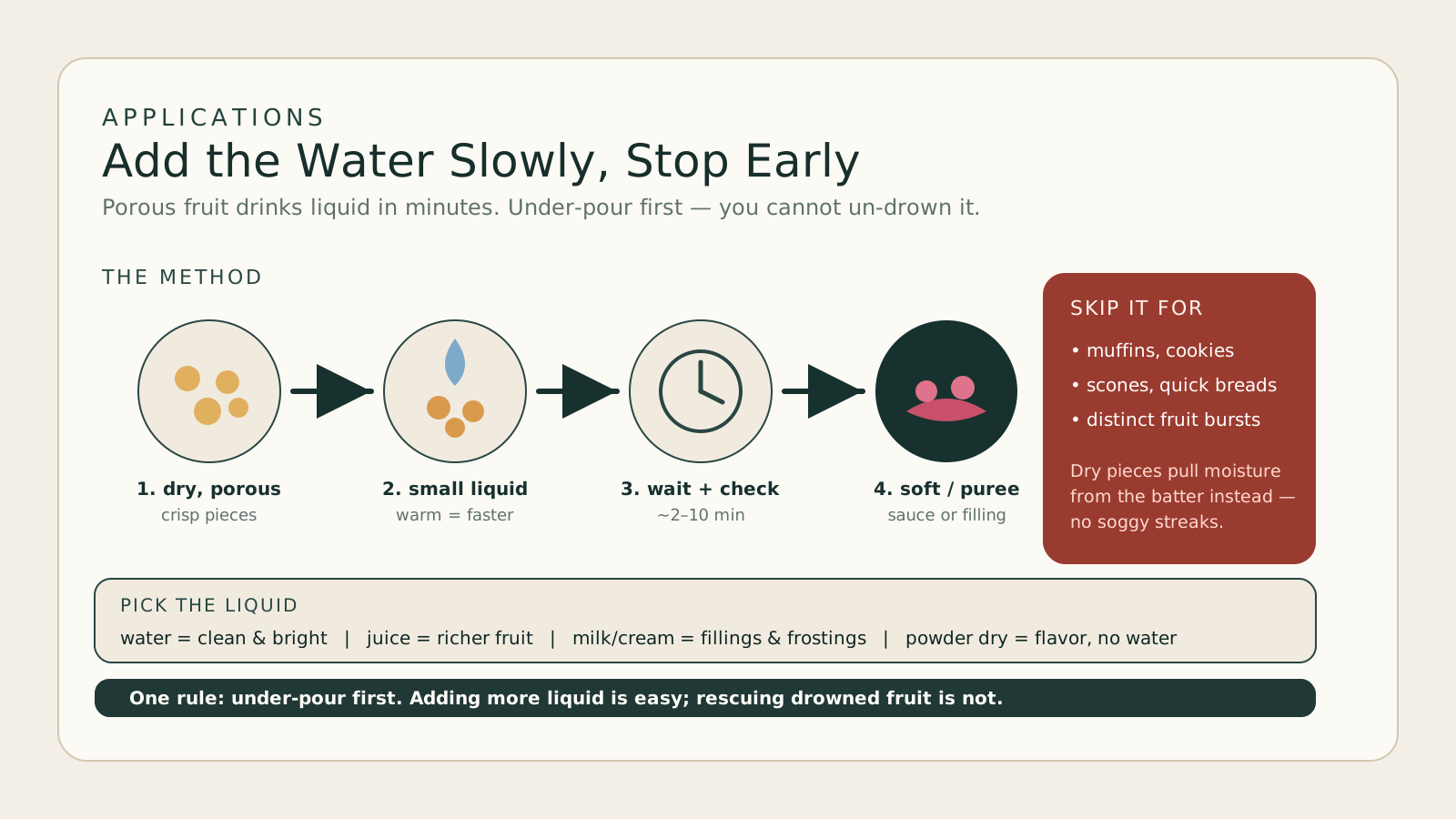
- Add liquid in small amounts; it is far easier to add more than to rescue fruit you have drowned.
- Use a flavorful liquid like juice, milk, or syrup when you want the fruit to taste richer, and warm liquid when you want faster, more even absorption.
- For many baked goods you should skip rehydrating and let the fruit pull moisture from the batter instead, or it can turn to mush.
Freeze-dried fruit has a second life most people never use. Dry, it is a crisp snack. Add liquid, and the same strawberry or mango turns into something you can swirl into yogurt, fold into a filling, or simmer into a quick sauce, with a clean, concentrated flavor and no added thickeners.
The whole skill is controlling the water. Freeze-dried fruit is engineered to absorb liquid fast, which is a gift and a trap. Get the ratio right and it rehydrates in minutes. Overdo it and you have a watery puddle with the fruit flavor diluted out of it.
Why it rehydrates so fast
Freeze-drying removes water by sublimation, turning ice directly to vapor and leaving the fruit's structure riddled with tiny open pores. That sponge-like network is why a freeze-dried piece feels so light, and it is exactly why it drinks up liquid so quickly.
Compared with air-dried or chewy dried fruit, which is denser and rehydrates slowly, freeze-dried fruit can soften in minutes. Thin slices and powders are nearly instant. That speed is the thing to respect: you are not soaking overnight, you are watching a fast process and stopping it at the right moment.
The core method
The reliable approach is the same every time: add liquid gradually.
Place the fruit in a bowl. Add a small amount of liquid, far less than you think you need. Stir gently and wait a minute or two. Check the texture, then add a little more liquid only if it is still drier than you want.
A sensible starting ratio is roughly equal volumes of fruit and liquid, then adjust. But treat that as a beginning, not a rule, because pieces vary in thickness and how much they have already taken on moisture from the air.
It is easy to add more liquid and almost impossible to take it back out. Always under-pour first. Drowned freeze-dried fruit cannot be un-drowned.
Mash or blend if you want a puree; leave it alone if you want soft, intact pieces.
Choosing the liquid
Water rehydrates fine and lets the pure fruit flavor lead, which is what you want for a bright, clean sauce. But the liquid is also a flavor decision.
Juice, including the fruit's own juice or a complementary one, deepens flavor and adds a little sweetness and body. Milk or cream gives a softer, richer result that suits fillings, frostings, and dessert swirls. Light syrup adds gloss and sweetness for compotes and toppings. A splash of liqueur or citrus can sharpen a dessert sauce.
Match the liquid to the dish. A vinaigrette or a fresh fruit sauce wants water or juice so the flavor stays crisp. A mousse or ganache swirl wants cream or milk so it blends smoothly.
Hot versus cold liquid
Temperature is a speed-and-evenness control.
Warm liquid speeds absorption and tends to rehydrate more evenly, which is what you want when you are building a sauce or puree and do not mind a little cooked character. Bring it just to warm rather than a hard boil for delicate fruit.
Cold liquid works perfectly well when you have a couple of extra minutes and want to protect bright color and fresh-tasting flavor, for example when folding fruit into cold yogurt, cream, or a no-cook filling. It is gentler, just slower.
When you should not rehydrate at all
This is the part people miss. For a lot of baking, rehydrating first is the wrong move.
In muffins, cookies, scones, and quick breads, dry freeze-dried fruit can act as a tiny moisture sponge inside the batter. Left dry, it absorbs a little liquid from the dough as it bakes, which keeps the pieces from bleeding color and going soggy. Pre-soaking them first removes that buffer and often gives you streaky, wet spots instead of clean bursts of fruit.
So default to dry fruit when:
- you are folding pieces into a batter or dough
- you want distinct color and texture, not a swirl
- the recipe already has plenty of moisture
Reach for rehydrated fruit when:
- you want a soft fruit layer, filling, or swirl
- you are making a sauce, compote, puree, or drizzle
- the recipe specifically needs a wet, blendable fruit element
A useful in-between trick: use freeze-dried fruit powder dry to flavor and color frostings, creams, and doughs without adding any water at all. It carries intense flavor with zero moisture penalty.
A few quick applications
To make this concrete:
A fast sauce: blend freeze-dried raspberries or strawberries with a little warm water or juice, a few minutes, until it loosens into a pourable coulis. Sweeten to taste.
A yogurt or oatmeal swirl: stir a spoonful of powder or a little fruit into a small amount of the yogurt or milk already in the bowl, let it soften a minute, then fold through.
A cake or pastry filling: rehydrate pieces in warm juice or cream until soft, then mash to a spreadable consistency, keeping the liquid minimal so it holds.
In each case the move is the same: small liquid, short wait, adjust.
The takeaway
Rehydrating freeze-dried fruit is less about a recipe and more about restraint. The fruit's porous structure means it absorbs fast, so add liquid in small amounts, pick a liquid that matches the flavor you want, and use warmth to speed things up when it helps. And remember the most common mistake is rehydrating at all, since for much of baking the fruit does its best work going in dry.
Frequently Asked Questions
How long does it take to rehydrate freeze-dried fruit?
Usually just a few minutes. Because the pieces are porous and nearly moisture-free, they soak up liquid quickly. Thin slices and powders rehydrate almost instantly; thicker pieces may need five to ten minutes and a gentle stir.
How much liquid should I add?
Start small and build up. A common starting point is roughly equal volumes of fruit and liquid, then add more a little at a time until you reach the texture you want. Adding too much at once is the main way rehydrating goes wrong.
Should I use hot or cold liquid?
Warm liquid speeds absorption and gives more even results, which helps for sauces and purees. Cold liquid works fine when you have time and want to protect delicate color and fresh flavor, such as folding fruit into yogurt or cream.
Can I rehydrate freeze-dried fruit for baking?
Sometimes, but often you should not. In muffins, cookies, and quick breads, dry pieces can absorb moisture from the batter, which keeps them from bleeding and going soggy. Rehydrate mainly when a recipe needs a soft fruit, a swirl, or a sauce.
What liquids work best?
Water is neutral and lets the fruit flavor lead. Juice, milk, cream, and light syrup add richness and body. Match the liquid to the dish: water or juice for bright sauces, milk or cream for fillings and frostings.
Primary sources & further reading
- Freeze-Drying of Plant-Based Foods National Library of Medicine / Foods Referenced for the porous structure of freeze-dried plant tissue and its rapid rehydration behavior.
- The Freeze-Drying of Foods—The Characteristic of the Process Course and the Effect of Its Parameters on the Physical Properties of Food Materials National Library of Medicine / Foods Referenced for how the open pore network from sublimation drives fast water uptake on rehydration.
External links open in a new tab. We do not receive compensation from any organization listed; sources are referenced because they are primary, current, and publicly verifiable.