- Plain, well-processed freeze-dried fruit rarely needs added color, so a coloring declaration is a meaningful signal rather than background noise.
- U.S. labels distinguish certified color additives, which are named individually, from color from natural sources, which often appears as 'color added' or names a source like beet or turmeric.
- Added color can be legitimate — restoring faded shades in blends or crisps — but it can also mask oxidation, lower-grade fruit, or a product that is more confection than fruit.
- Read the coloring line together with the rest of the ingredient list and any '100% fruit' or 'no artificial' claims, since those claims and an added color can conflict.
Freeze-dried strawberries come out of the dryer a vivid red. Mango stays a deep orange, blueberries a dark blue-purple. One of the quiet selling points of freeze-drying is that it holds color far better than most drying methods. So when a freeze-dried fruit label declares an added coloring, that is worth a second look — not because added color is always a problem, but because a good plain fruit usually does not need it.
Reading the coloring line well means knowing what the different declarations mean, why color gets added in the first place, and how the coloring statement squares with the rest of the label.
The direct answer
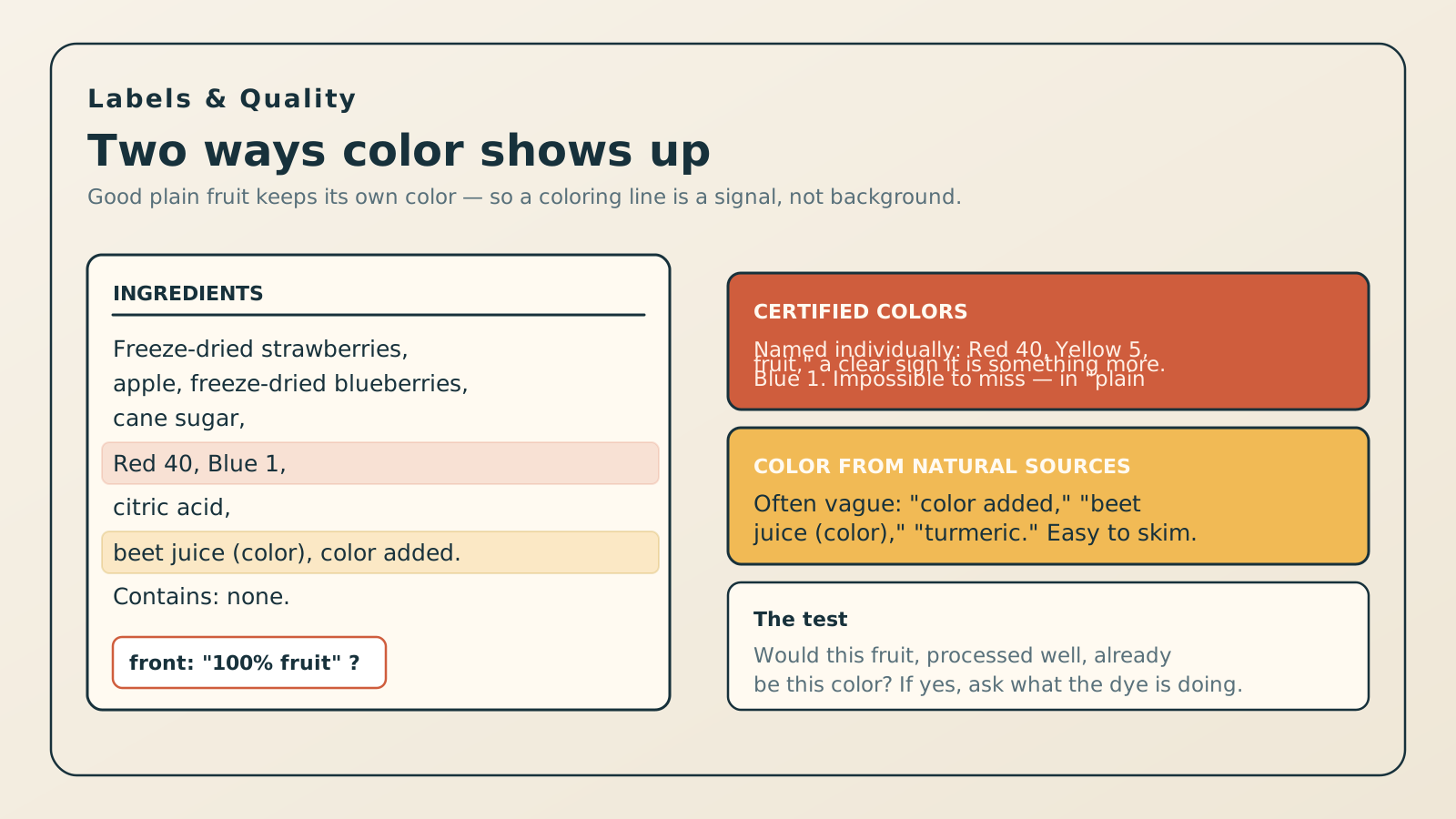
On a U.S. label, added color shows up in one of two broad ways. Certified color additives — the synthetic dyes — must be named individually, so you will see specific names like "Red 40" or "Blue 1." Colors from natural sources are treated differently and are not required to be named the same way; they commonly appear as "color added," "vegetable juice for color," or a named source such as "beet juice (color)" or "turmeric."
For plain freeze-dried fruit, the more important point is simply that a coloring agent is there at all. Straight, well-made freeze-dried fruit rarely needs one. So the declaration is a signal: sometimes benign, sometimes a flag that the product is a blend, a confection, or fruit that needed cosmetic help.
Why plain fruit usually needs none
Freeze-drying removes water without high heat, which is exactly why it preserves pigment so well. Anthocyanins in berries, carotenoids in mango and apricot, and the natural reds and purples of many fruits survive the cycle far better than they survive hot-air drying. A good supplier starting with good fruit gets vivid color for free.
That is the baseline against which to read any coloring declaration. If the color is intrinsic to the fruit and the process protects it, there is little reason to add more. The exceptions are real but specific, and knowing them helps you tell a fair use from a cosmetic one.
Ask whether this fruit, processed well, would already be this color. A freeze-dried strawberry that is naturally bright red has no obvious need for added red. If the color is there anyway, the question is what it is doing.
The two kinds of declaration
The wording on the label tells you which category of colorant you are looking at:
- Certified colors (synthetic dyes): named specifically, e.g. "Red 40," "Yellow 5," "Blue 1." These are unambiguous. In a product marketed as plain fruit, a named certified dye is a clear sign it is not just fruit.
- Colors from natural sources: often less specific. You may see "color added," "fruit and vegetable juice (color)," "beet juice," "turmeric," or "spirulina extract." These are still added colorings even though they come from food sources, and they are still worth noticing.
Neither category is automatically good or bad. But the first is impossible to miss, while the second is easy to skim past — which is exactly why it is worth slowing down on phrases like "color added" or a juice listed "for color."
When added color is legitimate
There are honest reasons to add color, and they cluster around blends and processed formats:
- Evening out a blend. A mixed-berry crisp or a melt made from several lots can vary in shade. A small amount of color can make the blend look consistent bag to bag.
- Restoring a shade lost in processing. Some purées and foamed sheets lose a little vibrancy, and a source-based color can bring a faded result back toward the fruit's natural tone.
- Confection and inclusion products. Yogurt-style melts, candy-adjacent crisps, and cereal inclusions are formulated products, not plain fruit, and color is a normal part of that formulation.
In these cases the color is doing legitimate cosmetic work, and the product is honestly something more than a bag of slices. The label should make that clear, and a careful reader will see it.
When added color is a flag
The concern is when color substitutes for quality. Faded, dull, or browned color usually points to oxidation, age, or lower-grade fruit. Added color can cover that cosmetically — the bag looks bright — but it does nothing for the aroma, flavor, or texture that were lost along with the original color. The product can photograph better than it eats.
The sharper flag is a contradiction on the label itself. A coloring agent sitting next to a "100% fruit," "just fruit," or "nothing added" claim is a genuine conflict. Both cannot be fully true. When you see that pairing, trust the ingredient list over the front-of-pack claim, and treat the headline as marketing that the fine print does not support.
Reading the coloring line in context
The coloring declaration is most useful read alongside the rest of the label rather than in isolation. A few habits help:
- Pair it with the claims. If the front says "100% fruit," the ingredient list should contain only fruit. An added color there is a contradiction, not a footnote.
- Pair it with sweeteners. Added color plus added sugar usually means a confection or crisp, not plain fruit — fine if that is what you want, useful to know if it is not.
- Pair it with the format. Color is far more expected in blends, melts, and inclusions than in single-fruit slices, so weigh the declaration against what kind of product you are holding.
None of this requires memorizing dye names. It requires noticing the coloring line, deciding which category it falls into, and asking whether a well-made version of this fruit would have needed it.
Bottom line
Good freeze-dried fruit keeps its own color, so a coloring declaration is a signal worth reading rather than skimming. Certified dyes are named individually; colors from natural sources often hide behind "color added" or a named source. Added color can be a fair way to even out a blend or restore a processed shade, but it can also mask oxidation or lower-grade fruit, and it directly contradicts a "100% fruit" claim. Read the coloring line next to the claims, the sweeteners, and the format, and let the ingredient list settle any conflict with the front of the pack.
Frequently Asked Questions
Does freeze-dried fruit normally contain added color?
Plain single-fruit freeze-dried products usually do not. Freeze-drying preserves color well when the fruit is good and the process is controlled, so straight slices or pieces rarely need it. Added color is more common in blends, sweetened crisps, and confection-style products.
How are added colors declared on a U.S. label?
Certified color additives must be named specifically, for example 'Red 40' or 'Blue 1.' Colors from natural sources are not required to be named the same way and often appear as 'color added,' 'fruit juice for color,' or a named source such as 'beet juice (color)' or 'turmeric.'
Is added color a sign of low quality?
Not by itself. Color can fairly even out a blend or restore a shade lost in processing. But because good plain fruit rarely needs it, the declaration is worth pausing on — especially if it sits next to claims like '100% fruit' or 'nothing added,' which it can contradict.
Can added color hide oxidation or aging?
It can. Faded or browned color often signals oxidation or lower-grade fruit, and added color can cosmetically cover that. The color does not restore the lost aroma or texture, so the label can look better than the product eats.
What should I check alongside the coloring line?
Read the full ingredient list, any sweeteners, and headline claims. A coloring agent next to '100% fruit' is a contradiction worth questioning, and a named certified color in a product sold as 'just fruit' tells you it is something else.
Primary sources & further reading
- Color Additives in Foods U.S. Food & Drug Administration Referenced for the distinction between certified color additives that must be named and colors exempt from certification, and for general labeling requirements.
- Food Labeling Guide U.S. Food & Drug Administration Referenced for how ingredients and color declarations are presented in the ingredient statement.
- Color Additive Status List U.S. Food & Drug Administration Referenced for which color additives are subject to certification and naming.
External links open in a new tab. We do not receive compensation from any organization listed; sources are referenced because they are primary, current, and publicly verifiable.