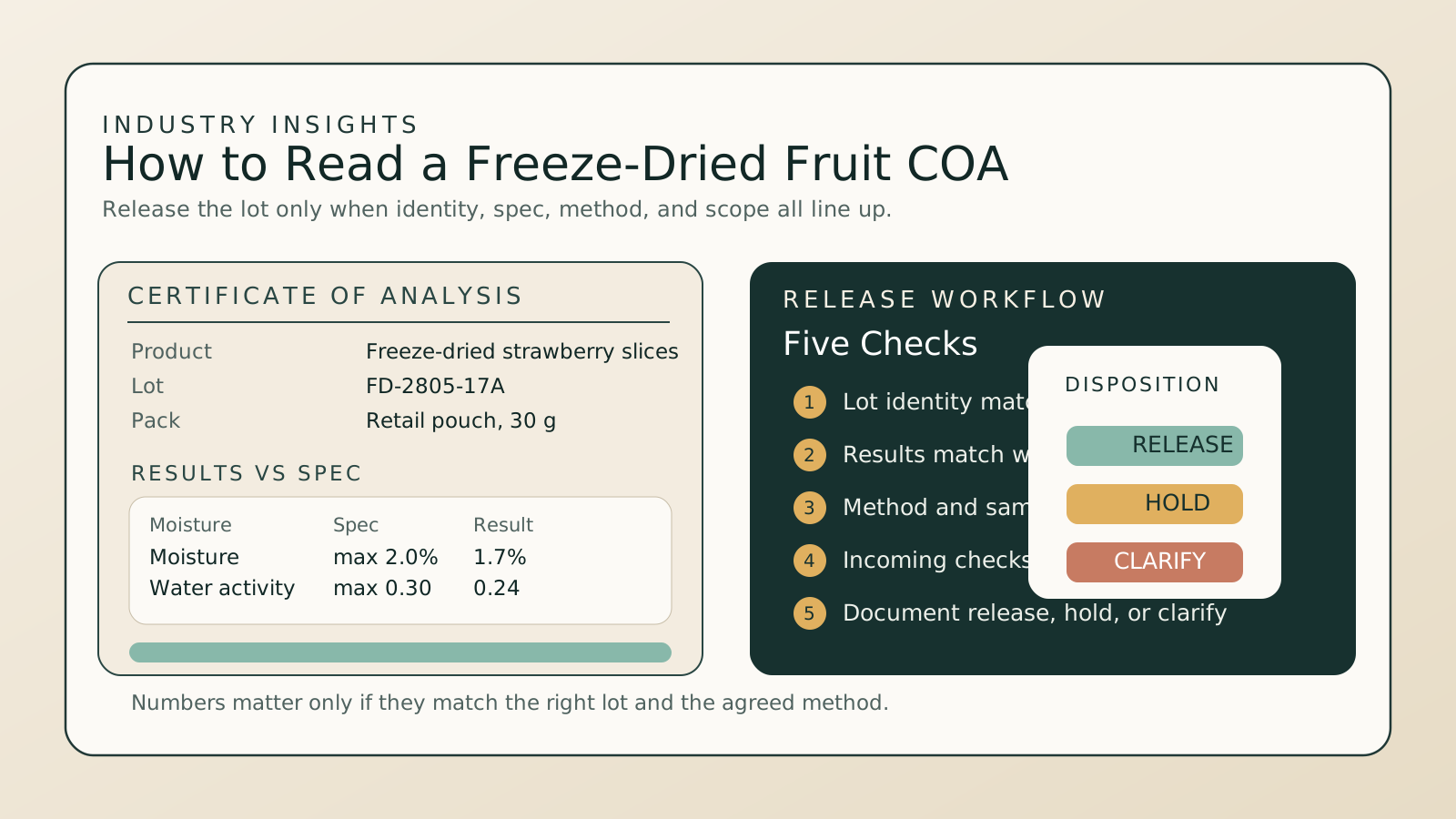
- A freeze-dried fruit COA should be matched to the approved specification, not read in isolation.
- Lot identity, sample method, and test method matter almost as much as the numeric result itself.
- Moisture, water activity, microbiological release, and physical-format checks should align with the actual use case of the fruit.
- The right commercial habit is hold, clarify, or recheck when the COA leaves gaps instead of approving the lot on confidence alone.
A Certificate of Analysis can make a lot look controlled even when the release decision is still under-documented.
That happens when the paper is treated like a symbol of quality instead of a tool for matching one specific lot to one specific specification.
The direct answer
To read a freeze-dried fruit COA properly, start with identity, compare every result to the written spec, check the method behind the number, and notice what the COA does not cover. The document is useful only when it supports a real release decision for the exact lot in front of you.
The wrong habit is asking, "Does this look official?" The right habit is asking, "Does this document actually justify release?"
Start with identity, not the numbers
Before looking at moisture or micro results, confirm that the COA matches the exact material you are about to release:
- product name
- item code
- lot number
- production date or ship date
- pack format
- supplier or plant identity if relevant
This sounds basic, but it is the first failure point in busy buying teams. A clean COA attached to the wrong lot is still a release mistake.
For freeze-dried fruit, identity matters especially when one supplier runs multiple piece sizes or both retail and ingredient packs from similar base fruit. A whole-piece snack lot and a bakery-fragment lot should not be drifting through the same paperwork language.
Read the COA against the spec, not by vibes
Many buyers skim a COA for low numbers and a few "pass" marks. That is not enough.
The practical question is whether the result meets the agreed release criteria for this SKU. Depending on the product, that may include:
- moisture
- water activity
- microbiological release
- piece size or breakage logic
- label or allergen conformity
- net weight or pack-count checks
USDA's commercial description for freeze-dried fruits is useful here because it treats characteristics such as moisture, defects, and net content as defined requirements, not loose impressions. That is the correct mindset even when you are not buying on a USDA template.
Method and sample context change the value of the number
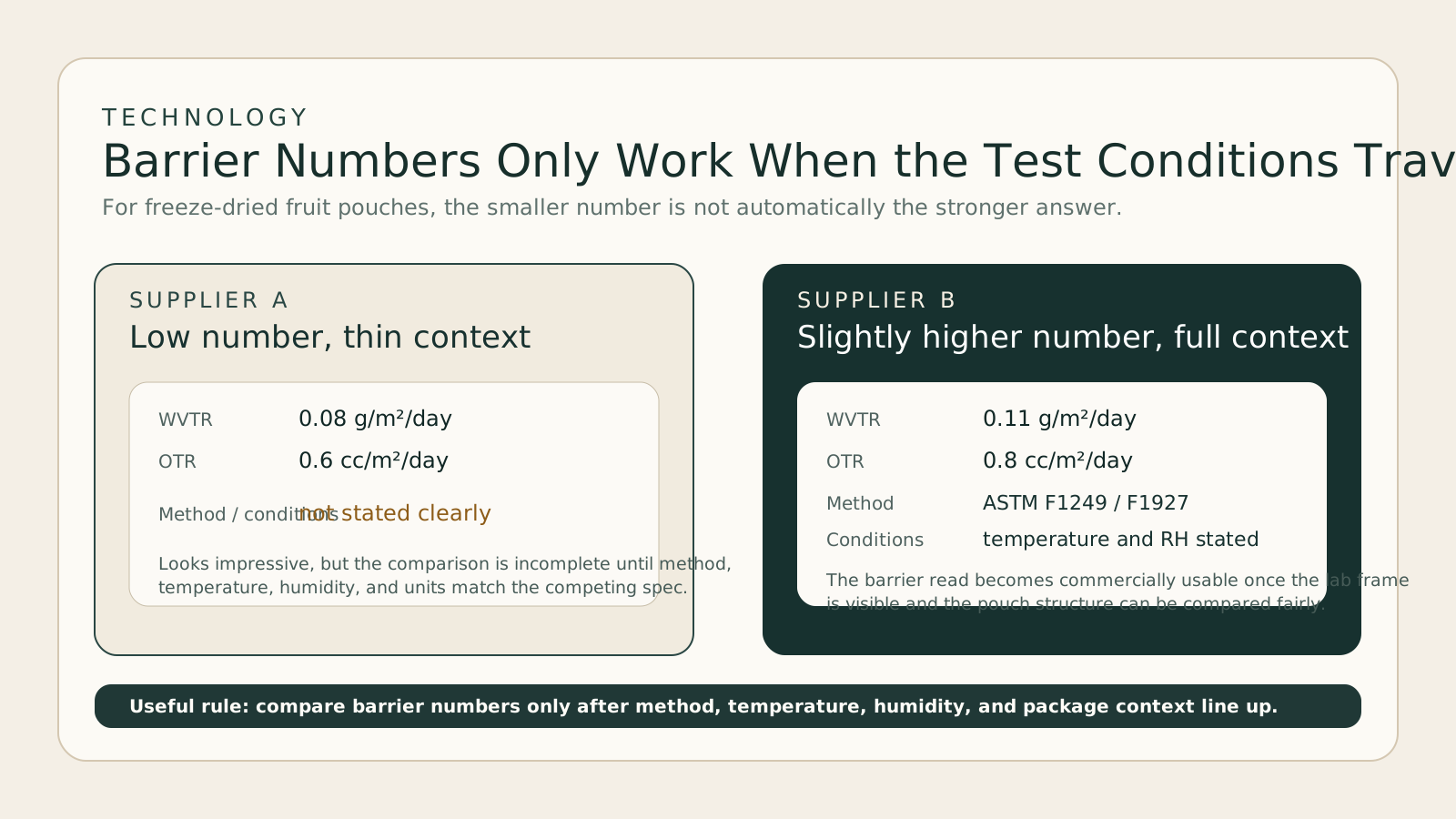
A COA number is only as informative as the method behind it.
That matters most when teams compare lots or suppliers. For example:
- a moisture percentage without method context can be hard to compare
- a micro result without sample timing can be misleading
- a breakage number without a sampling rule may reflect the prettiest pouch, not the lot
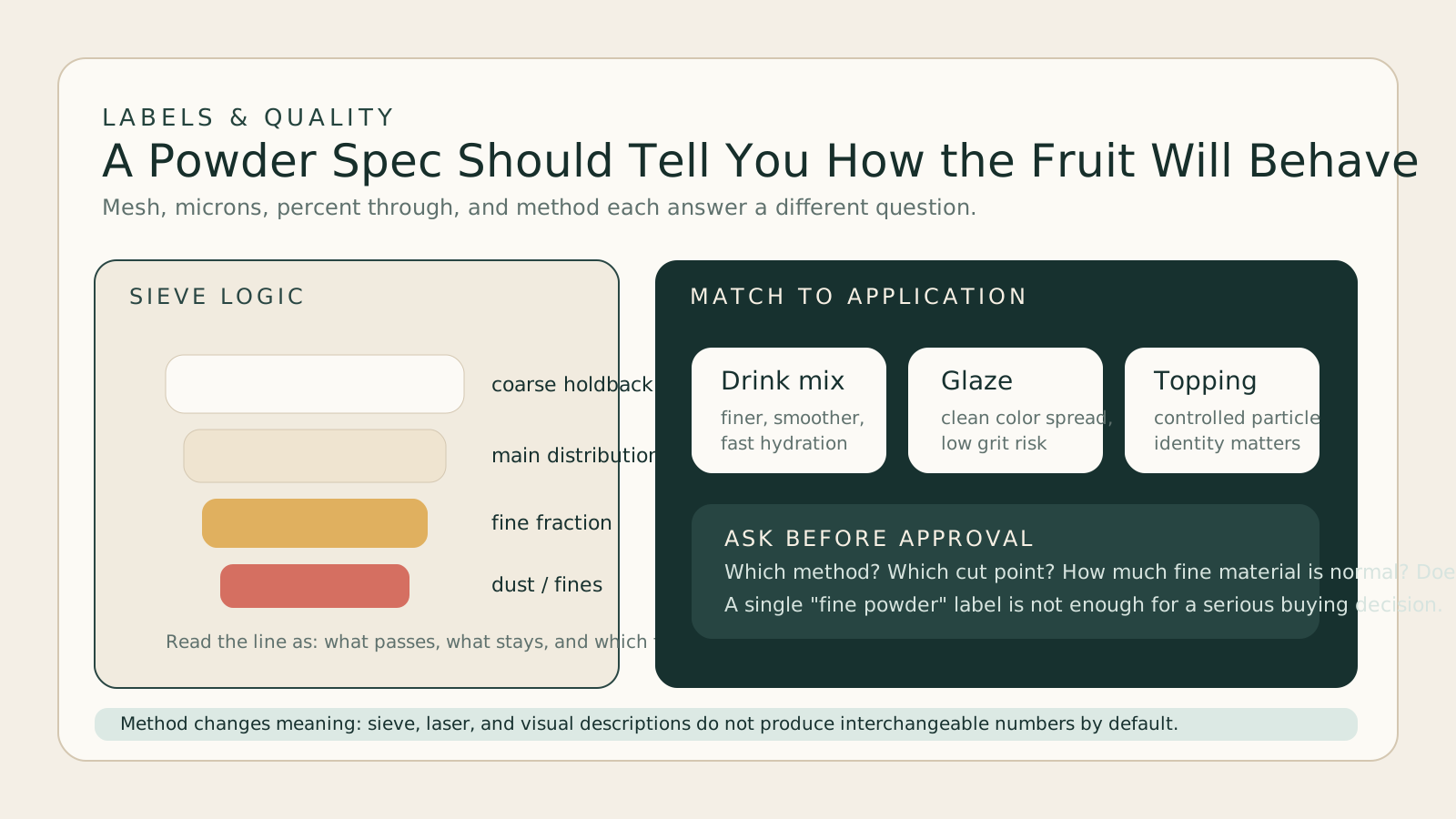
AOAC matters in this conversation because recognized analytical methods make external comparison more credible. That does not mean every COA must reproduce a lab notebook. It does mean the buyer should not pretend that method-free numbers are equally trustworthy.
If the result matters commercially, the buyer should know the acceptance range and have enough method context to explain what the number means.
The COA should match the actual use case
Freeze-dried fruit is sold into very different channels. A topping blend, a premium retail pouch, and a bulk ingredient lot may not need identical emphasis.
Examples:
- retail snack fruit may need tighter attention on breakage and visible fines
- ingredient fruit may care more about distribution and flavor consistency than whole-piece appearance
- export or humid-channel product may require stronger attention to moisture-control logic
That is why "standard COA" language can be too blunt on its own. The document should still align with the commercial job the product is meant to do.
A COA is not the whole lot-release decision
This is where disciplined teams separate themselves from optimistic teams.
A COA may not tell you enough about:
- post-transit breakage
- pouch seal performance
- zipper behavior
- sensory drift
- label print errors
- lot-code accuracy on the actual pack
Those gaps do not make the COA useless. They mean the COA has a scope. Incoming inspection, packaging checks, and sensory review may still be needed depending on risk and channel.
What a clean release decision looks like
A clean release process usually ends in one of three outcomes:
- release because the lot and documentation match the spec
- hold because a result is missing, borderline, or ambiguous
- clarify because the document needs method, identity, or sampling context
What matters is that the decision is documented. The buyer should be able to explain later why the lot moved or why it did not.
This is especially important when complaints or returns appear months later. A vague release habit is hard to defend and even harder to improve.
Questions worth asking when a COA arrives
Useful review questions include:
- Does this COA clearly belong to the delivered lot?
- Which results are release-critical for this SKU?
- Are the methods or lab references adequate for those critical results?
- Is there any result that sits inside the limit but still feels commercially risky?
- What is missing from the document that our own incoming check must cover?
Those questions turn the COA from a comfort object into a release tool.
Bottom line
A freeze-dried fruit COA is most useful when it ties one identifiable lot to one written specification with interpretable results. Identity, acceptance ranges, method context, and scope all matter.
Read the document as part of a release decision, not as proof that the lot must be fine simply because the paperwork looks professional.
Frequently Asked Questions
What should a freeze-dried fruit COA include?
At minimum it should identify the product and lot, show the tests being reported, state the results clearly, and tie those results to a specification or acceptance range. A useful COA also makes it possible to understand when the sample was taken and what method produced the number.
Is a COA enough to release a lot by itself?
Not always. The COA is part of the decision, but buyers still need to confirm that the lot matches the ordered specification, packaging format, labeling expectation, and any incoming sensory or physical checks required by their own program.
Why does the test method matter on a COA?
Because a moisture or microbiological result is only fully interpretable when you know how it was measured. A number without method context can create false comparability across suppliers or lots.
Which freeze-dried fruit results are usually most important?
That depends on the application, but moisture, water activity, microbiological release, breakage or size logic, and label or allergen conformity are common release priorities.
What should buyers do when a COA looks incomplete?
Pause the release decision, ask for clarification, and document the gap. It is safer to hold a lot briefly than to approve product that later turns out to be outside the agreed specification.
Primary sources & further reading
- FRUITS, FREEZE DRIED (A-A-20365) U.S. Department of Agriculture Agricultural Marketing Service Referenced for freeze-dried fruit commercial characteristics including moisture tolerance, defects, net weight, and verification structure.
- 21 CFR 117.80 - Processes and Controls Electronic Code of Federal Regulations Referenced for FDA's quality-control and manufacturing-process expectations that support documented release decisions.
- Official Methods of Analysis AOAC INTERNATIONAL Referenced for AOAC's role in publishing recognized analytical methods that buyers often expect behind moisture and related laboratory results.
- Guidance for Industry: Food Labeling Guide U.S. Food & Drug Administration Referenced for the label-framework expectations buyers may need to confirm when the lot is tied to a specific finished retail pack.
External links open in a new tab. We do not receive compensation from any organization listed; sources are referenced because they are primary, current, and publicly verifiable.