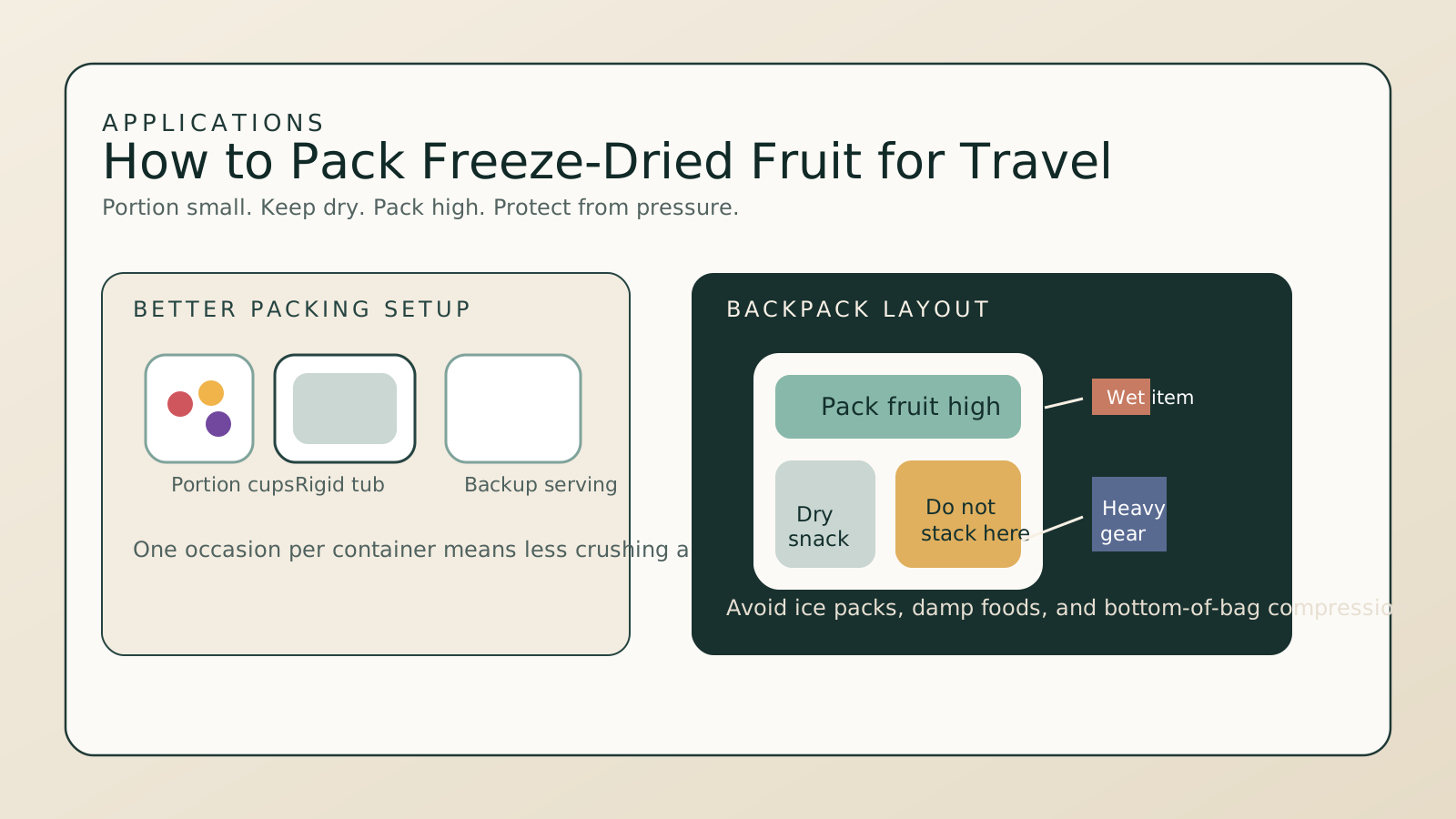
- Small portions travel better than one large half-empty bag because they reduce crush damage and repeated humidity exposure.
- A rigid snack cup or small hard-sided container usually protects fragile fruit better than a soft pouch dropped into a crowded bag.
- Keep freeze-dried fruit away from ice packs, damp foods, hot cars, and heavy compression.
- Pack the fruit for one eating occasion at a time instead of reopening the same container all day.
Freeze-dried fruit looks like an ideal travel snack because it is light, compact, and does not need refrigeration. That part is true.
The part people discover later is that a good pantry bag is not automatically a good travel pack.
The direct answer
To pack freeze-dried fruit for travel without crushing it, portion it small, use a container that matches the amount of rough handling the trip will create, keep it away from wet or cold items, and avoid reopening the same pack all day.
Travel damage usually comes from two things at once:
- compression
- moisture exposure
Protect both and the fruit usually arrives in much better shape.
Portion first, not at the gate
Large bags are efficient for home storage. They are clumsy for travel.
Once a big pouch is half empty, the fruit has more room to rattle, the bag is more likely to be reopened several times, and the remaining pieces tend to collect more breakage at the bottom.
The better routine is to portion one trip's worth before leaving:
- one serving for a flight
- one serving for a school day
- one serving for a road-stop snack
This protects the rest of the fruit and usually keeps the travel serving tidier too.
Choose the container based on how much abuse the bag will see
Not every trip needs the same level of protection.
For light handling, a small resealable pouch may be enough.
For backpacks, carry-ons, tote bags, or lunchboxes that get compressed, a rigid or semi-rigid container is usually better. Good options include:
- small hard-sided snack cups
- compact food-storage tubs
- divided bento sections with firm lids
The container does not need to look premium. It needs to stop the fruit from sitting under everything else you packed.
Keep it away from cold, sweaty, or wet items
Freeze-dried fruit and condensation are poor neighbors.
Travel often puts snacks next to:
- ice packs
- chilled water bottles
- cut fruit
- yogurt cups
- damp sandwich containers
Even when the freeze-dried fruit is technically sealed, those are not ideal conditions. Moisture-sensitive snacks do best when their immediate environment stays dry and stable.
If the trip includes cold food, isolate the freeze-dried fruit in a separate dry compartment when possible.
Protect the fruit from compression
This is the mistake that breaks more fruit than people expect.
A soft pouch dropped to the bottom of a crowded bag usually ends up under:
- a laptop
- a full water bottle
- shoes or chargers
- a lunch container
That is how whole pieces turn into bottom-of-bag powder before the snack break even starts.
The simple rule is to pack freeze-dried fruit high in the bag or in a structured side area, not at the bottom under dense items.
Compact fruits such as blueberry or small apple pieces usually travel better than delicate raspberries or thin brittle slices, but placement still matters more than variety when the bag is handled roughly.
Open late and finish early
Travel can stretch one snack occasion into several small openings. That is rarely good for freeze-dried fruit.
Every time the container opens, the fruit sees:
- new air
- new humidity
- new handling
If possible, open the pack when you are ready to eat and finish that portion in one sitting. That keeps the fruit from slowly softening between stops, gates, or errands.
Freeze-dried fruit does best when it is treated like a single-occasion crunchy snack, not like an open-all-day grazing bag.
Best travel setups by situation
For a short errand or commute:
- small resealable pouch
- only one serving
- top pocket, not bottom of the bag
For a school lunch or day trip:
- small rigid snack container
- separated from cold and wet foods
- portion sized to finish once opened
For flights or long road trips:
- two or three small portions instead of one large bag
- one easy-access serving, others left sealed
- keep backup servings away from heavy packed items
When the original bag is still fine
The original pouch is still useful when:
- it is already close to single-serve size
- the zipper seals well
- the bag will not be compressed
- the fruit inside is not especially fragile
The problem is not the pouch itself. The problem is asking a soft retail pack to behave like a protective travel case when the trip will be rough.
Bottom line
The best way to pack freeze-dried fruit for travel is to portion it small, protect it from compression, and keep it away from moisture-heavy neighbors. A rigid container often does more for real-world crunch than a larger pouch ever will.
If the fruit needs to survive a backpack, lunch tote, carry-on, or road-trip bin, pack for pressure and humidity first. Flavor comes through much better when the pieces arrive intact.
Frequently Asked Questions
What is the best way to pack freeze-dried fruit for travel?
Portion it into small sealed containers or sturdy single-use packs, then place those containers where they will not be crushed by water bottles, laptops, or heavy food items. Protection from compression matters as much as protection from air.
Is the original pouch good enough for a trip?
Sometimes, but not always. If the pouch is large, half-empty, or likely to be squeezed inside a backpack, a smaller rigid container is usually safer.
Why does freeze-dried fruit go soft on trips?
Usually because the pack was opened repeatedly, stored near condensation, or left in humid or hot conditions. Travel often adds more moisture exposure and more rough handling than a normal pantry shelf.
Should freeze-dried fruit be packed next to an ice pack?
No. Even if the fruit itself stays sealed, cold surfaces and condensation are not ideal neighbors for a moisture-sensitive snack.
Which fruits are hardest to travel with?
Very fragile berries, thin slices, and powder-heavy bags are usually the least travel-friendly. Compact pieces such as blueberry or small apple pieces often arrive in better shape.