- Use quick or rolled oats that hydrate in hot water, and keep the dry mix shelf-stable so the cups can be built well ahead of time.
- Add freeze-dried fruit to the dry mix, but expect it to soften fully; for texture, hold a small portion of fruit back to sprinkle on after the water goes in.
- Balance the build with milk powder or a spoon of nut butter so the fruit's concentrated acidity and flavor do not overwhelm the bowl.
- Keep cups dry and sealed; the oats and freeze-dried fruit share the same enemy, which is ambient humidity.
The make-ahead oatmeal cup is one of the most practical uses for freeze-dried fruit, and one of the least talked about. The idea is simple: build a batch of single-serving jars or cups with everything already inside, keep them on a shelf at the office or in a travel bag, and turn one into breakfast with nothing but hot water. The hard part has always been the fruit. Fresh fruit cannot live in a shelf-stable cup. Chewy dried fruit never softens in time. Freeze-dried fruit solves both problems, which is why it belongs in this format more than almost any other pantry fruit.
Why freeze-dried fruit fits this format
An instant oatmeal cup has one strict requirement: every ingredient has to be shelf-stable and dry, because the cup might sit for weeks before anyone adds water. Freeze-dried fruit meets that requirement the same way the oats do. It is fully dry, it stores at room temperature, and it shares the oats' tolerances rather than fighting them.
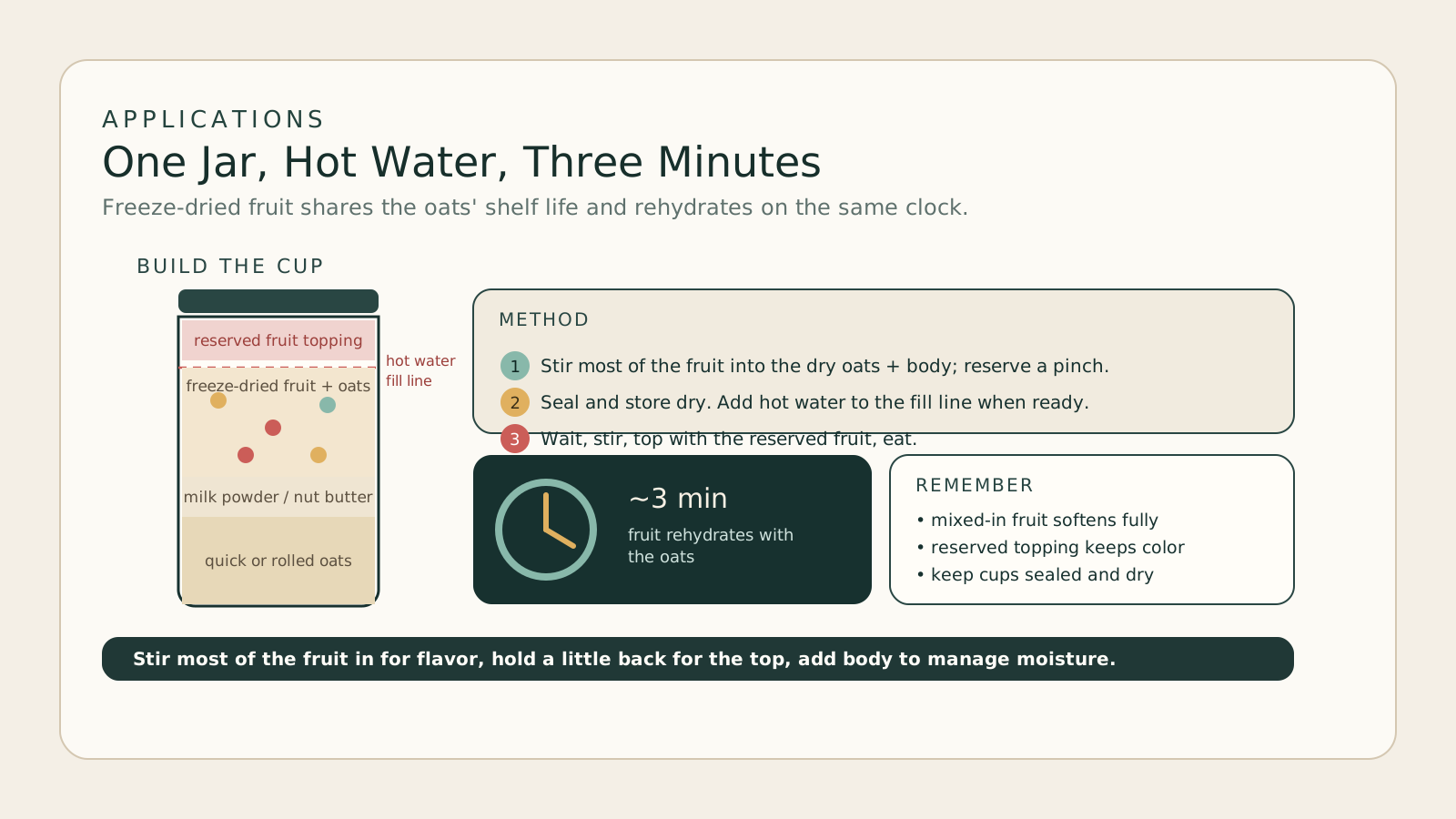
It also rehydrates on the right timescale. Pour hot water over the cup and the fruit pulls moisture back in over the same couple of minutes the oats need to soften. Chewy dried fruit, by contrast, is still leathery after three minutes because its denser structure rehydrates slowly. Freeze-dried fruit's open, porous structure is what lets it catch up with the oats instead of lagging behind them.
Choosing the oats
The oats decide the timing. Quick oats hydrate in hot water in a couple of minutes and give a softer, more uniform bowl, which is the easiest match for a no-cook cup. Old-fashioned rolled oats also work but want a slightly longer soak and a little more heat, so they suit a cup you can cover and leave for five minutes. Steel-cut oats do not belong here; they need real cooking and will stay hard.
Whichever you choose, the principle is the same: pick an oat that finishes in roughly the time the fruit takes to rehydrate, so the two arrive together.
Building the cup
Think of the cup in layers, even though most of it gets stirred at the end.
Base: about half a cup of quick or rolled oats. Body: a spoon of milk powder or nut butter for richness. Fruit: two to three tablespoons of freeze-dried fruit stirred into the mix. Topping: a small reserved pinch of freeze-dried fruit kept separate to add after the water. Optional: a little salt, and sweetness or spice to taste.
The base and body go in first. Then stir most of the freeze-dried fruit directly into the dry mix — this fruit is meant to soften and flavor the whole bowl. Set aside a small amount of fruit in a twist of paper or a tiny separate compartment. That reserved portion is what gives you color and a bit of texture on top at the end, since anything mixed in before the water will soften completely.
Texture: what softens and what to hold back
This is the one expectation to set clearly. Freeze-dried fruit stirred into the mix before hot water hits it will rehydrate fully and go soft. In oatmeal that is usually the goal — you want the strawberry or mango to melt into the bowl and flavor it throughout.
If you also want a little brightness and bite, the reserved topping is the trick. Add it after the water, right before eating, and eat within a minute or two while it still has some structure and vivid color. Heartier pieces like banana coins or apple hold their shape a touch longer than delicate raspberries, so they make slightly more durable toppings.
Balancing flavor and acidity
Freeze-dried fruit takes up hot water as it rehydrates, while its flavor, acidity, and sweetness remain concentrated. Those factors can throw a bowl off if you ignore them.
Too much fruit relative to oats can make the bowl intensely flavored or tart, especially with raspberry, cherry, or passion fruit. The fix is the body layer. A spoon of milk powder or nut butter adds richness and rounds out the acidity. Start conservative on fruit quantity and build up once you know how a given fruit behaves.
Keeping the cups good
A built cup is only as good as its seal. The oats and the freeze-dried fruit have the same weakness — ambient humidity — and a cup left open or stored somewhere damp will go stale and lose its crunch on the fruit long before any date on the package matters.
Use jars or cups with tight lids, keep them on a cool, dry shelf, and resist building so far ahead that they sit open or half-sealed. If you are assembling a big batch, fill and close them one at a time rather than leaving everything exposed on the counter while you work. The single most useful habit is treating the sealed, dry state as the thing you are protecting.
The takeaway
Freeze-dried fruit turns instant oatmeal cups from a bland convenience into something that actually tastes of fruit. It shares the oats' shelf life and humidity sensitivity, rehydrates on the same clock, and delivers concentrated flavor from a small amount. Stir most of it in to flavor the bowl, hold a little back for color and texture on top, add a spoon of body to manage the moisture it releases, and keep every cup sealed and dry. That is the whole method.
Frequently Asked Questions
Why use freeze-dried fruit instead of fresh or dried fruit in oatmeal cups?
Fresh fruit cannot sit in a shelf-stable cup, and chewy dried fruit stays leathery in three minutes of hot water. Freeze-dried fruit is shelf-stable like the oats and rehydrates quickly in the same water, so it behaves like a proper part of an instant build.
Will the fruit stay crunchy?
Anything stirred into the mix before the water goes in will fully soften, which is usually what you want in oatmeal. If you like a bit of texture and bright color on top, hold back a small portion and add it after the water, then eat within a minute or two.
How much fruit should I add per cup?
Start with roughly two to three tablespoons of freeze-dried pieces per single serving of oats and adjust to taste. Because the fruit is concentrated, a little carries a lot of flavor, and too much can make the bowl tart or watery as it releases moisture.
Do I need milk powder?
No, but a spoon of dairy or plant milk powder, or a spoonful of nut butter, gives the bowl body and rounds out tart fruits like raspberry or cherry. Freeze-dried fruit absorbs the hot water used to rehydrate it; it does not release its own water into the bowl.
How long do the cups keep?
Use the shortest best-by or storage guidance among the ingredients, and keep the dry cup sealed and dry. Both oats and freeze-dried fruit can take up humidity, so a tight lid and a cool, dry shelf help preserve quality.
Primary sources & further reading
- Water Activity (aw) in Foods U.S. Food & Drug Administration Explains why water activity and surrounding humidity affect the stability of dry foods during storage.
- How Long Can You Store Boxed Dated Foods? USDA Food Safety and Inspection Service Provides current storage guidance for unopened and opened oatmeal and other boxed dry foods.
- Freeze Drying of Foods — Engineering Principles Journal of Food Science Peer-reviewed overview of freeze-dried foods' porous structure and rehydration behavior.
External links open in a new tab. We do not receive compensation from any organization listed; sources are referenced because they are primary, current, and publicly verifiable.