- Crush inside a sealed bag or jar, not on an open board, so the fines stay contained instead of scattering across the counter.
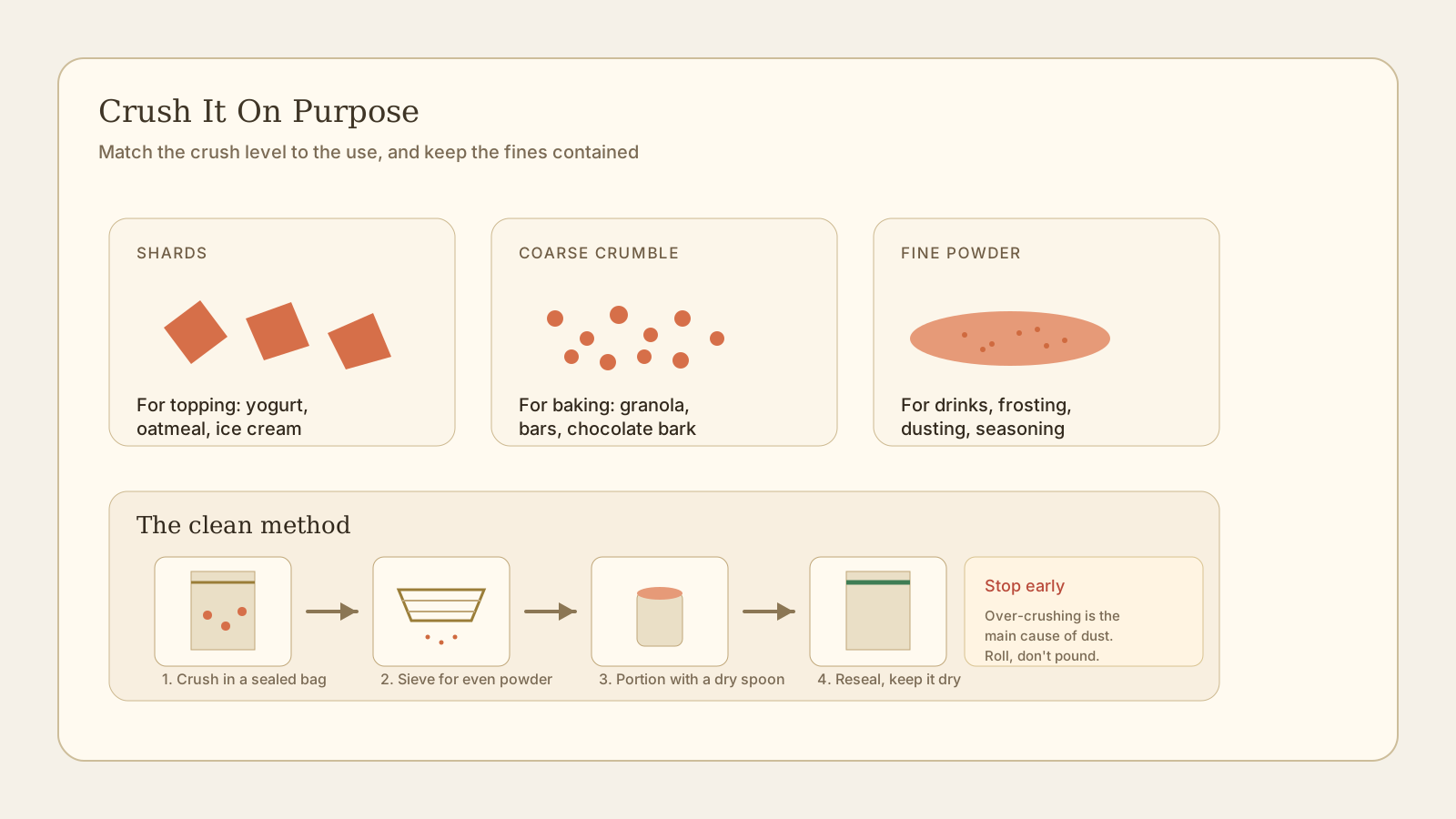
- Match the crush level to the use: big shards for topping, coarse crumble for baking, fine powder for drinks and dusting.
- Work in short pulses or gentle presses; freeze-dried fruit goes from whole to powder fast, and over-crushing is the main cause of dust.
- Reseal quickly and keep the fruit away from humid air, because crushed pieces and powder pick up moisture and clump faster than whole pieces.
Freeze-dried fruit has one quirk that catches almost everyone the first time: it is built to be fragile. The same airy, porous structure that makes a freeze-dried strawberry dissolve on your tongue also makes it explode into pink dust the instant you press it the wrong way. Crush it carelessly and you end up with fines on the counter, in the drawer, and somehow on your shirt, but not in the bowl.
The fix is not force or special equipment. It is a handful of small habits that keep the fruit contained and let you choose the texture instead of fighting it.
The direct answer
Crush freeze-dried fruit inside a closed container, match the crush level to what you are making, and stop early. Almost every mess comes from doing the opposite: breaking it in the open, squeezing too hard, and leaving it exposed afterward.
Three decisions cover most situations:
- Where you crush it (sealed bag or jar, not an open board).
- How far you take it (shards, crumble, or powder).
- What you do after (reseal fast, keep it dry).
Get those right and the counter stays clean.
Choose your crush level first
Different uses want different textures, and deciding before you start saves you from overshooting.
- Big shards and broken pieces are for topping yogurt, oatmeal, ice cream, and cereal, where you want visible fruit and a bit of crunch. This is the lightest crush, often just snapping pieces by hand.
- Coarse crumble is for baking and folding into batters, granola, energy bites, and chocolate bark, where you want the flavor distributed but still some texture. Think the size of coarse sugar or small gravel.
- Fine powder is for drinks, frostings, whipped cream, dusting desserts, and seasoning, where you want color and flavor with no texture at all. This is the most crushed and the messiest if done in the open.
Knowing the target first tells you how much pressure to use and when to stop, which is the single biggest factor in avoiding dust.
The bag method: the cleanest default
For most home use, a sturdy resealable bag is the best tool you already own.
- Add the fruit to the bag, leaving room.
- Press out as much air as you can, then seal it.
- Press, roll, or gently tap from the outside with your hands or a rolling pin.
- Check the texture through the bag and stop when it looks right.
Pressing the air out matters more than it seems. A bag full of trapped air is a balloon waiting to burst at the seam and spray powder everywhere. A flat, sealed bag keeps everything inside and lets you feel the pieces break under your hands.
A wide-mouth jar with a lid works the same way for small amounts, especially if you want shards: a few gentle shakes and light presses, and you can pour out exactly what you need.
A rolling pin pressed and rolled across a flat bag gives you far more control than hammering. Pounding sends pieces straight past crumble to powder and stresses the seal. Steady pressure lets you stop at the texture you actually want.
Getting an even powder with a sieve
If you want true powder, crushing alone usually leaves you with a mix of fine dust and stubborn chunks. The answer is to sieve.
- Crush coarsely in the bag first.
- Tip the result into a fine-mesh sieve held over a bowl.
- Tap the side; the powder falls through and the larger pieces stay behind.
- Return the leftover pieces to the bag, crush again, and repeat.
Sieving is what separates a clean, uniform powder from a patchy one. It also rescues the pieces that would otherwise tempt you to over-crush the whole batch chasing the last few chunks.
A blender or food processor also makes powder, but use short pulses rather than running it continuously. A few bursts is usually enough, and stopping early avoids the cloud of ultra-fine dust that puffs up the moment you lift the lid. Let it settle for a few seconds before opening.
Portioning without spilling
Once it is crushed, the goal is to move it where it needs to go without scattering it.
- Pour from a bag with a corner snipped, or funnel powder into a small jar for repeated use.
- Use a dry spoon every time; a damp spoon turns powder into paste and clumps the rest of the batch.
- Portion over the bowl or batter you are adding it to, so any stray pieces land in the right place.
- For toppings, crush a little more than you need and keep the extra sealed rather than crushing repeatedly.
Small, dry tools and working directly over the target are unglamorous but they are what keep the process tidy.
Keep it dry or it clumps
Crushed fruit and powder behave differently from whole pieces in one important way: they have far more exposed surface, so they pick up moisture from the air faster. That is why an open bag of strawberry powder can go from loose to clumpy within a day in a humid kitchen.
To keep crushed fruit usable:
- Reseal promptly and press out excess air.
- Store somewhere cool and dry, away from the stove and sink.
- Crush close to when you will use it when you can, rather than far ahead.
- If powder clumps, it usually still tastes fine; break the clumps with a dry spoon or re-sift.
None of this requires special storage. It is mostly about not leaving crushed fruit open to humid air longer than necessary.
Bottom line
Freeze-dried fruit makes a mess only when you let it break in the open, crush it harder than the job needs, and leave it exposed afterward. Decide on shards, crumble, or powder first; crush inside a sealed bag or jar with steady pressure; sieve when you want an even powder; and reseal quickly to keep it dry.
Done that way, the fragility that scatters dust everywhere becomes the same fragility that gives you exactly the texture you want, right where you want it.
Frequently Asked Questions
What is the cleanest way to crush freeze-dried fruit?
Put it in a sturdy resealable bag, press out the air, seal it, and press or roll from the outside. The bag contains the fines and lets you feel the texture as it breaks, so you can stop before it turns entirely to powder.
How do I get an even powder instead of a mix of chunks and dust?
Crush coarsely first, then sift through a fine sieve. The powder falls through and the larger pieces stay behind to be crushed again. Sieving is what gives you a uniform powder rather than a patchy one.
Why does freeze-dried fruit turn to dust so easily?
Freeze-drying leaves a porous, brittle structure with very little moisture, so the pieces are designed to snap under light pressure. That is great for melt-in-the-mouth texture but means a hard squeeze overshoots straight to powder.
Can I use a blender or food processor?
Yes, for powder, but pulse in short bursts rather than running it continuously. A few quick pulses usually gets you there; over-processing makes ultra-fine dust that clumps and floats up when you open the lid.
How do I keep crushed fruit or powder from clumping?
Keep it dry and sealed. Crushed pieces and powder have more exposed surface than whole pieces, so they absorb moisture from the air faster. Reseal promptly, press out excess air, and store somewhere cool and dry.