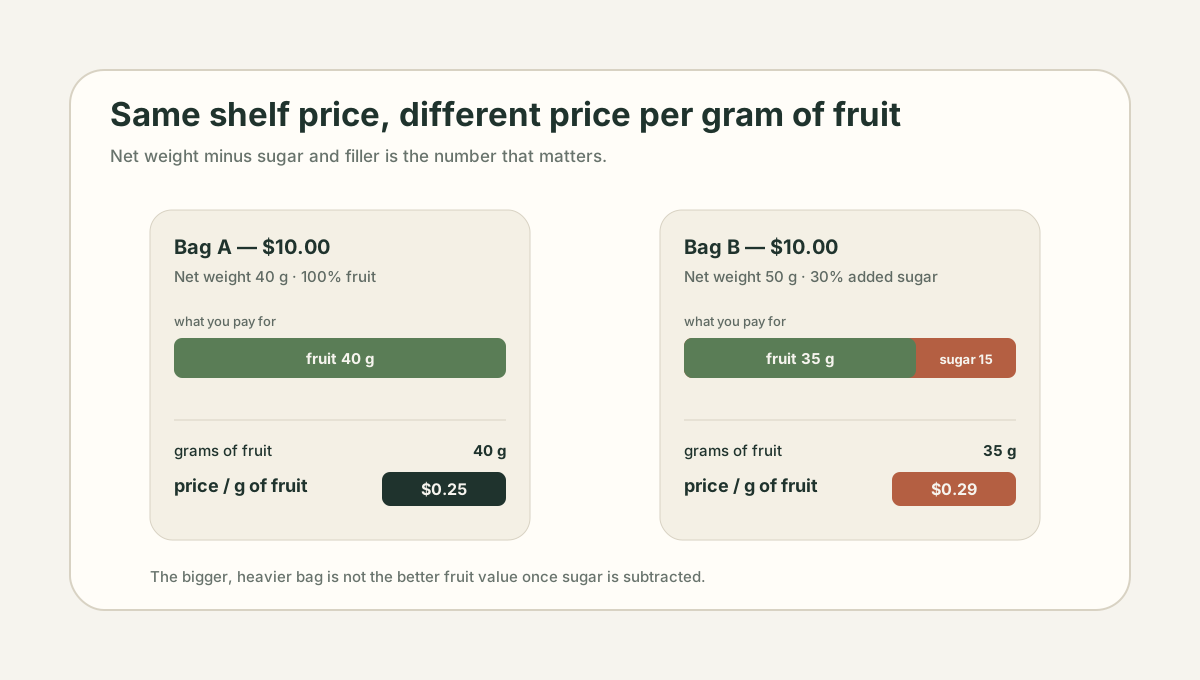
- Shelf price compares packages, not fruit; bags at the same price can differ widely in net weight and in how much of that weight is actual fruit.
- Use net weight, not bag size or 'servings,' as the starting point, since freeze-dried fruit is light and a big pouch can hold very little.
- Check the ingredient list: added sugar, coatings, or fillers mean part of the weight you are paying for is not fruit.
- Divide price by grams of fruit to get a comparable unit cost, and remember that a higher per-gram price can still be better value if quality and yield are higher.
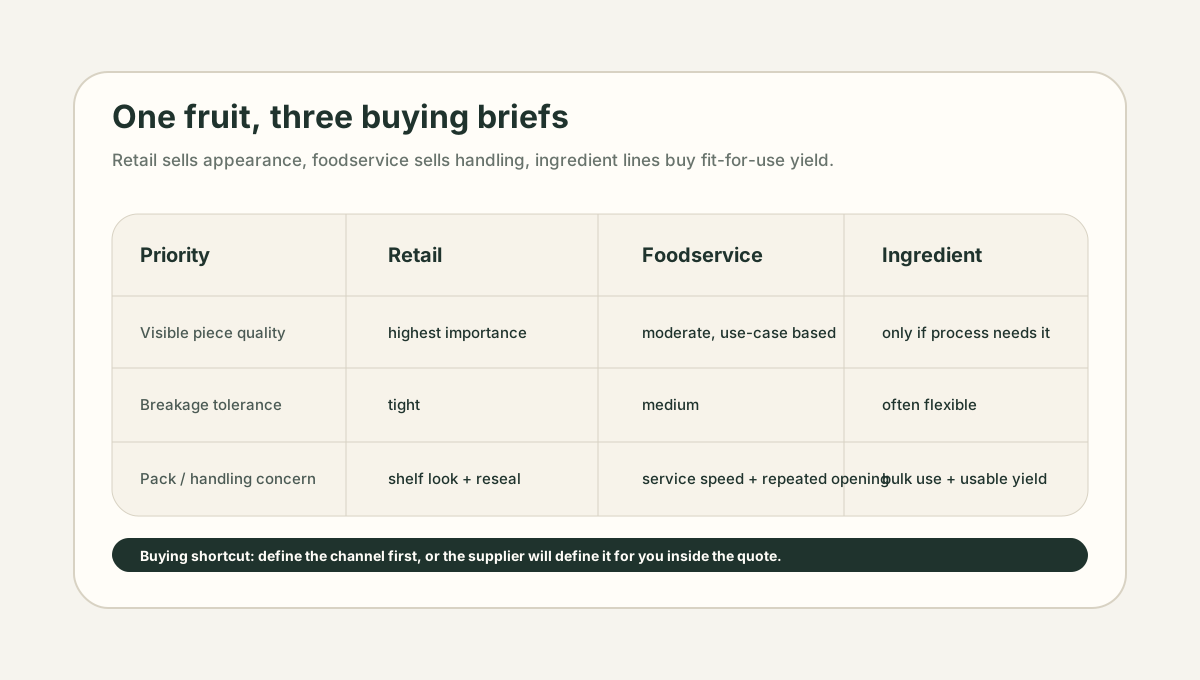
Stand in front of a shelf of freeze-dried fruit and the prices look straightforward: this bag is eight dollars, that one is ten. But those numbers are attached to packages, and packages are not standardized. One bag might hold twice the fruit of another at a similar price, or it might be padded with sugar and air. The only way to see through that is to convert everything to one figure: price per gram of actual fruit.
This is not about chasing the lowest number. It is about comparing like with like before you decide what quality is worth paying for. The label gives you everything you need to do it.
The direct answer
To compare freeze-dried fruit on value, divide the price by the grams of actual fruit in the package, not by the package itself. Start from net weight, subtract the portion that is sugar, coating, or filler using the ingredient list, and price the fruit that remains. Only then are two bags genuinely comparable, and only then can you judge whether a higher per-gram price is buying better quality.
The shelf price answers "what does this package cost." Price per gram of fruit answers "what does the fruit cost," which is the question that actually matters.
Step one: start from net weight, not bag size
Freeze-dried fruit is extremely light because most of the water is gone. That means a large, full-looking pouch can contain a surprisingly small net weight. The puffed-up bag is partly product and partly the air and barrier space needed to protect fragile pieces.
So ignore how big the bag looks and find the net weight, printed in grams or ounces on the front or information panel. That is the weight of the contents. Bag dimensions and "fills your hand" impressions are marketing surface area, not fruit.
A bigger pouch is not more fruit. Net weight is the honest starting number; package volume is not.
Step two: be careful with "servings"
Many bags lead with a serving count, and it is tempting to compare on price per serving. Resist it. Serving size is chosen by the brand and is not consistent between products. One company can call a portion ten grams and another fifteen, and the same bag will then show a different number of "servings" without holding any more fruit.
Servings are useful for nutrition context, not for value comparison. Convert to weight and the brand's framing falls away.
Step three: subtract what is not fruit
Net weight is the right denominator only if the whole package is fruit. Often it is not. Check the ingredient list, because order reflects weight, with the largest ingredient first.
- 100 percent fruit. If the only ingredient is the fruit, the full net weight counts.
- Added sugar or sweetened crisps. If sugar appears in the list, part of the weight you are paying for is sweetener. Use the added-sugar figure on the Nutrition Facts panel to estimate the non-fruit portion.
- Coatings, oils, or anti-caking agents. These add weight too. They may be small, but on a tight comparison they matter.
A sweetened fruit crisp and a plain freeze-dried fruit are both legitimate products, but they are not the same thing per gram of fruit. Comparing their shelf prices directly rewards the one with more sugar, which is the opposite of what a fruit shopper usually wants.
Step four: do the division
Once you have grams of actual fruit, the math is simple:
- price ÷ grams of fruit = price per gram of fruit
Convert both candidates the same way and the comparison becomes real. A bag that looked cheaper on the shelf can turn out more expensive per gram of fruit once you account for a smaller net weight or a load of added sugar. The reverse happens too: a higher sticker price can be the better fruit value.
Doing this once or twice on your usual products is enough to recalibrate your eye, so you stop trusting the shelf price as a stand-in for value.
Step five: let quality break the tie
Price per gram of fruit is the comparison, not the conclusion. Two products at the same per-gram cost can still differ in ways that matter:
- Color and oxidation. Faded or browned pieces suggest age or process issues.
- Breakage and fines. A bag that is mostly crumbs delivers less usable fruit even at the same weight.
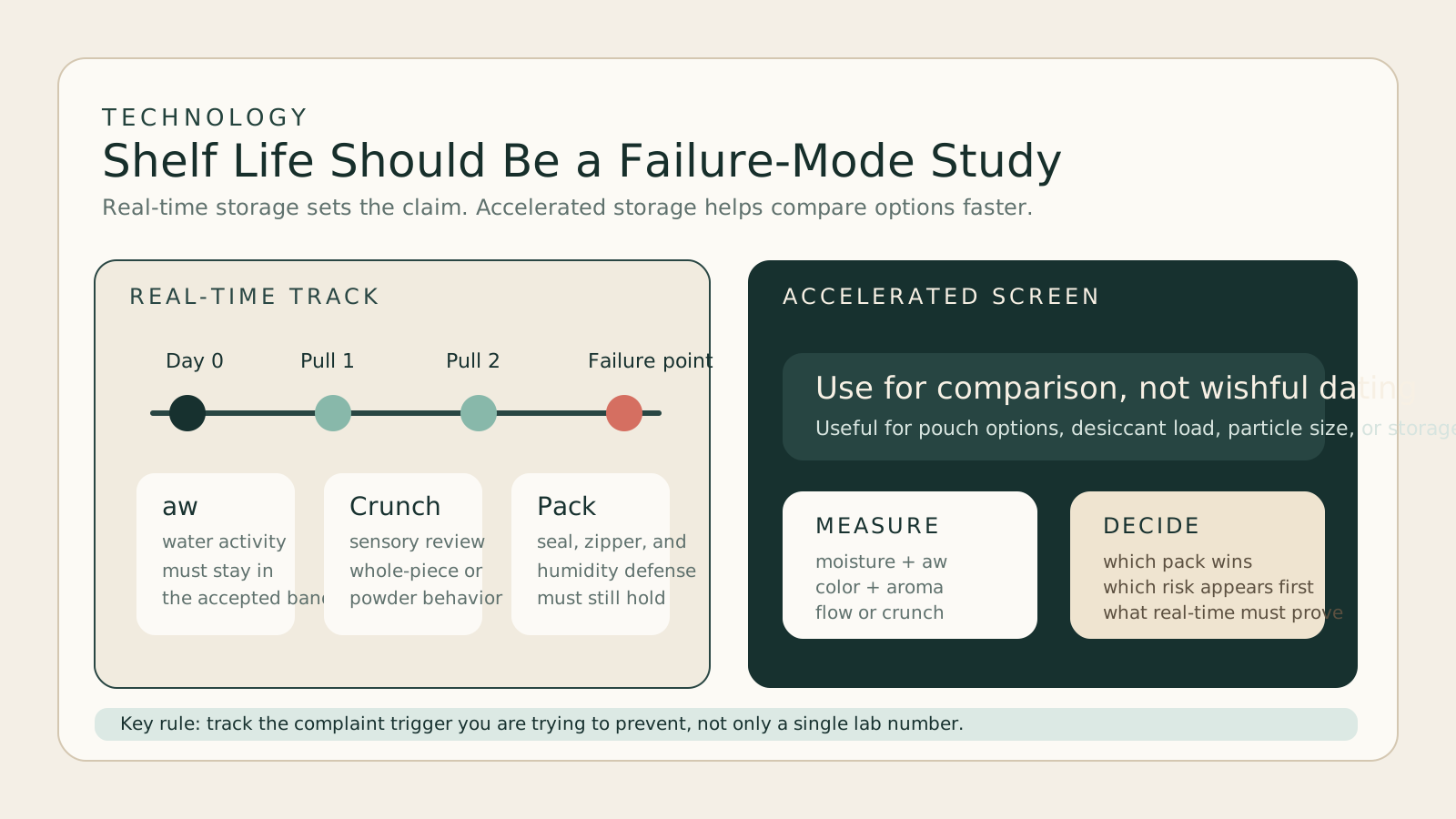
- Moisture and crunch. Pieces that have picked up moisture lose the texture you are paying for.
- Piece format. Whole or large pieces are worth more for some uses; powder or small bits for others.
A product can justify a higher per-gram price if it brings better color, lower breakage, tighter moisture, or a more useful format. The point of the per-gram figure is to make that a deliberate quality choice rather than an accident of package sizing.
Why this beats trusting the shelf price
Shelf prices invite two predictable mistakes: assuming a bigger bag is a better deal, and assuming a cheaper bag is cheaper fruit. Both fail because packages are not standardized and not all of the weight is fruit. Price per gram of actual fruit neutralizes both. It turns a wall of incomparable packages into a single scale, and it isolates value from packaging tricks so you can pay a premium on purpose, for quality, rather than by mistake, for air and sugar.
The practical takeaway
Compare freeze-dried fruit by price per gram of actual fruit, not by the number on the shelf. Take net weight as your base, ignore brand-chosen serving counts, use the ingredient list and added-sugar figure to subtract anything that is not fruit, then divide price by the fruit that remains. Treat the result as a fair starting line, and let real quality signals, color, breakage, moisture, and format, decide when a higher per-gram price is worth it.
Frequently Asked Questions
Why is price per gram better than the shelf price?
Because the shelf price is attached to a package, not to a fixed amount of fruit. Bags vary in net weight and in how much of that weight is fruit versus sugar or coatings. Price per gram of actual fruit puts different bags on one scale you can compare.
Where do I find the weight to use?
Use the net weight printed on the front or information panel, usually in grams or ounces. Do not use bag dimensions or the number of servings, since serving counts are chosen by the brand and freeze-dried fruit is very light for its volume.
How does added sugar change the math?
If a product is partly sugar, coating, or filler, some of the net weight is not fruit. To compare fairly with a 100 percent fruit product, estimate the fruit portion using the ingredient order and any added-sugar figure, then price that portion.
Is the cheapest price per gram always the best buy?
No. Price per gram is the starting comparison, not the final verdict. A product with better color, lower breakage, tighter moisture, or a more useful piece format can be worth a higher per-gram price. Use the number to compare like with like, then weigh quality on top.
Does freeze-dried fruit being lightweight matter for value?
Yes. Because water is removed, a given weight of freeze-dried fruit fills a large bag. A pouch can look generous and still hold only a small net weight, so judging value by package size badly overstates how much fruit you are getting.