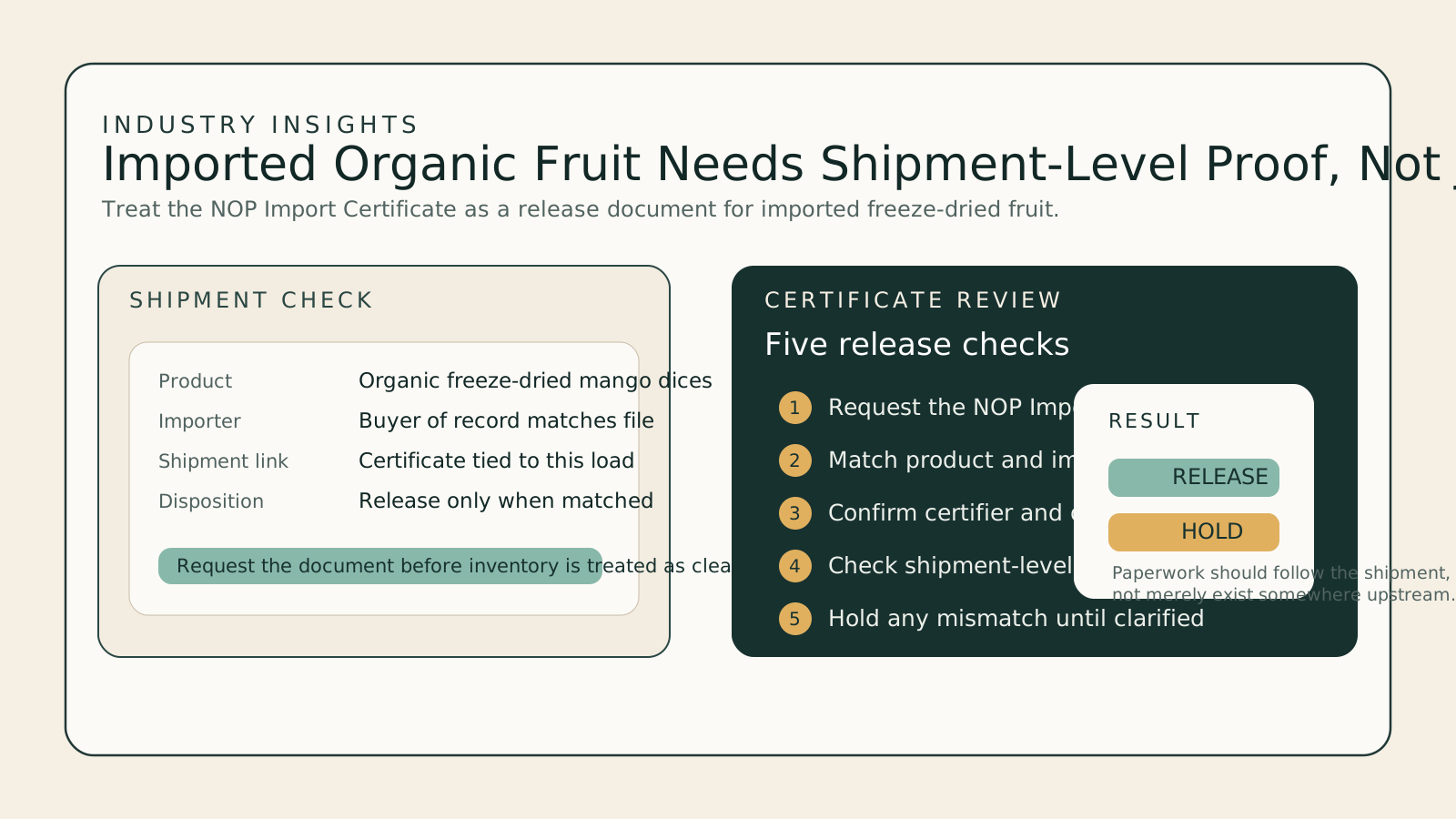
- For imported organic freeze-dried fruit entering the U.S., the shipment should be associated with a valid NOP Import Certificate.
- The practical verification job is matching the certificate details to the product, importer, certifier, and shipment being received.
- Buyers should request the certificate from the supplier or broker because certificate data is not broadly visible to the public.
- A missing or mismatched certificate is a hold-and-clarify issue, not something to wave through because the product already carries organic branding.
Imported organic freeze-dried fruit should move through receiving with more discipline than, "The supplier says it is organic."
That answer may have been commercially common in the past. It is not a strong receiving habit now.
The direct answer
To check an organic import certificate for freeze-dried fruit, request the NOP Import Certificate before release, match it to the exact product and importer, confirm the certification chain and product scope, and hold the shipment if the paperwork does not line up cleanly.
The useful mindset is simple: treat the certificate as shipment-control evidence, not as decorative backup for the organic seal.
Start by requesting the certificate early
One of the easiest receiving mistakes is assuming the document will appear somewhere later in the import file.
USDA's current organic-import framework is built around shipment association. That means the buyer should not wait until after the product has already been put away, relabeled, or allocated to production.
Ask for the certificate while the shipment is still in the release window:
- from the supplier
- from the importer of record
- from the customs broker
- or through the certifier workflow supporting the transaction
That timing matters because a certificate problem is much easier to solve before the inventory is treated as cleared organic stock.
Match identity before reading organic language
The first read is not, "Does the certificate say organic?" The first read is identity.
Check whether the certificate matches:
- the product being received
- the importing entity
- the shipment context
- the organic claim under which the fruit will be sold or used
For freeze-dried fruit, that can get more important than it sounds. A supplier may run multiple SKUs with similar names: strawberry slices, strawberry pieces, strawberry powder, retail pouches, bulk liners, private-label versions, or mixed-fruit organic assortments. Clean paperwork on the wrong product is still weak control.
Confirm the certification chain, not just the label
Imported organic product needs more than good front-panel branding. Buyers should confirm that the certificate sits inside the right certification chain.
Practical checks include:
- which accredited certifier is involved
- whether the product description fits the goods
- whether the organic status aligns with the commercial claim
- whether the importer information is consistent with the transaction
This is where a disciplined buyer separates marketing from release control. A pouch design may be finished months before the import paperwork is verified. The receiving decision still has to be made on the current shipment, not on last quarter's artwork approval.
Make sure the paperwork can actually follow the shipment
USDA's import-certificate framework is meant to follow a shipment, not merely exist in theory.
That means the buyer should ask whether the paperwork can be traced coherently to the material arriving at the dock or at the co-packer. If the certificate and the shipment feel disconnected, the review is not finished.
Useful checks include:
- quantity logic that makes sense for the shipment
- date and shipment timing that fit the transaction
- lot or shipment references that are commercially interpretable
- importer and supplier names that align with the deal structure
If the product is being split, repacked, or routed through domestic handling before final use, documentation discipline matters even more. Organic status gets weaker operationally when everyone assumes someone else verified the paperwork upstream.
If your team cannot explain how the certificate connects to the arriving freeze-dried fruit, the release decision is still incomplete.
What to do when the certificate is missing or wrong
This is the point where many teams create avoidable risk by improvising.
If the certificate is missing, late, or clearly mismatched:
- hold the inventory
- document the discrepancy
- request correction or clarification immediately
- do not release the fruit as cleared organic stock until the issue is resolved
That is not overreaction. It is normal control for imported organic product.
A "we know the supplier" response is not a substitute for shipment-level documentation. Good suppliers usually respect the hold because they know the paperwork should survive review cleanly.
Why this matters commercially
Organic paperwork discipline is not just a regulatory box. It affects:
- inventory segregation
- label accuracy
- customer trust
- audit readiness
- whether a downstream brand can defend its organic claim cleanly
Freeze-dried fruit often moves through importers, co-packers, private-label programs, and ingredient users before the final consumer sees the bag. A sloppy certificate handoff creates risk across that whole chain.
Bottom line
Checking an organic import certificate for freeze-dried fruit is really a release-control exercise. Ask for the document early, match it to the exact shipment, confirm the certification chain, and hold any mismatch until it is fixed.
The organic seal matters. The shipment paperwork still has to earn it.
Frequently Asked Questions
Do imported organic freeze-dried fruit shipments need an import certificate?
For organic products imported into the United States, buyers should expect the shipment to be associated with a valid NOP Import Certificate issued through the USDA organic import-certificate process.
Is the USDA Organic seal on the pouch enough by itself?
No. The seal is a marketing and compliance mark, but the shipment-level import certificate is part of the transaction control for imported organic product. Buyers should confirm both product identity and certificate identity.
Can buyers look up every import certificate themselves online?
Not generally. USDA notes that import-certificate information is visible to USDA and accredited certifiers, not broadly to the public. Buyers usually need the document from the supplier, importer, broker, or certifier workflow.
What should a buyer do if the certificate details do not match the lot or importer?
Hold the release and ask for correction or clarification immediately. A certificate mismatch is not a cosmetic issue because it affects whether the shipment is properly tied to the imported organic product.
Does this matter only for bulk ingredient imports?
No. It matters whenever the imported organic freeze-dried fruit shipment is entering U.S. commerce under the USDA organic framework, whether the product is packed for ingredient use or retail use.
Primary sources & further reading
- Strengthening Organic Enforcement (SOE) Frequently Asked Questions U.S. Department of Agriculture Agricultural Marketing Service Referenced for USDA's explanation that imported organic products must be associated with an NOP Import Certificate and for the current handling consequences when a valid certificate is missing.
- International Trade U.S. Department of Agriculture Agricultural Marketing Service Referenced for USDA's description of the import-certificate workflow, shipment association, and visibility of certificate information.
- Organic Regulations U.S. Department of Agriculture Agricultural Marketing Service Referenced for the USDA organic regulatory framework governing imported products sold as organic in the United States.
External links open in a new tab. We do not receive compensation from any organization listed; sources are referenced because they are primary, current, and publicly verifiable.