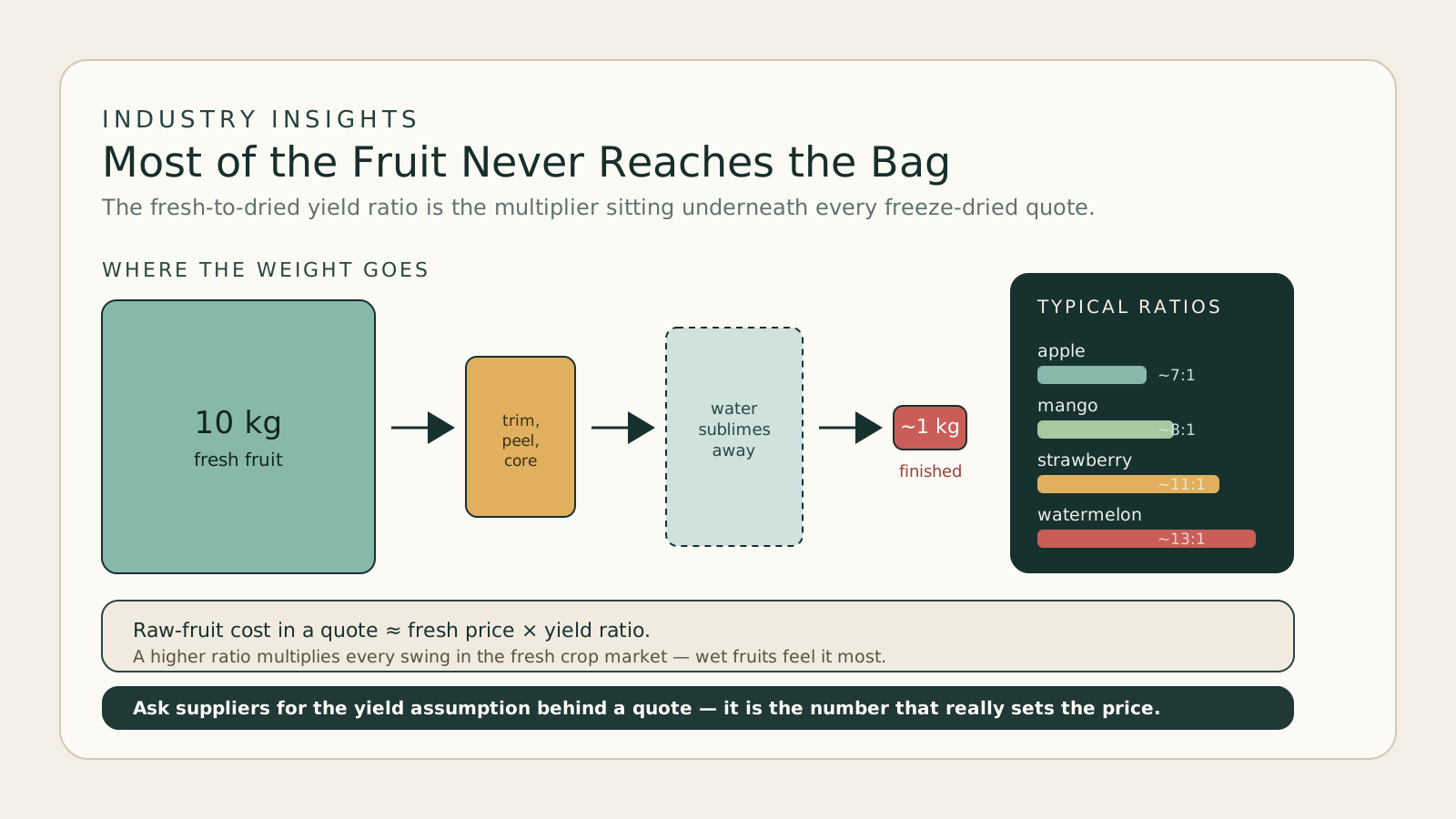
- Most fresh fruit is water, so yield ratios of roughly 6:1 to 12:1 fresh-to-dried are normal, and that multiplier sits underneath every quote.
- High-water fruits like watermelon and strawberry concentrate more dramatically than denser fruits, so their finished cost carries more raw fruit per kilogram.
- Trim, peel, core, and broken-piece losses stack on top of water removal, widening the real yield gap beyond the moisture math alone.
- Buyers who ask suppliers for the assumed yield ratio can sanity-check quotes and understand why prices move when crop quality shifts.
Sticker shock is the normal first reaction to a freeze-dried fruit quote. A kilogram of finished product can cost many times what the same fruit costs fresh at wholesale. The instinct is to blame the equipment, the energy, or the margin. Those matter, but they are not where the number starts. The price starts with a quieter fact: most of the fresh fruit never makes it into the bag. It leaves as water vapor. The fresh-to-dried yield ratio measures exactly how much disappears, and it is the multiplier sitting underneath every other cost.
The direct answer
A fresh-to-dried yield ratio is the amount of fresh raw fruit required to make one unit of finished freeze-dried fruit. Because fresh fruit is mostly water and freeze-drying removes nearly all of it, typical ratios land somewhere between about 6:1 and 12:1 by weight, depending on the fruit. That means six to twelve kilograms of fresh fruit can go into a single finished kilogram.
Everything else in a quote — labor, chamber time, energy, packaging, overhead, margin — is layered on top of a raw material cost that has already been multiplied by that ratio. Understanding the ratio is the fastest way to understand why freeze-dried fruit is priced the way it is.
The water math sets the floor
Start with the simplest version. If a fruit is 90 percent water and you remove essentially all of it, the dry solids left behind are about 10 percent of the starting weight. That alone implies roughly a 10:1 ratio before anything else happens. A fruit at 85 percent water lands nearer 7:1; one at 92 percent water pushes past 12:1.
For a clean, single-ingredient fruit, the floor of the yield ratio is close to one divided by its solids fraction. A fruit that is 88 percent water has a roughly 12 percent solids fraction, so its floor is around 8:1. Real ratios run higher once trimming and breakage are added.
This is why two fruits at the same fresh price per kilo can produce very differently priced finished goods. The wetter one simply needs more fresh input per finished kilogram.
Trim and breakage widen the gap
Water removal is only the first loss. Before fruit ever enters the dryer, it is washed, peeled, cored, pitted, and cut. A pineapple loses its skin and core. A mango loses skin and stone. Strawberries lose caps. Citrus loses peel and pith. Those losses come off the fresh weight, so the effective yield ratio is worse than the water math alone suggests.
After drying, more is lost. Fragile fruits shatter into fines and broken pieces during handling, screening, and packing. If a buyer is paying for whole or large pieces, the broken material is either downgraded or scrapped, which means the fresh input behind the saleable fraction is higher still. A nominal 10:1 fruit can behave like 13:1 or 14:1 once trim and breakage are honest.
Why the wettest fruits cost the most to dry
Put the two effects together and a pattern appears. The fruits that look cheapest fresh are often not the cheapest to freeze-dry, because the ones with the most water concentrate the hardest.
Watermelon is the classic example: extremely high water content means an enormous amount of fresh fruit vanishes per finished kilogram, and the delicate result also breaks easily. Strawberries and citrus sit high on the same scale. Denser, lower-water fruits and those with more structural solids tend to give somewhat better yields, which softens their finished cost even when the fresh fruit is not especially cheap.
This is also why a fruit's finished price does not track its fresh price one-for-one. The yield ratio is a lever between them.
The pricing multiplier in practice
The reason yield ratio matters to a buyer is that it multiplies volatility. A useful mental model: the raw fruit portion of a quote is roughly the fresh fruit price times the yield ratio.
If a fruit runs at 10:1 and the fresh crop price rises by a dollar a kilo, the raw material cost in the finished product rises by about ten dollars a kilo before any markup. A bad harvest, a weather event, or a seasonal squeeze on the fresh side does not pass through gently — it passes through multiplied by the ratio. The wetter the fruit, the bigger the amplifier. This is the deeper reason seasonality and crop quality move freeze-dried quotes so much more than they move fresh produce prices.
How buyers should use the ratio
The practical move is to make the ratio explicit. When a supplier sends a quote, ask what fresh-to-dried yield assumption sits behind it. The answer tells you several things at once.
It lets you compare suppliers on the same basis. Two quotes can look different purely because one assumed a more optimistic yield, not because one is genuinely cheaper to run. It lets you sanity-check a number that seems too low — an implausibly tight ratio often means a supplier is quoting on ideal fruit and will reopen the price when real crop quality shows up. And it lets you forecast. If you know the ratio and you watch the fresh crop market, you can anticipate where your quote is heading next season instead of being surprised by it.
The takeaway
Freeze-dried fruit pricing looks mysterious until you account for the fruit that never arrives in the bag. The fresh-to-dried yield ratio captures both the water that sublimes away and the trim and breakage that fall out along the way. It sets the raw material floor, it explains why wet fruits cost more to dry than dense ones, and it multiplies every swing in the fresh crop market. A buyer who knows the ratio behind a quote understands most of what is really driving the price.
Frequently Asked Questions
What is a fresh-to-dried yield ratio?
It is the weight of fresh raw fruit needed to produce one unit of finished freeze-dried fruit. A 10:1 ratio means roughly ten kilograms of fresh fruit go into one kilogram of finished product, mostly because water is removed.
Why are the ratios so high?
Fresh fruit is mostly water — often 80 to 92 percent by weight. Freeze-drying removes almost all of it, so the solid material left behind is a small fraction of the starting mass. Add trimming and breakage losses and the effective ratio climbs further.
Which fruits have the highest yield ratios?
The wettest ones. Watermelon, strawberry, and citrus lose the most weight because they start with the most water, so they need more fresh input per finished kilogram. Denser, lower-water fruits give somewhat better yields.
How does yield ratio affect the price I pay?
The raw fruit cost in a quote is roughly the fresh fruit price multiplied by the yield ratio, before processing, packaging, and margin. A higher ratio multiplies any change in fresh fruit cost, which is why wet fruits and bad crop years hit quotes hard.
Should I ask a supplier for their yield assumption?
Yes. Asking what fresh-to-dried ratio underlies a quote helps you compare suppliers on the same basis, spot unrealistic pricing, and anticipate how a quote will move if the fresh crop gets more expensive.
Primary sources & further reading
- Freeze-dried fruit weight KoRo Helpcenter Referenced for consumer-facing examples of how much fresh fruit corresponds to a given weight of freeze-dried fruit, illustrating typical concentration ratios.
- Effect of Freeze-Drying Pressure and Operating Time on Mass Balance and Characteristics of Freeze-Dried Mango Slices Pakistan Journal of Agricultural Research Referenced for mass-balance data on freeze-dried mango showing low finished-product yield and single-digit final moisture content.
- Food Freeze Drying Yield Calculator CryoDry Referenced for the general method of estimating finished yield from starting weight and moisture content in food freeze-drying.
External links open in a new tab. We do not receive compensation from any organization listed; sources are referenced because they are primary, current, and publicly verifiable.