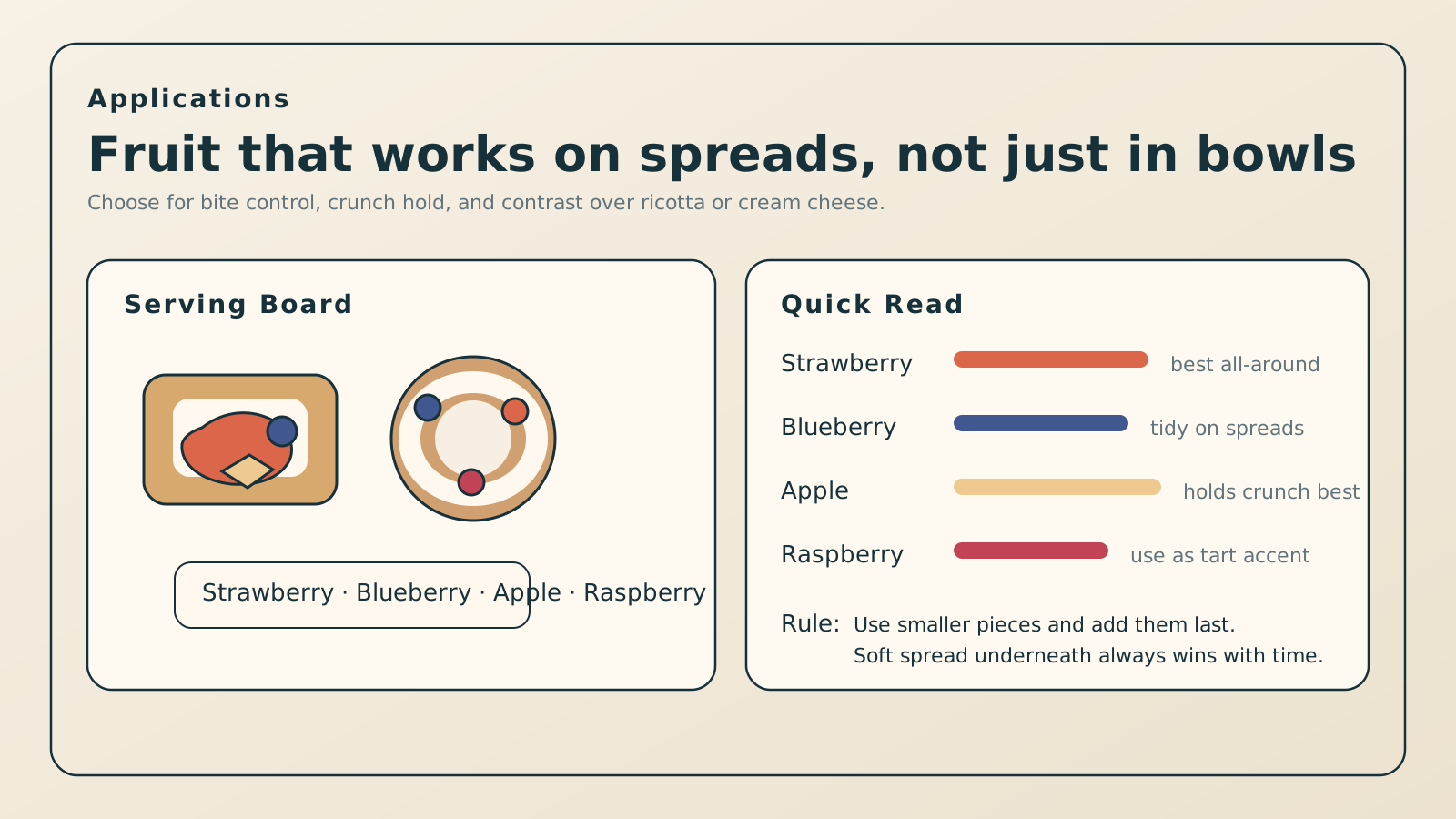
- Strawberry is the easiest all-around choice for toast, bagels, and ricotta boards because it adds color and familiar sweet-acid contrast quickly.
- Blueberry and apple are often the neatest options when you want cleaner bite control and better crunch hold on soft spreads.
- Raspberry is strongest as a tart accent rather than a heavy main topping.
- For spreads and boards, smaller pieces and crumble usually outperform oversized snack pieces.
Toast and bagels look like dry applications until the topping goes on.
Then the fruit is suddenly working against ricotta moisture, cream cheese density, butter melt, or the tackiness of nut butter. A piece that works beautifully in a snack bag can become awkward after one bite on bread.
The direct answer
The best freeze-dried fruit for toast, bagels, and ricotta boards is usually strawberry, blueberry, apple, or raspberry. Strawberry is the easiest all-around choice, blueberry is clean and easy to portion, apple often keeps the best crunch, and raspberry is best when you want sharper tart contrast in a smaller amount.
The real rule is to choose by topping job, not by which fruit sounds fanciest.
What this application demands from the fruit
Toast and bagels ask the fruit to do five things at once:
- taste clear over a mild base
- stay easy to bite through
- avoid rolling off the toast
- hold enough crunch to feel intentional
- look attractive on a spread-focused plate
That combination usually favors smaller pieces, light slices, or controlled crumble over giant showpiece fruit.
Ricotta boards demand even more restraint because the setup is partly visual and partly communal. People are usually adding fruit over soft dairy, honey, nuts, and bread in small bites, not eating a full handful of fruit on its own.
The safest all-around choices
Strawberry
Strawberry wins because it does nearly every job well enough. The red color reads immediately, the flavor is familiar, and the sweet-acid balance helps prevent toast toppings from tasting flat.
It is especially strong with:
- ricotta and honey
- cream cheese and lemon zest
- almond butter
- simple buttered toast
Blueberry
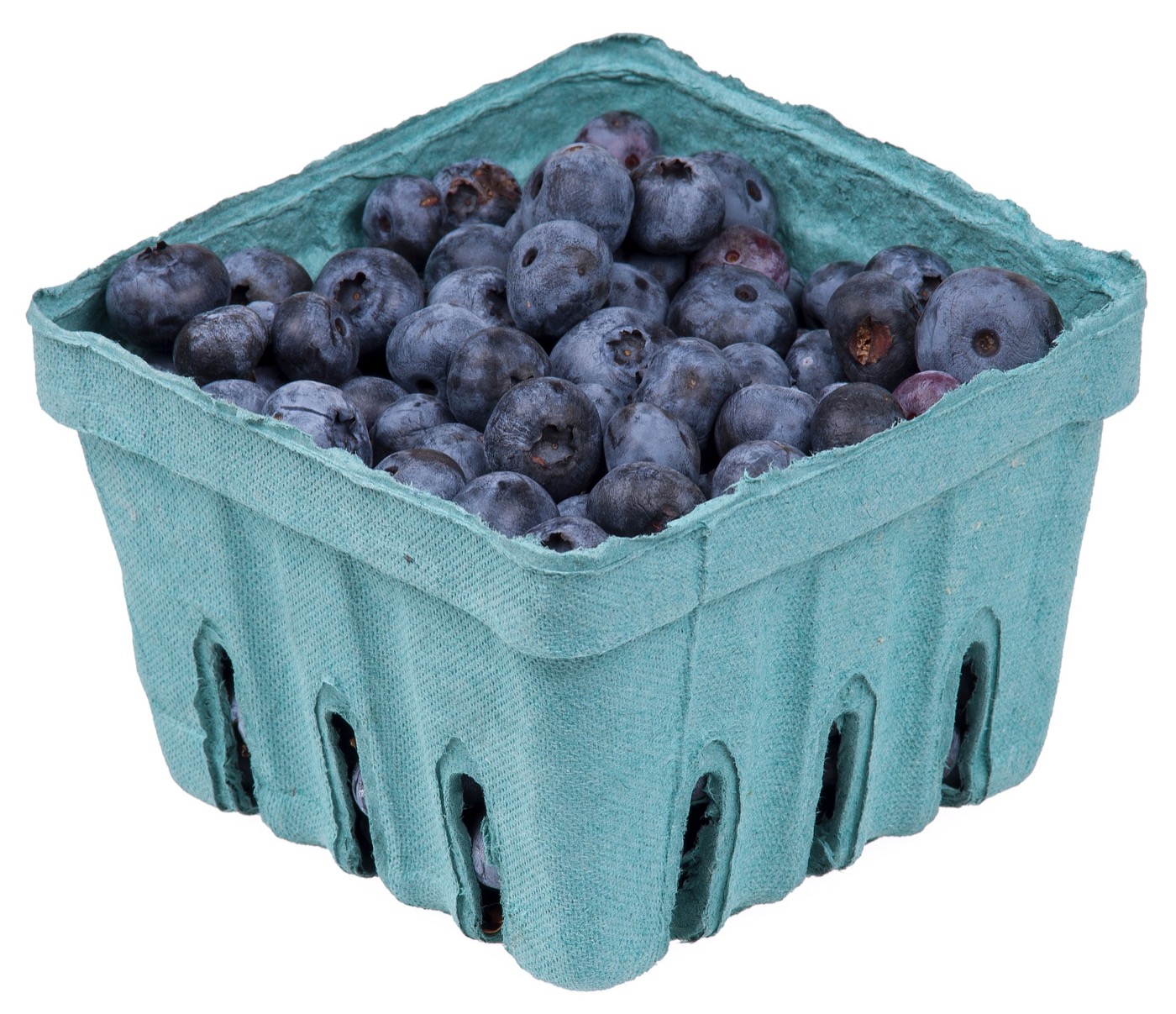
Blueberry is one of the tidiest options. It often feels calmer than strawberry and gives a darker, more breakfast-like tone. On ricotta or cream cheese, it provides enough fruit identity without becoming messy or aggressively tart.
It works well when you want:
- smaller spoonable bits
- less visual drama
- easier portion control on boards
Apple
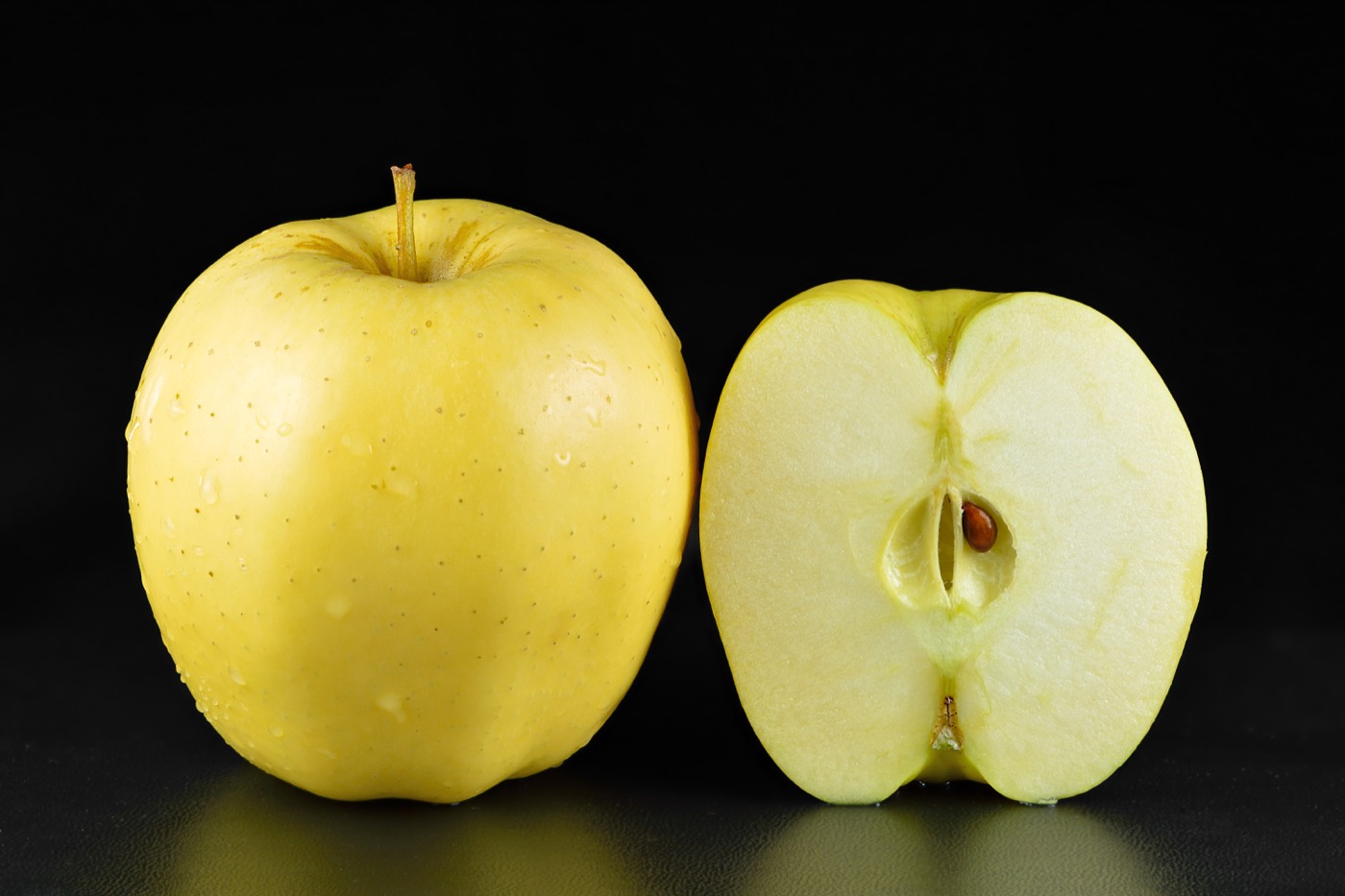
Apple is often overlooked here, but it may be the most practical choice for crunch hold. It pairs naturally with cinnamon, nut butter, ricotta, cream cheese, walnut, and seeded breads.
If the toast may sit for a few minutes, apple is often the safest pick.
Raspberry
Raspberry is the sharpest accent. It brings strong aroma and tart lift, which is excellent on creamy spreads but easy to overdo.
Use it when the goal is:
- contrast on rich ricotta
- a more dessert-like board
- a bright acid edge against honey or chocolate drizzle
Formats that usually work best
For this application, format can matter more than fruit variety.
Best formats:
- small slices
- moderate-size broken pieces
- controlled crumble
- a light dusting of powder paired with a few visible pieces
Less ideal formats:
- oversized whole slices that crack off at first bite
- ultra-fragile pieces that turn dusty across the board
- large tropical chunks that make the topping feel clumsy
This is especially true on bagels, where chew resistance is already higher than on soft toast. The fruit should add contrast, not create a second structural obstacle.
Matching the fruit to the spread
Ricotta
Ricotta likes fruits that can feel clean, bright, and slightly elegant. Strawberry, blueberry, and raspberry are the strongest fits. Apple works when cinnamon, nuts, or a darker bread are part of the board.
Cream cheese
Cream cheese can handle a little more sweetness and a little more weight. Strawberry and blueberry are easy wins. Apple is excellent on plain or cinnamon bagels. Raspberry is strongest when used more lightly.
Nut butter
Nut butter usually rewards apple, strawberry, and banana-like profiles more than delicate berries. But because this is still a bread application, freeze-dried banana often softens too fast and can feel a little heavy. Apple and strawberry usually stay cleaner.
How to keep the fruit from turning awkward
The main mistake is adding the fruit too early. Soft spreads begin pulling crunch out of the fruit almost immediately.
If the goal is a crisp, composed bite:
- spread the base first
- add honey or jam only if using
- top with fruit just before serving
- finish with nuts, seeds, or powder last
For a ricotta board, place the fruit in small clusters instead of blanketing the whole surface. That keeps the board looking clean and gives each bite a clearer job.
Bottom line
For toast, bagels, and ricotta boards, strawberry is the best all-around freeze-dried fruit, with blueberry and apple close behind. Raspberry is the strongest tart accent when used in moderation.
Choose smaller pieces, add them late, and match the fruit to the spread rather than to the bread alone.
Frequently Asked Questions
What is the best freeze-dried fruit for toast and bagels?
For most people, strawberry is the safest first choice because it gives bright color, recognizable flavor, and enough acidity to wake up soft spreads.
Which freeze-dried fruit stays crunchy longest on ricotta or cream cheese?
Apple usually holds its shape and crunch well, and blueberry can also stay tidy. Very fragile berries soften or crumble faster once they sit on a wet spread.
Should I use whole pieces or crumble on toast?
Usually crumble or moderate-size pieces. Oversized snack pieces can be harder to bite through cleanly once the spread starts softening them from below.
Is freeze-dried fruit better with sweet or savory bagels?
It works best with neutral-to-gently savory bases such as plain, sesame, or multigrain bagels where the fruit can provide contrast instead of fighting a strong seasoning blend.
When should freeze-dried fruit be added?
As late as possible if crunch matters. The longer the fruit sits on ricotta, cream cheese, butter, or nut butter, the more quickly it softens.