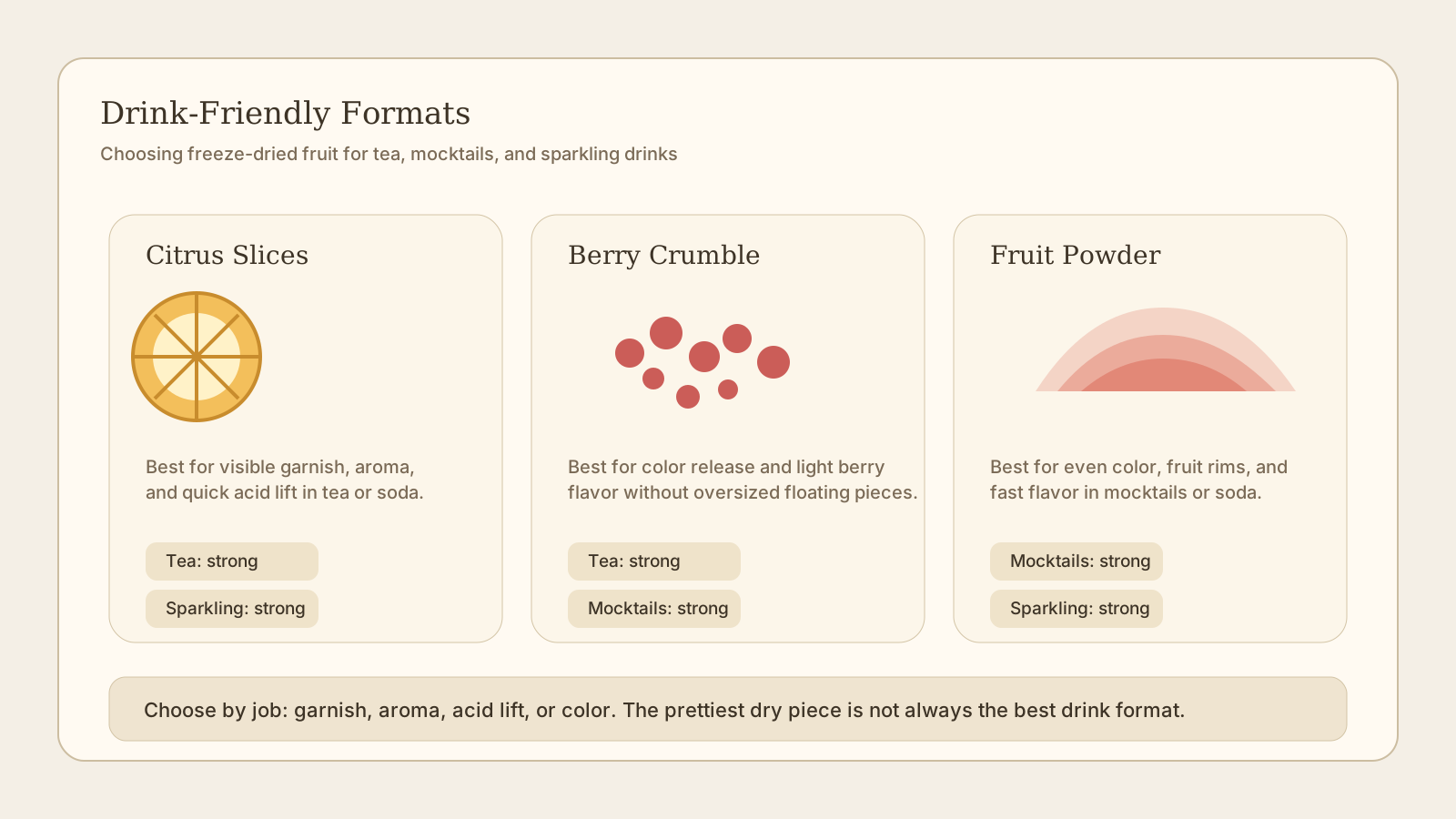
- Citrus slices, tart berries, and fine fruit powders are usually the strongest freeze-dried formats for tea, mocktails, and sparkling drinks.
- Whole or bulky sweet fruit pieces often look promising in the bag but soften quickly without doing enough in the glass.
- Hot tea, cold sparkling water, and thick mocktails each reward different fruit formats.
- The best drink fruit is chosen for the job: garnish, aroma, color, acid lift, or light flavor infusion.
Freeze-dried fruit looks like an obvious drink ingredient until the wrong format lands in the glass. Then the result is familiar: the fruit softens, sinks, and adds less flavor than the bag promised.
That is not because freeze-dried fruit fails in drinks. It is because drinks ask for a different kind of fruit discipline than snacks or toppings.
The direct answer
For tea, mocktails, and sparkling drinks, the best freeze-dried fruit is usually citrus slices, tart berry crumble, or fine fruit powder. These formats either release aroma quickly, add visible garnish value, or spread color and flavor efficiently.
Large sweet snack-style pieces often do less well because they absorb liquid faster than they transform it.
Start with the fruit's job in the glass
Freeze-dried fruit can play several different drink roles:
- visible garnish
- aroma lift
- quick acidity
- gentle infusion
- color effect
The problem is that one format rarely does all five well.
If you pick the fruit for appearance only, the flavor may disappoint. If you pick for flavor only, the glass may look muddy. The best results come from deciding what the fruit is supposed to do before choosing the format.
Best choices for hot tea
Hot tea rewards fruits that soften gracefully and release aroma without needing much stirring.
Lemon and orange slices
These are the easiest drink fruits to understand. They add clear citrus identity, visible garnish value, and enough acid brightness to matter. They work especially well in black tea, green tea, herbal infusions, and lightly sweetened iced tea.
Best for:
- clear garnish identity
- citrus aroma
- tea blends that need brightness
Raspberry or strawberry crumble
Berry crumble works better than large slices in tea because it releases color and flavor faster. It is especially useful in herbal or hibiscus-style teas where a little fruit color helps the cup look alive.
Best for:
- berry teas
- pink or red color effect
- small-batch iced tea experiments
Apple and jujube pieces
These are quieter choices, but they can work in comfort-style teas where a soft fruit note is enough. They do less visual work than citrus or berries.
Best choices for sparkling water
Sparkling drinks are less forgiving than tea because they are cold, thinner, and often consumed for refreshment rather than fruit depth.
The strongest options are usually:
- citrus slices
- berry crumble
- small fruit dust or powder
Why? Because these formats either release something quickly or look attractive while doing very little harm.
Large mango, banana, or apple chunks often soften attractively for the first minute, then become passive passengers in the glass.
Best choices for mocktails
Mocktails give freeze-dried fruit more room to succeed because they often include syrups, juices, tea bases, or acid components that can carry the fruit effect.
Citrus slices
Strong for garnish, aroma, and structured acidity.
Berry powder
Excellent when you want even color or a fruit rim effect without bulky floating pieces.
Pineapple or passion-fruit accents
Useful in tropical mocktails, but usually best in controlled small pieces or powder rather than snack-sized chunks.
Mocktails are where combining formats often works best: one visible slice plus a little powder or crumble for color and flavor spread.
Pieces versus powder
This choice matters more than the fruit name.
Choose slices or pieces when you want:
- obvious garnish identity
- easy serving
- a glass that looks designed
Choose powder or fine crumble when you want:
- even color
- faster flavor release
- a cleaner fruit effect in each sip
Powder also works well when the fruit is meant to support the drink rather than announce itself as a piece of food floating in it.
Which fruits tend to disappoint
The most common disappointments are thick, sweet, snack-style pieces used as if they were infusion ingredients.
They often:
- look dramatic at first
- soften quickly
- add less aroma than expected
- feel awkward by the last sip
That does not make them bad fruit. It makes them better suited to snacking, cereal, or dessert topping than to drinks.
Practical matches by use case
If the goal is a simple tea garnish, start with lemon or orange.
If the goal is a colorful sparkling-water accent, use berry crumble or a very small amount of berry powder.
If the goal is a more layered mocktail, combine one visual element such as citrus or a small dried slice with one functional element such as berry powder.
If the goal is a tropical drink, keep the fruit format small and intentional so the garnish does not turn heavy and soggy.
A good rule for timing
Add freeze-dried fruit close to serving time when you want:
- visible structure
- intact garnish
- cleaner texture contrast
Add earlier only when the point is light infusion, color bleed, or a softer fruit effect in the cup.
This is especially important with sparkling drinks, where overlong soak time can make the fruit look tired without improving flavor much.
When in doubt, choose the fruit for the aroma or color it releases fastest, not for how impressive the piece looks dry in the bag.
Bottom line
The best freeze-dried fruit for tea, mocktails, and sparkling drinks is usually citrus slices, berry crumble, or fine fruit powder because those formats do useful work quickly.
The practical rule is simple: choose the fruit by job. Garnish, aroma, acid lift, and color are different jobs, and the best drink fruit is the one matched to the one you actually need.
Frequently Asked Questions
What freeze-dried fruit works best in tea?
Lemon, orange, raspberry, strawberry crumble, and some apple or jujube formats usually work best because they either add visible garnish value, release aroma quickly, or soften in a pleasant way in hot liquid.
Is freeze-dried fruit good in sparkling water?
It can be, especially citrus, berry crumble, or small fruit powders. Large sweet pieces often soften before they add enough flavor.
Should I use whole pieces or powder in drinks?
Choose whole or sliced pieces when garnish appearance matters. Choose powder or fine crumble when color and even flavor distribution matter more than visible fruit identity.
Why do some freeze-dried fruits taste weak in drinks?
Because some formats are designed for snacking, not infusion. Thick sweet pieces can absorb liquid and soften without releasing much flavor into the drink.
When should freeze-dried fruit be added to mocktails or sparkling drinks?
Usually near serving time if you want the fruit to stay visible and textured. Add earlier only when the goal is light infusion rather than crisp garnish.