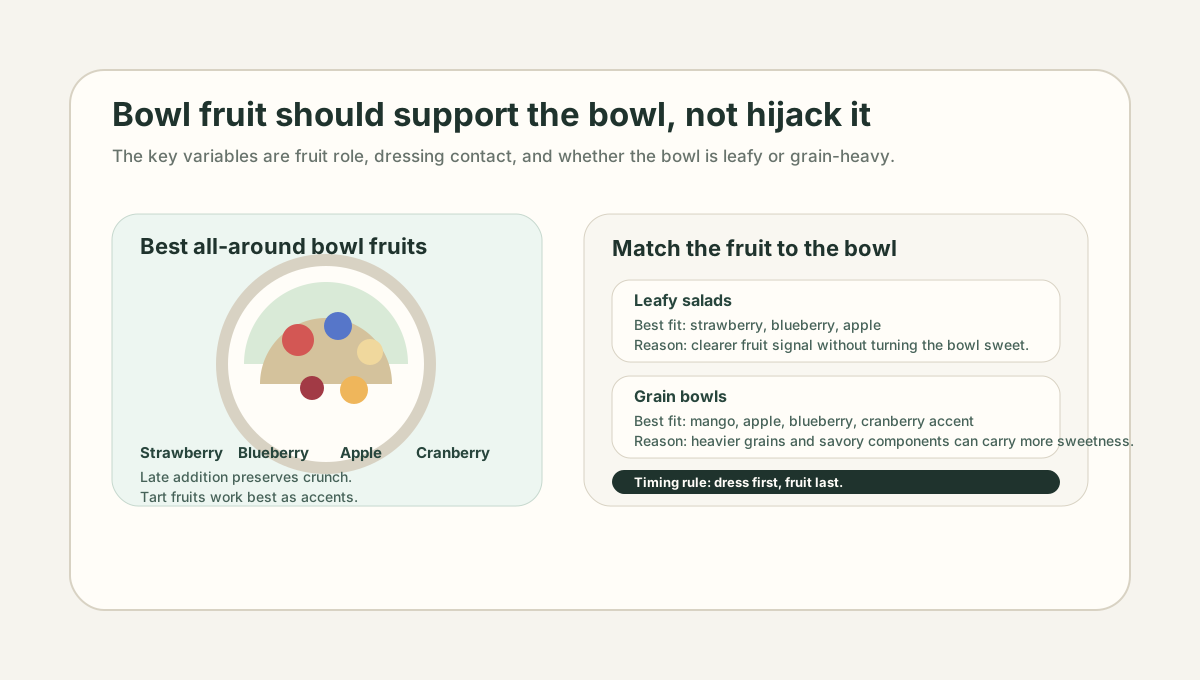
- Strawberry, blueberry, and apple are the easiest all-around freeze-dried fruit choices for salads and grain bowls because they add recognizable flavor without fighting the rest of the bowl.
- Cranberry and pomegranate-style formats work best as sharp accents, not as the dominant fruit layer.
- Mango is usually stronger in grain bowls than in delicate leafy salads because its sweetness reads better against savory grains, herbs, and chili-lime style dressings.
- Add freeze-dried fruit late. Dressing contact softens the pieces quickly, and timing often matters more than the exact fruit choice.
Freeze-dried fruit can work beautifully in a salad or grain bowl, but only when the fruit has a clear role. The bowl is already busy: greens, grains, nuts, seeds, vinaigrette, cheese, herbs, roasted vegetables, proteins, maybe something creamy, maybe something spicy.
That means bowl fruit is not being judged the same way as snack fruit or yogurt-bowl fruit. The best option is rarely the one with the loudest flavor in isolation. It is the one that still feels coherent once everything else is happening.
The direct answer
The best freeze-dried fruit for salads and grain bowls is usually strawberry, blueberry, or apple for all-around use, with cranberry, pomegranate-style accents, or mango added more selectively depending on the bowl.
For leafy salads, cleaner and lighter fruit choices usually work best. For grain bowls, sweeter or more assertive fruits often have more room.
What bowl fruit needs to do well
A useful bowl fruit should:
- stay recognizable for at least a short eating window
- add sweetness, tartness, or crunch in a controlled way
- not turn soggy immediately under dressing
- feel like part of the bowl rather than a random garnish
That is why timing matters so much. Freeze-dried fruit absorbs moisture quickly. A fruit that tastes perfect in the bag can feel tired after sitting under vinaigrette for ten minutes.
Strawberry is the easiest all-around salad fruit
Freeze-dried strawberry works because it reads clearly and pairs easily with ingredients people already expect to see together:
- goat cheese
- spinach
- almonds
- walnuts
- balsamic dressings
It is sweet enough to be friendly, acidic enough to stay lively, and recognizable enough that the bowl still feels savory rather than confusing.
The main caution is fragility. Very thin slices or fine-heavy packs soften fast and can disappear into the greens if the dressing goes on too early.
Blueberry is small, tidy, and easy to distribute
Blueberry is often the cleanest bowl fruit because the pieces are compact and easy to scatter evenly. It usually works better than dramatic, fragile slices when the goal is a balanced bite rather than fruit theater.
Blueberry is especially useful in:
- spring-mix salads
- kale salads with nuts and cheese
- quinoa or farro bowls with herbs
It rarely dominates, which is exactly why it works.
Apple is the understated savory option
Apple is one of the most practical freeze-dried fruits for bowl use because it adds sweetness and crunch without dragging the bowl toward dessert.
It fits naturally with:
- fall-style leafy salads
- grain bowls with squash or roasted vegetables
- sharp cheeses
- mustard or cider-style dressings
If strawberry is the friendliest answer, apple is often the most quietly versatile one.
Cranberry and pomegranate-style fruits are accent fruits
Tart fruits can be excellent in bowls, but they usually work best as punctuation rather than as the main fruit layer.
That is especially true for:
- cranberry
- tart red berry fragments
- pomegranate-style freeze-dried accents
These fruits brighten savory bowls the way acid does. They should usually show up in small, deliberate amounts. Too much can make the bowl feel sharp or fragmented.
Mango belongs more naturally in grain bowls
Mango is often too dessert-coded for delicate leafy salads, but it can be excellent in grain bowls where the rest of the structure is warmer, heartier, or more savory.
It works particularly well with:
- rice or farro bowls
- chili-lime dressings
- avocado
- roasted vegetables
- herbs with a tropical or spicy direction
The sweetness feels more intentional there. In a delicate green salad, the same mango can sometimes feel too loud.
Add the fruit late
This matters more than people expect.
The best timing is usually:
- build the bowl
- dress the base lightly
- add the freeze-dried fruit near the end
That preserves more crunch and keeps the fruit visually distinct. If the bowl needs to travel, it is even better to pack the fruit separately and add it right before eating.
What tends not to work as well
The hardest freeze-dried fruits to use in salads and grain bowls are usually:
- very fragile raspberries
- large awkward whole pieces
- bottom-of-bag powder and fines
- fruits that are too sweet for the rest of the bowl
That does not make them bad products. It means they fit other applications better.
Match fruit to bowl style
For leafy salads
Best choices:
- strawberry
- blueberry
- apple
- light tart accents in small amounts
For hearty grain bowls
Best choices:
- apple
- mango
- blueberry
- cranberry as a sharp accent
For cheese-and-nut combinations
Best choices:
- strawberry with goat cheese
- apple with cheddar-style or aged cheeses
- blueberry with milder creamy cheeses
The pattern is simple: the heavier and more savory the bowl, the more sweetness the fruit can usually carry.
If the fruit has been sitting under dressing since prep time, judge the timing before you judge the fruit choice. Many bowl disappointments are sequencing problems, not ingredient problems.
Bottom line
For most salads and grain bowls, strawberry, blueberry, and apple are the best freeze-dried fruit choices because they integrate easily, stay recognizable, and add useful sweetness or crunch without taking over the bowl.
Cranberry and similar tart fruits are best as accents. Mango usually performs better in grain bowls than in leafy salads. And whatever fruit you choose, add it late if you want the bowl to feel crisp and deliberate.
Frequently Asked Questions
What is the best freeze-dried fruit for salads?
For most salads, strawberry, blueberry, and apple are the easiest choices because they bring recognizable fruit character without overwhelming the greens or turning the bowl into dessert.
What is the best freeze-dried fruit for grain bowls?
Mango, apple, and tart accents such as cranberry usually work well in grain bowls because they stand up better against hearty grains, roasted vegetables, seeds, and stronger dressings.
When should freeze-dried fruit be added to a salad?
Usually at the end, after most dressing is already on the bowl. Freeze-dried fruit softens quickly once it sits against wet ingredients.
Are tart fruits good in savory bowls?
Yes, in controlled amounts. Tart fruits can brighten a savory bowl the way pickled onions or vinaigrette do, but they work best as accents rather than the main fruit layer.
Which freeze-dried fruits are harder to use in salads?
Very fragile berries, dusty bottom-of-bag fines, and oversized whole pieces are usually less convenient because they either disappear too fast or feel awkward to eat with the rest of the bowl.