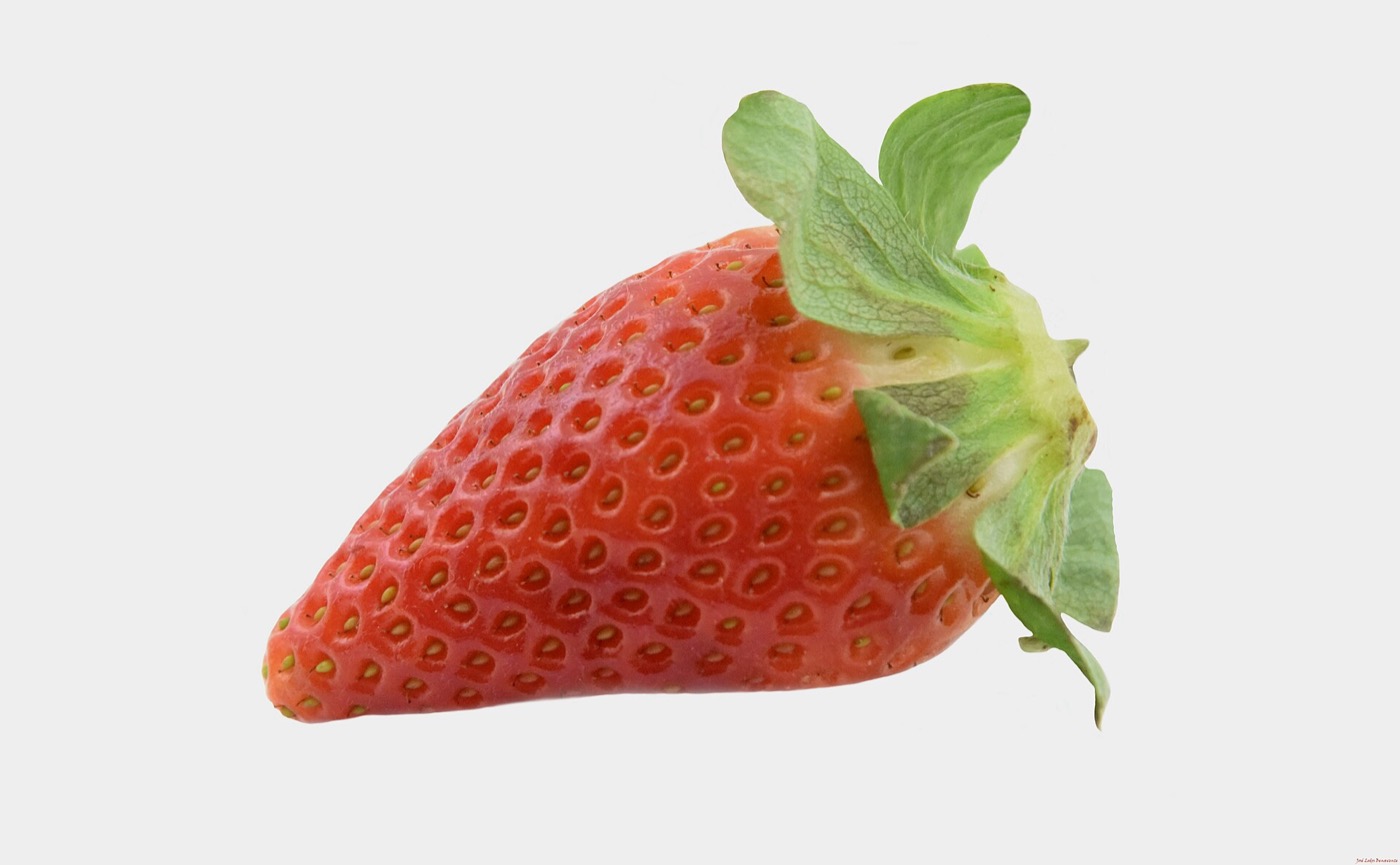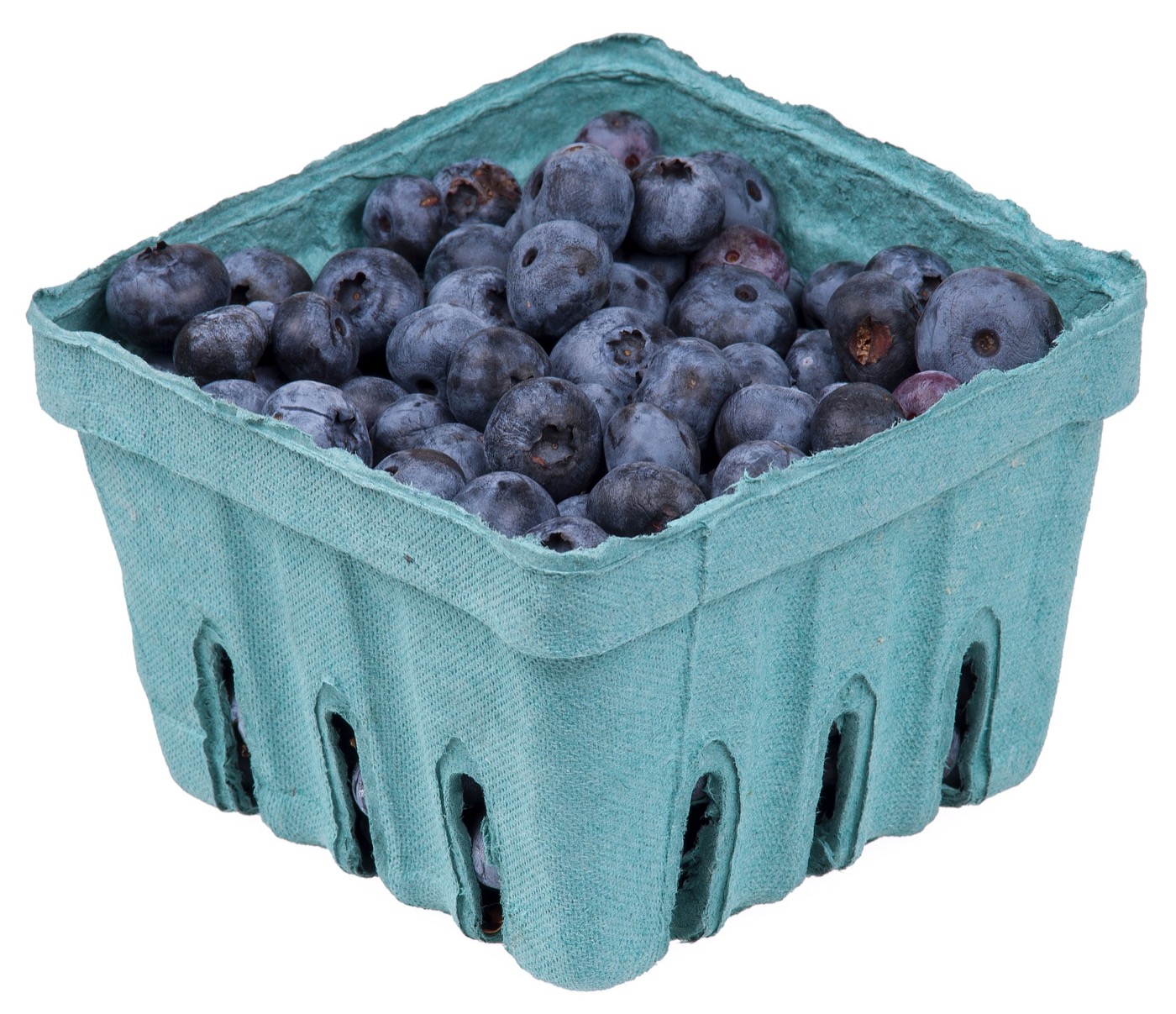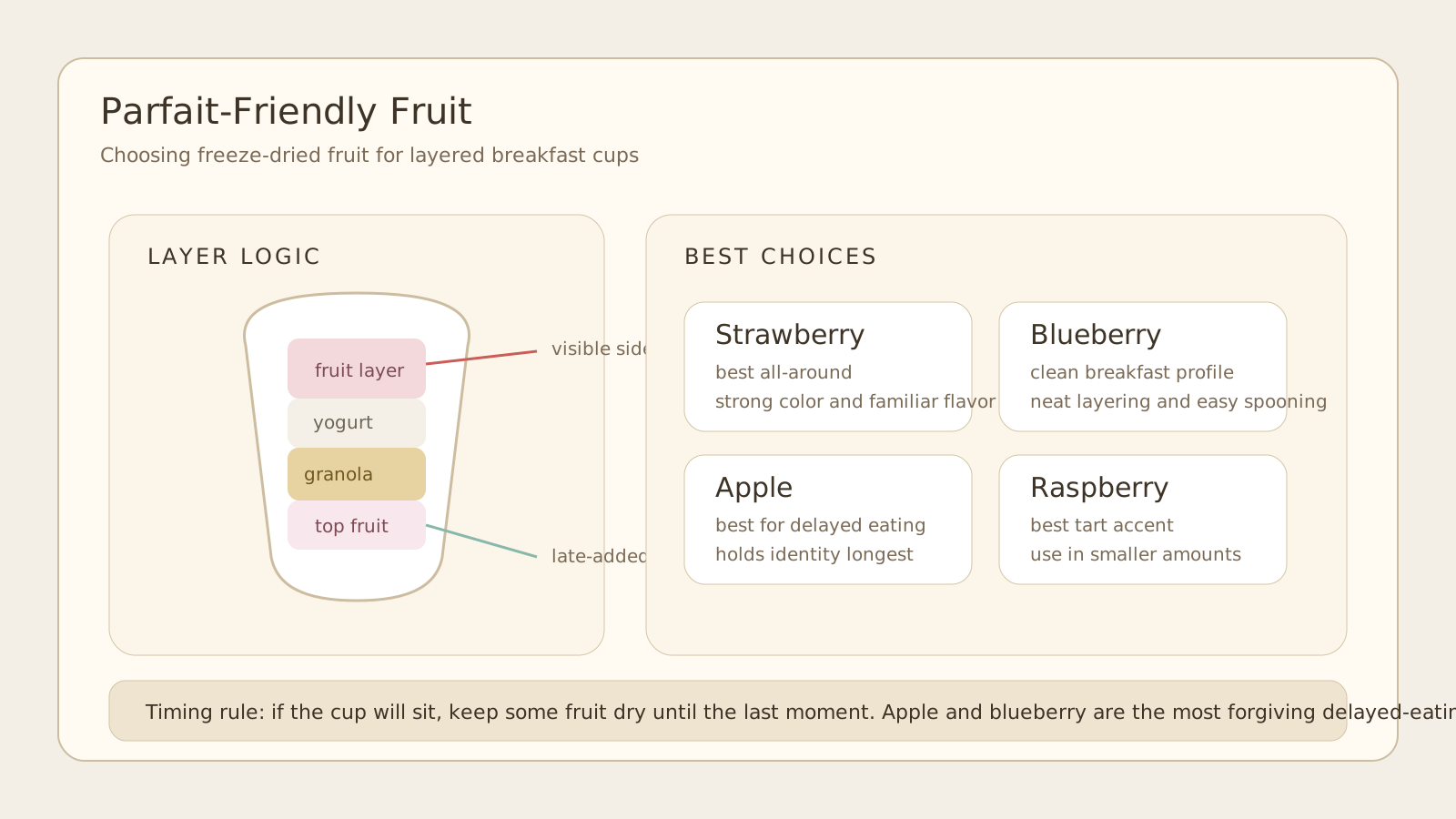
- Strawberry and blueberry are the safest all-around picks for layered breakfast cups because they stay recognizable and fit both sweet and neutral dairy bases.
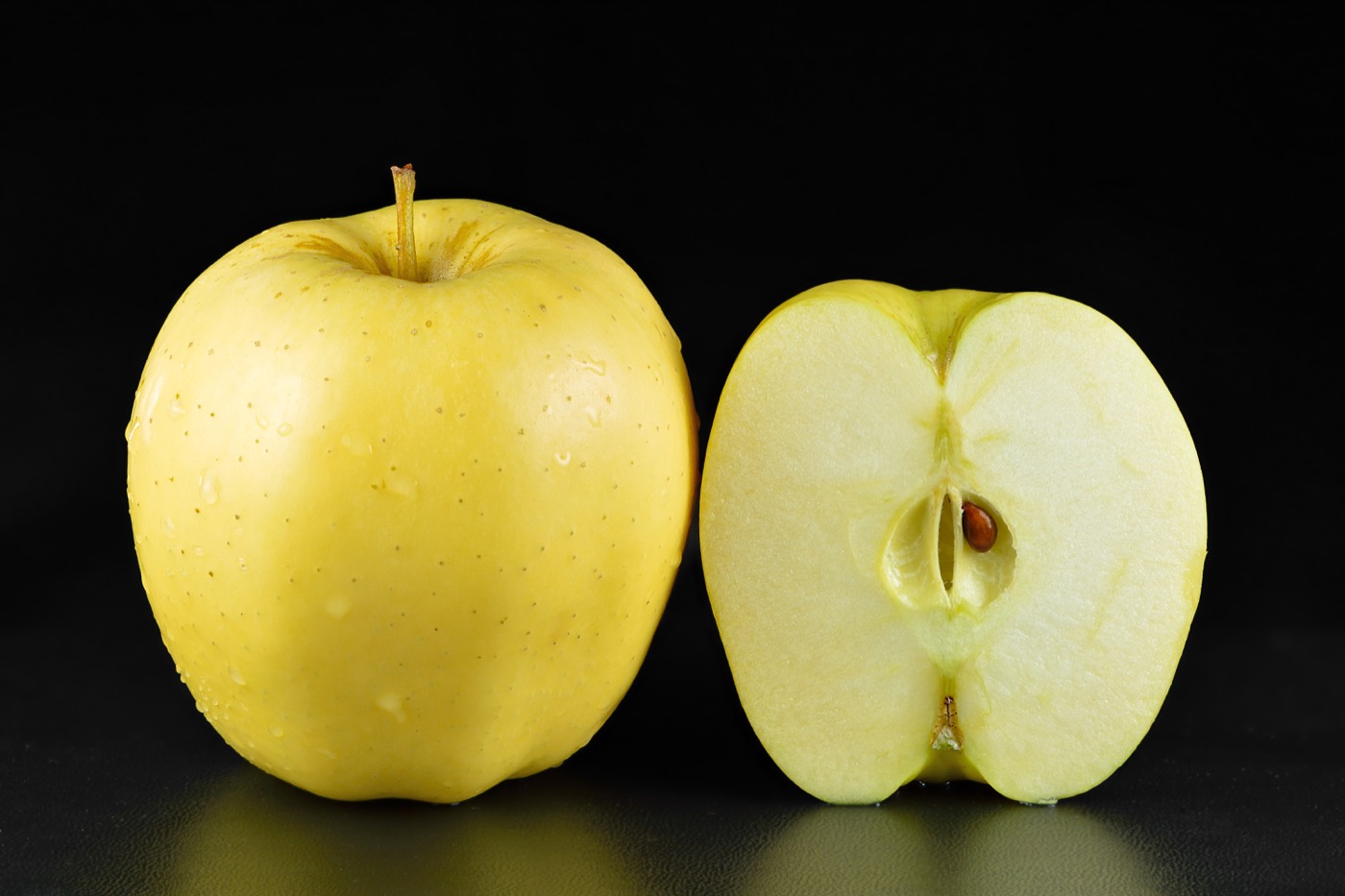
- Apple is the strongest choice when the parfait may sit for a while, because it tends to keep its identity better than softer tropical fruits.
- Raspberry is excellent for tart contrast, but it usually works best as a supporting layer or top garnish rather than the bulk fruit in the cup.
- For meal-prep parfaits, keep freeze-dried fruit out of the wet base until the latest possible moment if crunch matters.
Parfaits look simple until the texture starts moving.
The yogurt layer wets the fruit. The granola presses down on it. The cup travels to work or school. What looked crisp and pretty at assembly can turn dull or awkward by the time the spoon goes in.
The direct answer
The best freeze-dried fruit for parfaits and layered breakfast cups is usually strawberry, blueberry, apple, or raspberry. Strawberry is the safest all-around pick, blueberry is neat and breakfast-friendly, apple keeps its structure best when the cup sits, and raspberry is best for tart contrast in smaller amounts.
The right fruit depends less on the ingredient list and more on the eating window. A parfait eaten immediately can handle more delicate fruit. A meal-prep cup needs tougher texture logic.
What makes fruit work in a parfait
Parfaits are not just yogurt bowls in a taller container.
They add three pressures:
- longer contact time with wet layers
- more visual expectations from the side of the cup
- more spoon resistance from stacked ingredients
That means the fruit has to do several jobs at once:
- stay recognizable through the glass or container wall
- soften gracefully instead of turning leathery
- break down in a spoon-friendly way
- contribute flavor without taking over the whole cup
Large dramatic pieces are not always the best option. In layered breakfast cups, moderate-size pieces often perform better because they distribute more evenly and stay easier to eat.
The best all-around choices
Strawberry
Strawberry is the easiest recommendation because it solves several problems at once. It looks good immediately, the color reads clearly between white layers, and the sweet-acid balance keeps the cup from feeling flat.
It is especially good for:
- classic yogurt parfaits
- vanilla or honey-based breakfast cups
- family-friendly meal-prep cups
If the cup is being made for broad appeal, strawberry is the safest default.
Blueberry
Blueberry is quieter than strawberry but often more orderly. The flavor is gentler, the pieces feel familiar in breakfast formats, and the visual effect is clean rather than dramatic.
It works especially well when the cup needs:
- a more subtle fruit note
- less visual mess
- easy layering with oats or granola
Blueberry also tends to fit better in restrained breakfast cups that are meant to read nourishing rather than dessert-like.
Apple
Apple is the most underused parfait fruit.
For cups that may sit in the refrigerator or travel before eating, apple is often the most practical answer because it keeps its identity well. It also pairs naturally with cinnamon, oats, nut butter, and lower-sugar breakfast profiles.
If the goal is texture reliability instead of the most dramatic fruit flavor, apple deserves more attention than it usually gets.
Raspberry
Raspberry gives the sharpest tart lift and the strongest aroma per small amount.
That is its advantage and its limit.
In parfaits, raspberry usually works best as:
- a thinner fruit layer
- a top garnish
- a contrast fruit paired with milder ingredients
Too much raspberry can make the whole cup feel aggressive, especially in smaller breakfast containers.
Fruits that are better as accents than foundations
Some freeze-dried fruits can work in parfaits but are usually better in smaller roles.
Mango
Mango makes the cup sweeter and more dessert-coded. It works best when you want a tropical profile, but it softens quickly and can feel heavy if layered too generously.
Banana
Banana fits peanut-butter or cocoa breakfast cups well, but it usually softens fast and can flatten the whole profile into sweetness. It is best for immediate eating rather than delayed meal prep.
Pineapple
Pineapple can be lively and bright, but it tends to push the cup toward a tropical-snack direction rather than a classic breakfast feel. That can be a strength or a mismatch depending on the goal.
The timing rule matters more than the fruit list
The best parfait habit is simple: separate crunch from moisture for as long as possible.
If the cup is being eaten right away, layering fruit directly into the yogurt can work well. If the cup is being meal-prepped, the strongest results usually come from one of two approaches:
- keep the freeze-dried fruit in the top dry layer
- pack part of the fruit separately and add it before eating
That matters because the wet dairy does not need much time to change the texture.
Apple and blueberry are the safest when delay is likely. Strawberry can still work well, especially in moderate-size pieces. Raspberry and mango are less forgiving if the cup sits too long.
Good layer combinations
Useful layered breakfast-cup pairings include:
- strawberry + vanilla yogurt + granola
- blueberry + oat base + toasted nuts
- apple + cinnamon yogurt + oat crumble
- raspberry + vanilla yogurt + dark-cocoa granola
These combinations work because the fruit has a clear job. It is not just present. It is balancing sweetness, texture, and visual contrast. A mixed pack such as this classic fruits mix covers strawberry, apple, and banana in one bag for layered cups.
When freeze-dried fruit is better than fresh in this format
Freeze-dried fruit often wins when the cup needs:
- cleaner portability
- less leakage
- stronger crunch
- more concentrated flavor from a small portion
Fresh fruit often wins when the cup needs:
- juiciness
- softness
- a more obviously fresh profile
That is why the two should not be treated as automatic substitutes. They solve different breakfast problems.
Bottom line
For parfaits and layered breakfast cups, strawberry is the best all-around freeze-dried fruit, with blueberry and apple close behind. Raspberry is strongest as a tart accent rather than the whole fruit layer. Apple is the safest choice when the cup will sit.
Choose the fruit based on the delay between assembly and eating. In parfaits, timing is often the real ingredient.
Frequently Asked Questions
What is the best freeze-dried fruit for parfaits?
For most parfaits, strawberry is the easiest first choice because it gives clear color, familiar flavor, and good visual contrast between yogurt, oats, or granola layers. Blueberry and apple are close behind depending on the texture goal.
Which freeze-dried fruit stays crisp longest in a parfait?
Apple usually keeps its identity best if the cup sits for a while. Blueberry can also hold reasonably well. Softer or sweeter fruits such as mango and banana tend to soften faster once they contact the wet layers.
Should freeze-dried fruit go inside the layers or only on top?
It depends on timing. For an immediate-eating parfait, layering inside can work well. For meal-prep cups, the strongest crunch usually comes from keeping at least part of the fruit separate until serving.
Is freeze-dried fruit better than fresh fruit for breakfast cups?
It is better for some goals and worse for others. Freeze-dried fruit gives more crunch, less mess, and stronger concentrated flavor. Fresh fruit gives juiciness and softness. The better choice depends on whether the cup is built for texture, portability, or freshness.
Which freeze-dried fruits are less ideal for layered breakfast cups?
Very sweet tropical pieces and ultra-fragile berries can be less forgiving if the cup sits. They can either soften too quickly or break down too much during layering and transport.