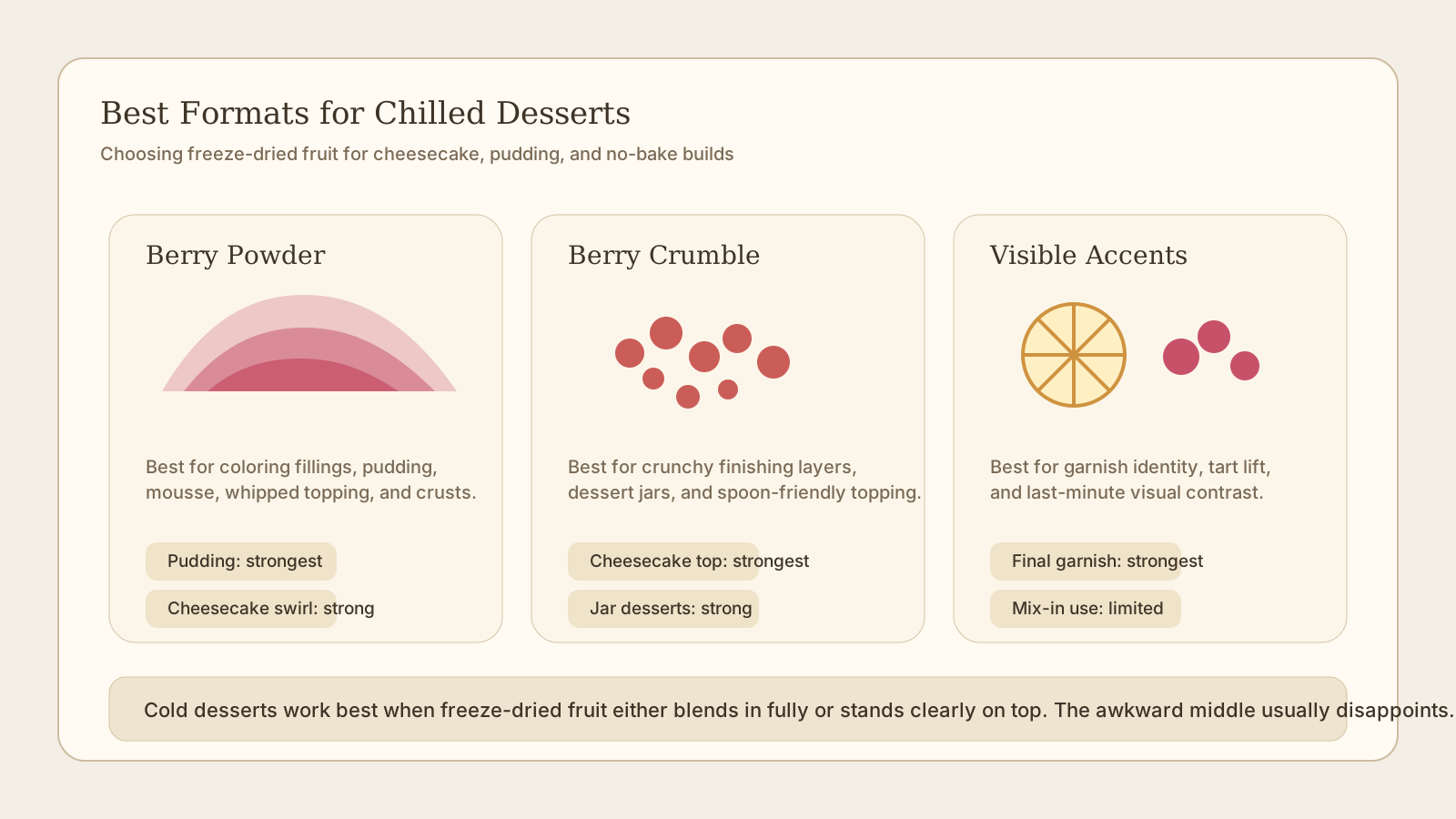
- Berry powders, berry crumble, and light citrus accents are usually the strongest formats for chilled desserts.
- Cheesecake and pudding reward different fruit choices: cheesecake likes contrast and garnish identity, while pudding often prefers even flavor spread.
- Snack-sized whole pieces often look dramatic dry but can read bulky or awkward in soft no-bake desserts.
- Choose freeze-dried fruit by job: swirl, topping, crust accent, mix-in, or color boost.
Freeze-dried fruit and chilled desserts are a natural pairing, but only when the fruit format matches the texture of the dessert. The wrong piece can turn soft, awkward, or oddly chewy against a creamy base.
The good news is that the right format usually works extremely well.
The direct answer
For cheesecake, pudding, and other no-bake desserts, the best freeze-dried fruit is usually berry powder, berry crumble, or light visible accents such as strawberry slices, raspberry pieces, blueberry crumble, or citrus garnish. These formats add flavor and color without overpowering a soft filling.
Large snack-style chunks often do less well because they stay too bulky or soften in the wrong way.
Start with the fruit's job in the dessert
Freeze-dried fruit can do several different jobs in a chilled dessert:
- color the filling
- add tart contrast
- provide a crunchy topping
- give garnish identity
- break up richness with aroma or acidity
One format rarely does all five well. A powder is excellent for even flavor spread and poor for visible fruit identity. A whole slice looks beautiful on top of cheesecake and may be awkward folded into pudding.
The easiest way to choose well is to decide the job first.
Best choices for cheesecake
Cheesecake likes contrast. The filling is rich, creamy, and usually dense enough to benefit from bright fruit lift.
Strawberry and raspberry
These are the safest all-around choices. They bring recognizable color, tartness, and an obvious dessert signal. Powder works well in the filling or whipped topping. Crumble or small pieces work well on top.
Blueberry
Blueberry is softer in flavor than raspberry but useful when the dessert should feel calmer and less tart. Crumble and powder are usually stronger than large whole pieces.
Lemon, orange, and passion-fruit accents
These are best used as accents rather than the whole topping plan. A small citrus or tropical acid note can keep cheesecake from tasting heavy.
Best choices for pudding and mousse-style desserts
Pudding, mousse, and chilled custard-style desserts usually reward even flavor distribution more than visible fruit structure.
That makes these formats especially useful:
- berry powder
- fine crumble
- very small tart fruit pieces
Powder works because it colors and flavors the full spoonful instead of appearing only at the top. Crumble works when you want a little visual texture without creating large soggy fruit islands in the cup.
For chocolate pudding or mousse, raspberry, strawberry, cherry, and orange are usually the clearest winners because they cut richness cleanly.
Best choices for crusts, layers, and dessert jars
No-bake desserts often have more than one texture zone. That is where freeze-dried fruit becomes especially versatile.
For crust accents
Berry powder or fine crumbs blend well into crumb crusts and coated bases. They add color and a light fruit note without creating obvious hard chunks.
For layered dessert jars
Small visible fruit pieces can work well between creamy layers, but they should stay modest in size. Large chunks tend to feel disconnected from the spoon path.
For final topping
This is where slightly larger pieces can shine. Strawberry slices, raspberry crumble, blueberry bits, or citrus garnish added near serving time create the strongest visual payoff.
Formats that usually disappoint
The most common mismatch is using snack-sized whole pieces as if they were universal dessert ingredients.
They often:
- soften unevenly
- feel too large against creamy textures
- add less flavor than expected per bite
- make the dessert feel assembled rather than integrated
That does not make them bad fruit. It means their best use is usually topping, not deep mixing.
Banana and mango deserve extra caution here. They can be lovely in the right topping role, but big sweet pieces often read bulky in cheesecake cups or pudding jars.
Simple matches by dessert type
For a berry cheesecake:
- use powder in the filling if you want all-over fruit character
- use crumble or slices on top if you want a stronger visual finish
For pudding or mousse:
- lean toward powder or fine crumble
- use visible pieces only in small amounts near the surface
For no-bake bars or chilled tart slices:
- use powder in the base or topping cream
- reserve visible fruit for the final garnish layer
Timing matters more than people expect
Add freeze-dried fruit at different stages depending on the result you want.
Add earlier when you want:
- blended color
- full-spoon fruit flavor
- a smoother integrated dessert
Add later when you want:
- stronger crunch
- clearer fruit identity
- a more dramatic top view
If maximum crisp contrast matters, top the dessert as late as possible.
In chilled desserts, freeze-dried fruit usually performs best when it either blends in completely or stands clearly on top. The awkward middle is often where texture disappoints.
Bottom line
The best freeze-dried fruit for cheesecake, pudding, and no-bake desserts is usually berry powder, berry crumble, and small bright accents that lighten a creamy base without turning awkward in the spoon.
Choose by job. Swirl, topping, garnish, and crunch are different jobs, and chilled desserts get much better when the fruit format is matched to the one you actually need.
Frequently Asked Questions
What freeze-dried fruit works best on cheesecake?
Strawberry, raspberry, blueberry, and passion-fruit or citrus accents usually work best because they add contrast, color, and flavor without feeling too heavy on a soft filling.
Should I use powder or pieces in pudding?
Usually powder or fine crumble. Pudding rewards even flavor and color more than big visible chunks.
Can freeze-dried fruit be mixed into a no-bake filling?
Yes, but choose the format carefully. Fine crumble and powder blend more smoothly than large crisp pieces, which can soften awkwardly inside the filling.
Which freeze-dried fruit tends to disappoint in chilled desserts?
Very thick sweet chunks such as large mango or banana snack pieces can feel bulky, soften unevenly, and compete with the creamy texture instead of improving it.
When should freeze-dried fruit be added to no-bake desserts?
Add powders during mixing when you want full flavor distribution. Add crumble or visible pieces near serving time when you want the clearest crunch and visual identity.