- Strawberry, raspberry, blueberry, fig, apple, and citrus accents are usually the most useful freeze-dried fruits for boards and platters.
- Soft cheeses and mild cheeses reward bright tart fruit, while aged cheeses and nut-led platters can handle denser, sweeter fruit.
- Large handfuls of mixed fruit usually make a board feel messy; smaller fruit zones with a clear purpose read better.
- Add the fruit close to serving time if maximum crunch matters, especially in humid rooms or on long event tables.
Freeze-dried fruit can make a cheese board feel sharper, more modern, and easier to manage. It can also make the board feel random if it is treated like decorative confetti.
The difference is usually not the fruit itself. It is the pairing logic.
The direct answer
The best freeze-dried fruit for cheese boards and snack platters is usually fruit that delivers one clear contrast at a time: tart berry lift, mellow orchard sweetness, or bright citrus accent.
In practice, the most reliable choices are:
- strawberry
- raspberry
- blueberry
- fig
- apple
- light citrus accents such as lemon or orange
Those fruits tend to work because they support the board instead of trying to become the whole board.
Start with the fruit's job
Freeze-dried fruit can do four different jobs on a board:
- add tart contrast
- add concentrated sweetness
- bring visible color
- create a crisp bite between softer foods
Boards get better when each fruit is chosen for one of those jobs rather than dumped on as general sweetness.
That is why a few raspberry pieces beside creamy cheese often work better than a mixed tropical blend scattered everywhere. The raspberry has a role. The blend only has presence.
Best choices for creamy and mild cheeses
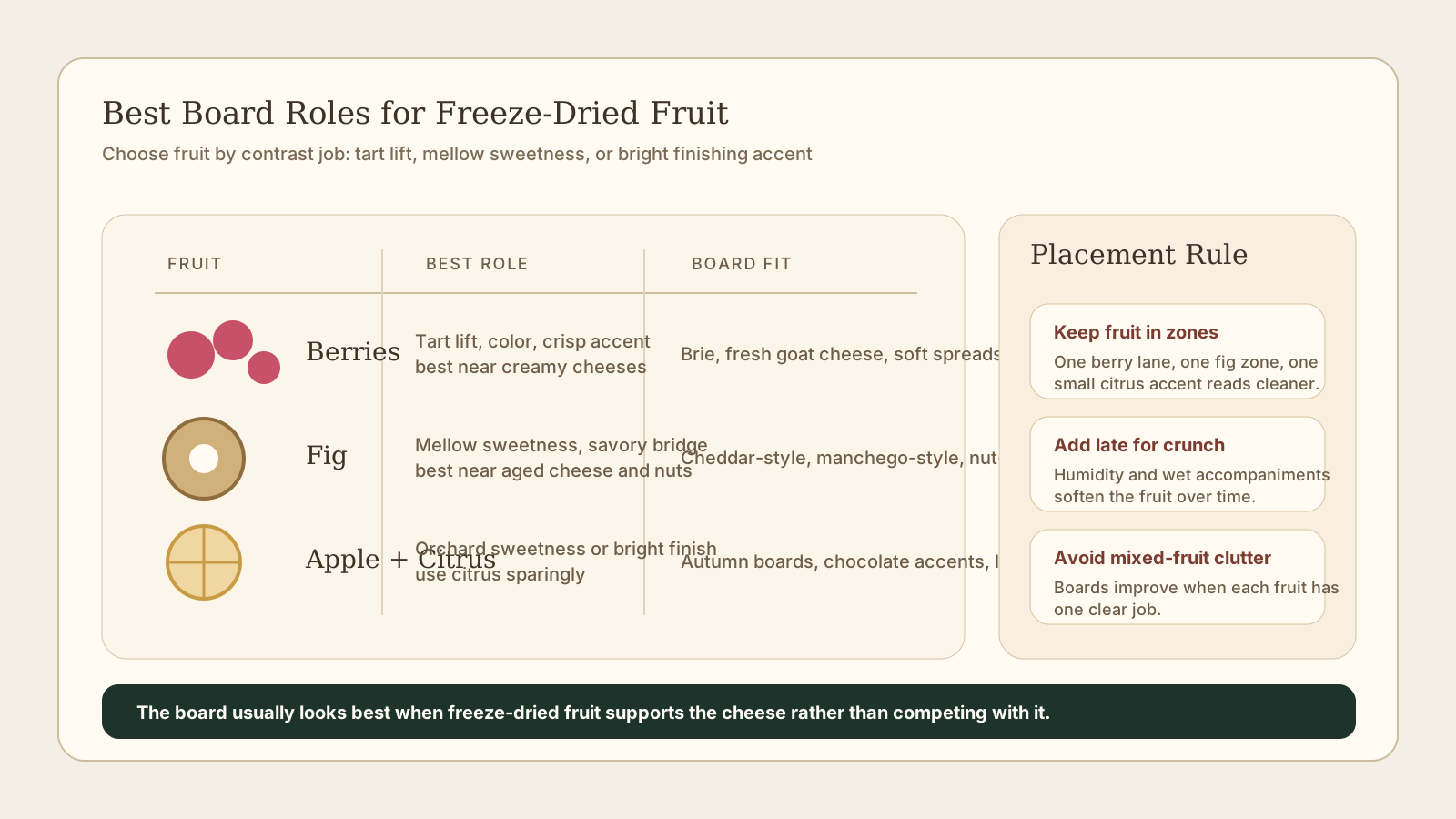
Creamy cheeses need lift. Freeze-dried berries are especially useful here because they cut richness without adding moisture to the board.
Strawberry
Strawberry is the easiest all-around choice. It is recognizable, attractive, and gentle enough for guests who do not want a sharply tart pairing. It works well with brie-style cheeses, whipped fresh cheese, mild goat cheese, and yogurt-coated snack elements.
Raspberry
Raspberry is the sharper choice. It brings more acid impression and more aromatic drama. That makes it especially good when the rest of the board is soft, creamy, or sweet-leaning. Use it more sparingly than strawberry because it can dominate quickly.
Blueberry
Blueberry is calmer and darker in tone. It works well when the board already has honey, toasted nuts, or darker crackers and you want fruit contrast without the bright acidity of raspberry.
Best choices for aged cheeses and nut-led platters
Boards built around aged cheeses, nuts, seeds, cured-snack elements, or grainier crackers usually benefit from a different fruit logic. The fruit should feel more grounded.
Fig
Freeze-dried fig is one of the strongest board fruits when the goal is mellow sweetness and a more savory-adjacent look. It pairs naturally with aged cheeses, almonds, walnuts, and seeded crackers. It also feels more deliberate than a generic berry sprinkle.
Apple
Apple works when the board wants a lighter orchard note rather than a jammy one. It is especially useful on autumn-leaning boards or on platters that already include cinnamon, cheddar-style cheeses, roasted nuts, or caramel notes.
Citrus accents
Lemon or orange work best as accents, not as the main fruit mass. A little citrus can brighten a rich board beautifully. Too much can make the whole board feel sharp and fragmented.
What makes a board look intentional
The best boards usually keep freeze-dried fruit in small, readable zones.
That might mean:
- one berry zone near creamy cheese
- one fig zone near aged cheese and nuts
- one small citrus accent near chocolate or candied elements
This arrangement works better than spreading every fruit everywhere because guests can understand the pairing logic visually before they take a bite.
It also helps the board stay clean. Freeze-dried fruit is brittle, and too much movement turns attractive pieces into dust at the edges.
When freeze-dried fruit is better than fresh
Fresh fruit brings juiciness and temperature relief. Freeze-dried fruit brings concentrated flavor and crunch without wetting crackers, cheese surfaces, or nut mixes.
That makes freeze-dried fruit especially useful for:
- portable platters
- picnic-style snack setups
- dry grazing tables
- office boards that need to sit briefly without becoming messy
It is also easier to portion precisely. One or two slices or a small crumble lane often does more work than a wet pile of grapes.
What usually disappoints
The weak move is using freeze-dried fruit only because there is empty space on the board.
Common misses include:
- oversized sweet chunks that feel disconnected from the cheese
- mixed-fruit blends with no clear pairing logic
- placing fruit too early on humid event tables
- using the same fruit everywhere regardless of cheese style
Boards are not improved by more fruit. They are improved by better contrast.
If maximum crunch matters, add freeze-dried fruit close to serving time and keep it away from wet dips, cut fresh fruit, or soft condiments until the last minute.
Simple pairing shortcuts
If you want a fast board-building rule set:
- use strawberry for broad appeal
- use raspberry for tart lift
- use blueberry for darker, calmer boards
- use fig for aged cheese and nuts
- use apple for orchard-style boards
- use citrus only as a finishing accent
That small framework handles most boards more cleanly than trying to use every fruit at once.
Bottom line
The best freeze-dried fruit for cheese boards and snack platters is fruit that plays one clear role: tart contrast, mellow sweetness, color, or crunch.
Strawberry, raspberry, blueberry, fig, apple, and small citrus accents are usually the strongest tools. Use them sparingly, place them deliberately, and the board will feel designed rather than decorated.
Frequently Asked Questions
What freeze-dried fruit works best on a cheese board?
Strawberry, raspberry, blueberry, fig, and apple are usually the safest choices. They add color and sweetness or tartness without overwhelming the rest of the board.
Which cheeses pair best with freeze-dried berries?
Creamy and mild cheeses usually benefit most because berry tartness gives them contrast. Goat cheese, brie-style cheeses, and fresh cheeses are especially easy matches.
Should freeze-dried fruit go on the board early or late?
Late is usually better if you want the strongest crunch. The fruit will slowly soften if it sits out in humid air or directly on moist accompaniments.
Is freeze-dried fruit better than fresh fruit on a snack platter?
It depends on the job. Fresh fruit brings juiciness. Freeze-dried fruit brings crispness, portability, and concentrated flavor. Many of the best boards use both, but for a dry snack platter freeze-dried fruit is often easier to control.
What freeze-dried fruit usually disappoints on a board?
Very bulky sweet chunks or mixed-fruit blends with no clear purpose can feel clumsy. Boards usually improve when the fruit is chosen for one role at a time.