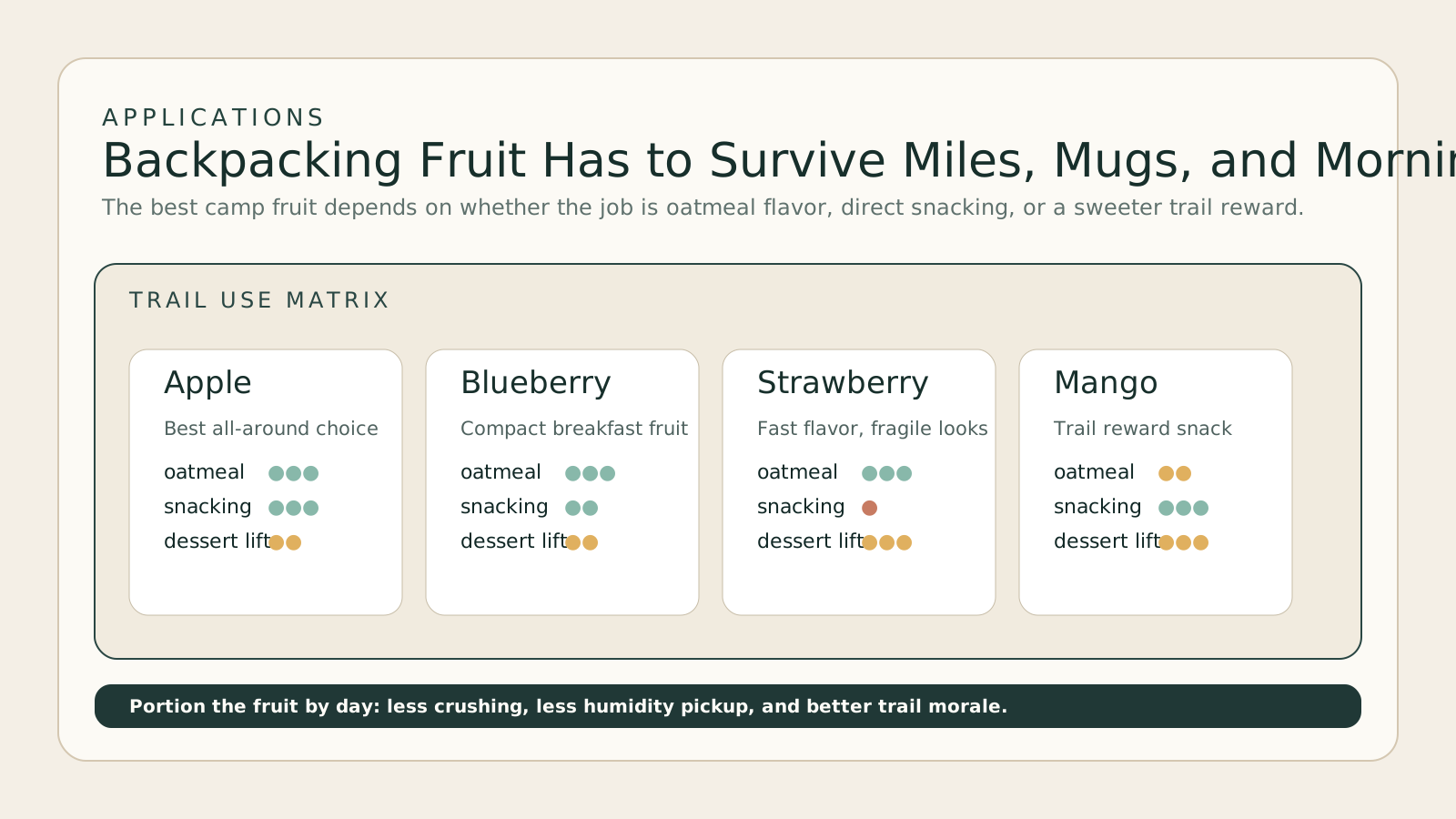
- Apple, blueberry, strawberry, and mango each solve a different camp problem rather than one fruit being best at everything.
- Small pieces and crumble usually work better for oatmeal and camp breakfasts, while sturdier pieces work better for direct snacking.
- Daily portions protect crunch better than carrying one large pouch in and out of damp morning air.
- The best backpacking fruit is the one matched to the job: fast breakfast flavor, all-day snacking, or a morale-boosting dessert accent.
Backpacking sounds like a perfect use case for freeze-dried fruit until the bag reaches mile six and the "premium pieces" become a pouch of crumbs.
That does not make freeze-dried fruit a bad trail food. It means the trail asks different questions than yogurt bowls, baking, or office snacking.
The direct answer
For backpacking breakfasts and camp snacks, the most practical freeze-dried fruits are usually apple, blueberry, strawberry crumble, and mango in controlled pieces. Apple and blueberry are the easiest all-around picks. Strawberry works best when the goal is fast flavor in oatmeal or desserts. Mango works best as a sweeter morale-boosting snack when the pack setup protects the pieces from too much crushing.
The real choice depends on the job:
- breakfast flavor
- direct snacking
- dessert or camp-treat lift
What the trail demands from freeze-dried fruit
Backpacking food gets judged by more than weight.
Freeze-dried fruit on trail has to manage:
- repeated pack movement
- temperature swings
- damp morning air
- awkward opening and resealing
- bowls or mugs that do not reward delicate garnish logic
That is why the best fruit for backpacking is not always the prettiest fruit in a home pantry. A premium large slice can be visually impressive and operationally weak. Smaller, less glamorous pieces often win outside.
Apple: the best all-around camp fruit
Freeze-dried apple is often the safest trail choice because it is easy to understand and easy to use.
It usually works well in:
- oatmeal
- granola
- hand-snacking
- simple dessert mixes
Why it works:
- mild sweetness that fits many camp foods
- relatively forgiving texture
- practical piece geometry
- less visual disappointment if some pieces break
Apple rarely feels dramatic, but that is part of its value. On trail, practical usually beats dramatic.
Blueberry: strong for breakfast and controlled snacking
Blueberry usually travels better than thin showpiece slices because the pieces are compact. That makes it a strong backpacking fruit for:
- oatmeal
- granola
- breakfast cups
- mixed snack bags
Blueberry also earns its place because a little goes a long way. You do not need a huge volume to make the bowl feel like fruit instead of plain starch.
The main caution is that whole berries can roll around a mug or pot if the breakfast format is sloppy. Halves, small berries, or a mixed berry crumble often handle better than oversized whole fruit.
Strawberry: best when flavor matters more than perfect shape
Strawberry is excellent for backpacking breakfasts because it rehydrates quickly and spreads flavor fast. It is less ideal when the goal is preserving beautiful large slices all weekend.
Best uses:
- oatmeal
- instant porridge
- camp desserts
- yogurt if the trip includes a cooler-based setup
Less ideal for:
- rough direct snacking from one large communal pouch
- trips where the bag will be opened many times in humid air
Strawberry wins when the fruit's job is to make camp food feel brighter, not when the fruit's job is to remain cosmetically impressive.
Mango: the reward snack
Freeze-dried mango often has the strongest morale value on trail. It feels sweeter, more treat-like, and more clearly like a standalone snack than many other fruits.
That makes it good for:
- dessert-style camp eating
- afternoon snack breaks
- sweeter breakfast mixes
The tradeoff is that mango can be bulky and some formats break awkwardly. Large fragile pieces are more satisfying in theory than in a tightly packed backpack. Smaller cubes or controlled chunks are usually the better trail format.
Format matters as much as fruit choice
Backpacking fruit decisions get better when format comes before romance.
Best for oatmeal and breakfast bowls
- crumble
- smaller pieces
- powder blended with a few visible bits
These formats distribute flavor quickly and do not require careful handling.
Best for direct snacking
- medium pieces
- compact whole or halved fruits
- fruits that do not become disappointing when slightly broken
These formats survive repeated opening better.
Best for dessert or "camp morale" use
- stronger-flavored fruits
- fruits with a clear sweet-tart payoff
- a small reserve portion used near the end of the day
This is where mango or strawberry can do more emotional work than apple.
Packing habits decide whether the fruit stays good
The same fruit can feel great or frustrating depending on how it is packed.
The best habit is dividing the fruit into small daily portions. That helps in three ways:
- less crushing from repeated handling
- less humidity exposure each time breakfast is made
- easier rationing across the trip
One giant family pouch is usually the wrong trail format even if the fruit itself is right.
If the fruit will be opened in cold mornings and warm afternoons for several days, portioning matters almost as much as fruit choice.
The simplest matching guide
Choose by use case:
- For dependable all-around use: apple
- For breakfast bowls and granola: blueberry
- For quick flavor in oatmeal or dessert: strawberry crumble
- For sweeter reward snacking: mango
If the trip is rough, wet, or long, bias toward sturdier and less delicate formats. If the trip is short and food enjoyment is part of the point, reserve one more exciting fruit for camp-dessert duty.
Bottom line
The best freeze-dried fruit for backpacking is usually the fruit that stays useful after the pack, the weather, and the opening pattern have done their worst. Apple and blueberry are the strongest defaults. Strawberry is better for breakfast flavor than for pristine looks. Mango is best when the trail snack is supposed to feel like a treat.
Choose the fruit by the camp job, not by the prettiest kitchen-bowl version of the product.
Frequently Asked Questions
What is the best all-around freeze-dried fruit for backpacking?
Apple and blueberry are usually the easiest all-around choices because they travel well, pair with common camp foods, and are less awkward to portion than showier or more fragile fruits.
Which freeze-dried fruit is best for backpacking oatmeal?
Apple, blueberry, and strawberry crumble are usually the most practical because they rehydrate pleasantly and spread flavor through the bowl without demanding careful plating.
How do you keep freeze-dried fruit from getting crushed on trail?
Use small daily portions, pack them near softer foods instead of the bottom of the pack, and avoid carrying one oversized bag that gets opened and compressed repeatedly.
Is freeze-dried fruit better than traditional dried fruit for backpacking?
It depends on the goal. Freeze-dried fruit is lighter, crisper, and easier to rehydrate into breakfast foods. Traditional dried fruit is usually tougher, denser, and less fragile for pocket snacking.
Which fruits are most likely to disappoint on trail?
Very fragile showpiece slices, heavily powdered bags sold as snack fruit, and fruits that need gentle handling to stay visually impressive often perform worse in a backpack than they do in a kitchen.