- Freeze-dried fruit fixes the wateriness problem in hand pies because you add water back on purpose, in a known amount, instead of fighting the juice that fresh fruit releases when baked.
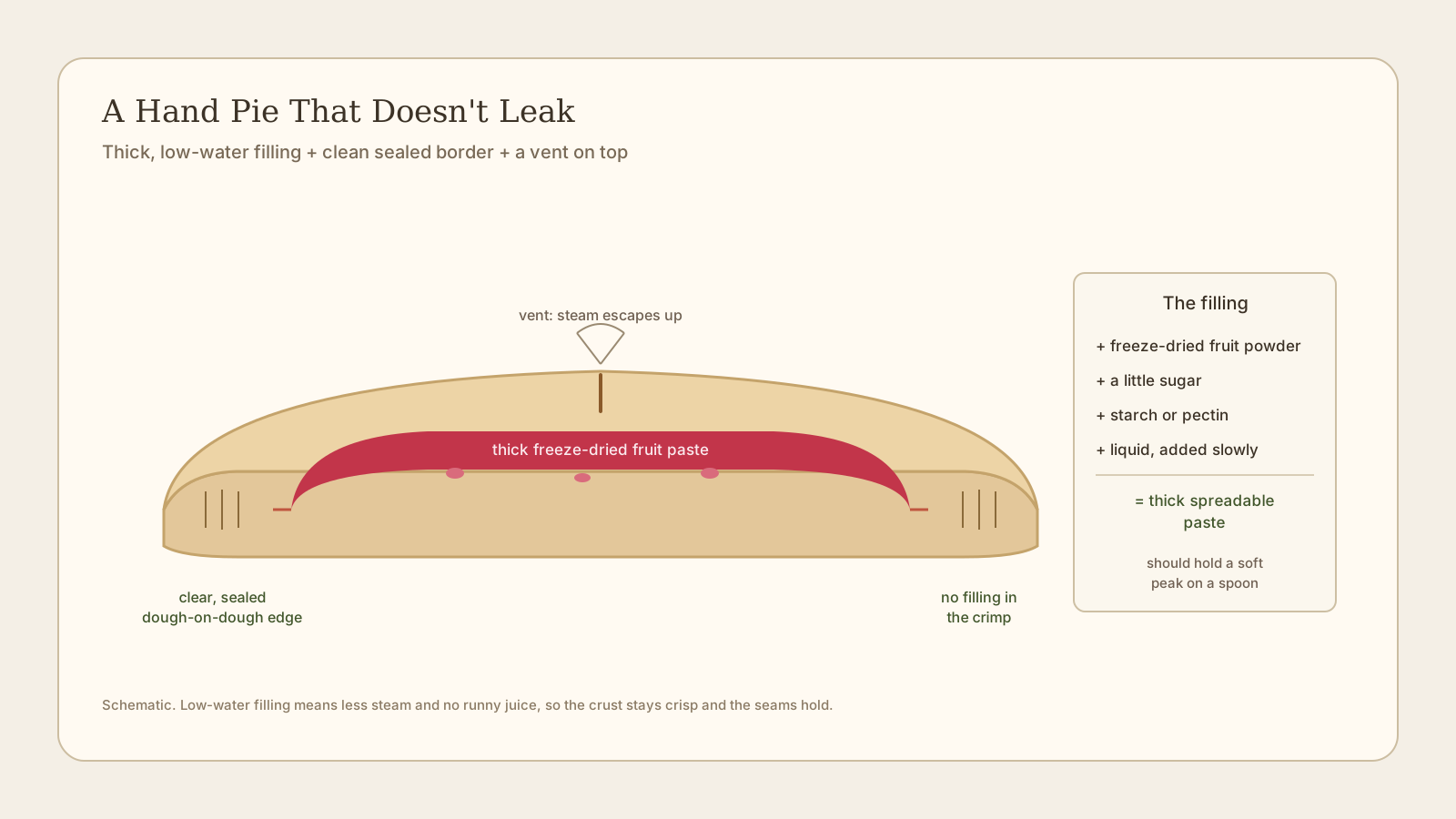
- For a thick, stable filling, blend freeze-dried fruit powder with a little sugar and a starch or pectin, then hydrate with just enough liquid to make a spreadable paste.
- Keep filling away from the edges, seal well, and vent the top, since a concentrated filling is sticky and will leak through any gap or unvented steam pocket.
Homemade pop-tarts and hand pies fail in a predictable way. The filling looks fine going in, then bakes into a thin, hot liquid that soaks the bottom crust and bursts out of one corner. What comes out of the oven is a soggy, leaking pastry with a scorched puddle on the tray.
The cause is almost always water. Fresh fruit holds a lot of it and releases it as it heats, and that water has nowhere good to go inside a sealed pocket of dough. Freeze-dried fruit flips the problem. It arrives with essentially no water, so instead of fighting juice you cannot control, you add back exactly the amount you want. That single change is what makes a clean, fruit-forward hand pie achievable at home.
Why freeze-dried fruit suits a sealed pastry
A hand pie is a closed system. Whatever water the filling contains is trapped, and when it boils it turns to steam and looks for a way out, usually the weakest seam. Fresh fruit fillings are mostly water by weight, so they generate a lot of steam and a lot of runny liquid.
Freeze-dried fruit lets you decide the water content of the filling rather than inherit it. You start from concentrated dry fruit with intense flavor and color, then hydrate it just enough to make a thick paste. The result is a filling that carries strong fruit taste without the flood of liquid, which is exactly what a sealed pastry needs.
Jam is the usual workaround, and it does solve the water problem, but at the cost of being mostly added sugar with a muted, cooked flavor. Freeze-dried fruit gets you the thick, stable behavior of jam with the bright taste of the fruit itself, and you control the sweetness.
The whole trick is controlling water. Fresh fruit forces water into a sealed pastry; freeze-dried fruit lets you add a known, small amount on purpose, so the filling stays thick and the crust stays crisp.
Building a filling that stays put
A good hand pie filling is closer to a thick spread than a sauce. Here is a reliable approach.
Start by turning your freeze-dried fruit into powder if it is not already, a few pulses in a blender or a crush in a bag works. Strawberry, raspberry, blueberry, mango, and cherry all work well; tart fruits like raspberry and cherry are especially good because the concentration intensifies their flavor.
Blend the powder with a little sugar to taste and a small amount of a thickener. A spoonful of cornstarch or a pinch of pectin gives the filling body once it is heated, so it sets rather than runs. Then add liquid slowly, water, juice, or a little lemon juice for brightness, stirring until you have a thick, spreadable paste, not a pourable sauce. The mistake to avoid is over-hydrating: it is easy to add more liquid and hard to take it out, so go slowly and stop while it is still stiff.
If you want some texture, fold in a few small pieces of freeze-dried fruit at the end. Keep them small, large pieces rehydrate unevenly and can poke through thin dough.
Assembly that doesn't leak
Even a perfect filling will escape through a bad seal. Assembly is where most hand pies are won or lost.
The key moves are simple:
- Leave a clear border. Place the filling in the center and keep a clean margin of dough all the way around. The seal has to be dough-on-dough; any filling caught in the crimp creates a channel for leaks.
- Use egg wash as glue. Brush the border with beaten egg or water before laying on the top, then press firmly. Crimp with a fork for both grip and looks.
- Vent the top. Cut a small slit or a few holes in the top crust. This gives steam a path straight up instead of building pressure that pops a side seam. For pop-tart shapes, the vent also keeps the top flat instead of ballooning.
- Chill before baking. Rest the assembled pies in the fridge for 15 to 20 minutes so the dough firms up. Cold dough holds its seal and its shape better in the first minutes of baking.
Bake on a lined tray at a moderately high temperature until the crust is golden. Because the filling is already thick and low in water, you are mostly baking the pastry, not trying to cook off excess liquid.
Before sealing, the filling should hold a soft peak on a spoon, like thick frosting. If it slumps flat or runs, stir in a little more fruit powder. A stiff filling at assembly is the single best predictor of a pie that doesn't leak.
Finishing pop-tarts
If you are going for the pop-tart look, a glaze finishes the job and is another good use of freeze-dried fruit. Whisk a little fruit powder into a simple powdered-sugar-and-milk icing to get a naturally colored, fruit-flavored glaze that matches the filling. Spread it on the cooled pastries and, if you like, dust a little extra fruit powder or a few crushed pieces on top before the glaze sets.
Because the glaze flavor comes from the same fruit as the filling, the result tastes coherent rather than generically sweet, and the color comes from the fruit itself rather than added dye.
Bottom line
Freeze-dried fruit makes homemade pop-tarts and hand pies work because it puts you in charge of the one variable that ruins them: water. Instead of a watery fresh-fruit filling that soaks the crust and bursts the seams, you build a thick, intensely flavored paste with a known, small amount of liquid.
Keep the filling stiff, seal it with a clean dough border and a firm crimp, vent the top, and chill before baking. Do that and you get a crisp pastry with a bright, fruit-forward filling that stays exactly where you put it, plus an easy matching glaze if you want the full pop-tart effect.
Frequently Asked Questions
Why use freeze-dried fruit instead of fresh or jam in hand pies?
Fresh fruit releases water as it bakes, which makes the filling runny and soaks the bottom crust. Jam solves the water problem but is mostly added sugar and can boil out through any gap. Freeze-dried fruit lets you start from concentrated, dry fruit and add back exactly the amount of liquid you want, so you get strong fruit flavor with a filling thick enough to stay where you put it.
Should I use powder or pieces?
For a smooth, spreadable filling that seals well, powder is easier to control, blend it with sugar and a thickener and hydrate to a paste. Pieces work too but rehydrate unevenly and can create lumps that poke through the dough or leave dry spots. A mix of mostly powder with a few small pieces for texture is a good compromise.
How do I keep the filling from leaking out?
Three things: keep the filling thick (use a starch or pectin and don't over-hydrate), leave a clear border of dough around the filling so the seal is fruit-free, and crimp firmly with egg wash between the layers. Cut a small vent in the top so steam escapes upward instead of forcing a seam open.
Can I make these ahead?
Yes. Assembled, unbaked hand pies freeze well, bake from frozen with a few extra minutes. The filling paste can also be made a day ahead and refrigerated; it will firm up, so let it come to a spreadable temperature before assembling. Baked pies keep a day or two but the crust is best fresh.
Primary sources & further reading
- Water Activity (aw) in Foods U.S. Food & Drug Administration Referenced for the general principle that freeze-dried fruit is very low in moisture and reabsorbs water readily, which is why hydration must be controlled.
- Starch gelatinization and thickening in food ScienceDirect Topics Referenced for the role of starch in thickening fruit fillings when heated with liquid.
External links open in a new tab. We do not receive compensation from any organization listed; sources are referenced because they are primary, current, and publicly verifiable.