- Freeze-dried fruit, blitzed to powder, adds concentrated flavor, color, and natural thickening to a fresh or cooked purée, so the leather sets with less reduction.
- Use it two ways: stir powder into a fresh purée to intensify and thicken it, or rebuild a purée mostly from powder and water when fresh fruit is out of season.
- Spread thin and even on a lined tray, dry low in an oven or dehydrator until tacky but not brittle, and the powder-boosted mix usually reaches that point faster.
- Because freeze-dried fruit is already intense, you often need little or no added sugar — taste the purée before adding any.
Homemade fruit leather has a reputation for being slow. The classic method is to simmer fresh fruit for ages, cook off most of the water, then spread the thick purée and dry it for hours more. The result is good, but the time and the watery starting point are the friction.
Freeze-dried fruit changes the math. It is fruit with the water already gone, so a spoonful of powder is concentrated flavor, color, and natural thickening you can stir straight into a purée. Used well, it makes a brighter-tasting leather, faster, and usually with less sugar.
The direct answer
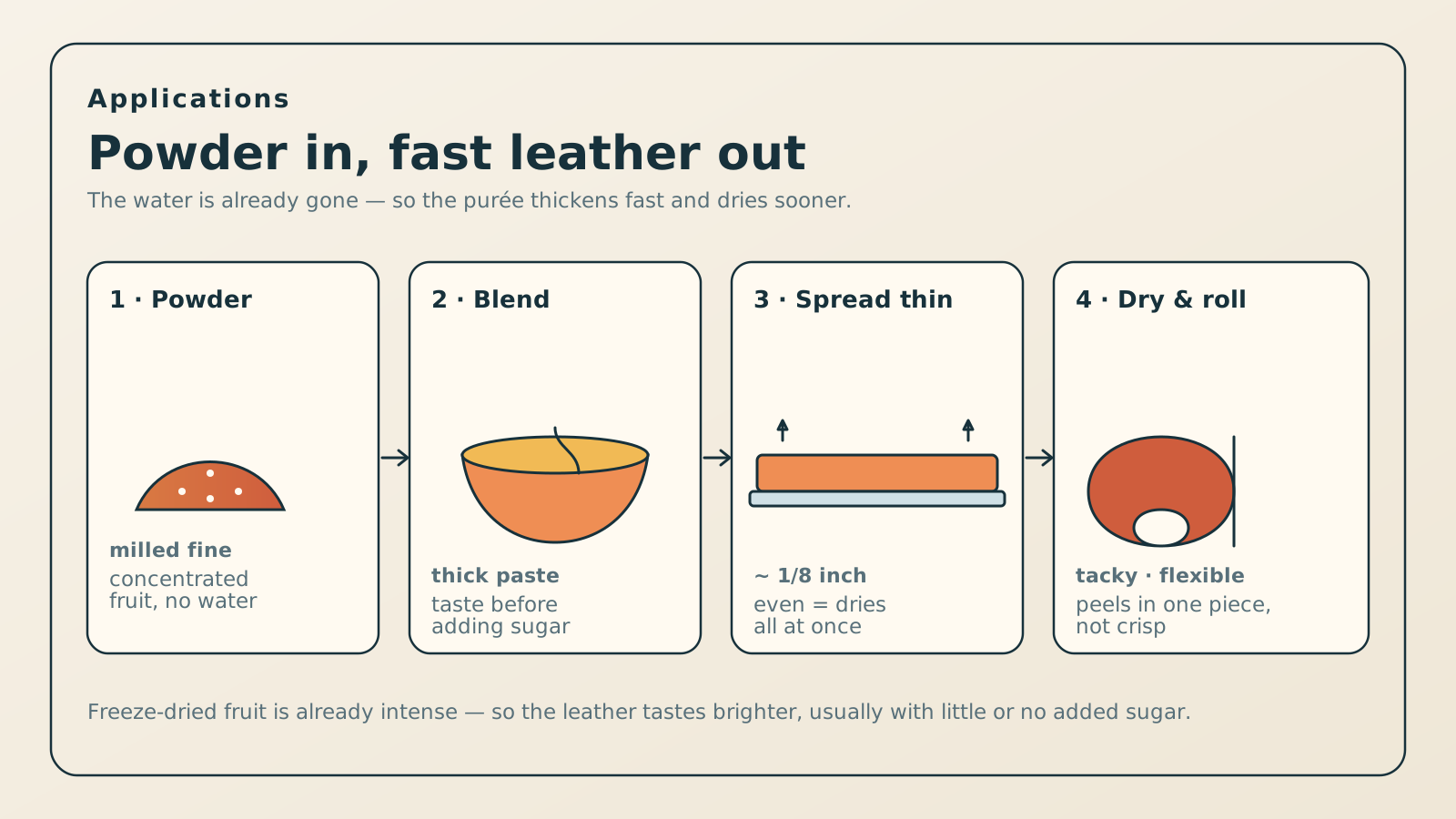
Blitz freeze-dried fruit into a powder and use it to boost a purée. You can stir the powder into a fresh purée to intensify and thicken it, or rebuild a purée almost entirely from powder and water when good fresh fruit is not around. Either way, spread the mix thin and even on a lined tray and dry it low until it is tacky and flexible.
Because the powder adds concentrated fruit without adding water, the mix is thicker to start with, so it reaches the peel-away stage sooner than a purely fresh purée would. And because freeze-dried fruit is already intense, you rarely need much added sugar.
Why freeze-dried fruit is a good fit
Fruit leather is really just fruit purée with most of the moisture removed and the rest set into a flexible sheet. The slow part of the traditional method is removing that moisture by cooking and then by drying. Freeze-dried fruit short-circuits the front half of that work: the water is already out.
That gives you two advantages at once. The flavor is concentrated, so the leather tastes more of the fruit rather than of cooked-down sweetness. And the powder thickens the purée on contact, so you spend less time reducing and less time drying.
Grind the freeze-dried fruit to a fine powder before adding it. Whole or broken pieces will not hydrate evenly into a purée and can leave gritty spots in the finished sheet. A quick blitz in a blender or spice grinder is enough.
Method one: boost a fresh purée
This is the everyday version when you have fresh or frozen fruit on hand.
- Purée the fruit. Blend fresh or thawed fruit smooth. Cook it briefly if it is firm or very watery, but you do not have to reduce it for long.
- Stir in powder to thicken and intensify. Add freeze-dried fruit powder a spoonful at a time until the purée is the texture of a thick yogurt and the flavor pops. The same or a complementary fruit works well — strawberry powder into a strawberry-apple base, for instance.
- Taste before sweetening. Freeze-dried fruit brings its own sweetness, so check first and add only a little honey or sugar if the fruit is tart.
The powder is doing two jobs: lifting the flavor and removing the need to cook off so much water.
Method two: rebuild a purée from powder
When fresh fruit is out of season or you just want the convenience, you can build the purée mostly from powder.
- Hydrate the powder. Whisk freeze-dried fruit powder with a little water, adding water gradually until you have a smooth, spreadable paste — thick enough to hold a line when you drag a spoon through it.
- Add a little fresh fruit if you have it. A small amount of mashed fresh fruit improves the pliability and gloss of the finished leather, but it is optional.
- Adjust the consistency. Too thin and it pools and dries unevenly; too thick and it cracks. Aim for a spreadable paste, not a runny liquid.
This route is genuinely convenient: shelf-stable powder plus water, no shopping for ripe fruit.
Spreading and drying
However you build the purée, the finishing steps are the same and they decide the result.
- Spread thin and even. Use a lined tray or a dehydrator sheet and spread to roughly an eighth of an inch, as uniform as you can make it. Uneven thickness is the single biggest cause of a leather that is dry at the edges and still wet in the middle.
- Dry low and slow. A low oven or a dehydrator works. You are evaporating moisture gently, not baking, so keep the heat low.
- Stop at tacky and flexible. It is done when the surface is no longer sticky and the whole sheet peels away in one pliable piece. If it snaps, it went too far toward crisp.
- Cut and roll. Peel, cut into strips against a piece of parchment, and roll. Store the rolls airtight; like the freeze-dried fruit it came from, the leather keeps best away from humidity.
A few combinations that work
Freeze-dried fruit makes mixing flavors easy because you are adding concentrated fruit, not more water:
- Strawberry-apple: apple purée as the flexible, mild base with strawberry powder for color and punch.
- Mango-banana: mashed banana for body, mango powder for tropical intensity and a deep orange.
- Mixed berry: any berry purée lifted with raspberry or blueberry powder for a tart, vivid sheet.
Apple and banana are useful bases because they are naturally pliable when dried; the freeze-dried powder is what brings the bright top note.
Bottom line
Freeze-dried fruit, ground to powder, turns fruit leather from a long reduction project into a quick one. Stir it into a fresh purée to intensify and thicken, or rebuild a purée from powder and water when fresh fruit is scarce. Spread thin and even, dry low until tacky and flexible, and taste before adding sugar — the fruit is already concentrated, which is exactly why it works.
Frequently Asked Questions
Can I make fruit leather entirely from freeze-dried fruit?
Almost. You rebuild a purée by blending freeze-dried fruit powder with water (and optionally a little fresh fruit) until it is a smooth, spreadable paste, then dry it as usual. The powder supplies the fruit; the water lets you spread it thin and re-dry it into a flexible sheet.
Why add freeze-dried fruit to a fresh purée at all?
Fresh purée is watery, so it normally needs long cooking to thicken and concentrate. Freeze-dried fruit powder is concentrated fruit with the water already removed, so stirring it in intensifies flavor and color and thickens the mix, cutting the drying time.
Do I still need to cook the fruit?
Not necessarily. A no-cook version blends fresh fruit (or water) with freeze-dried powder and dries it straight away. Cooking can help break down firmer fruit and improve spread, but the powder route lets you skip a lot of the reduction step.
How thin should I spread it, and how do I know when it's done?
Spread an even layer roughly an eighth of an inch thick on a lined tray. It is done when the surface is no longer sticky and the sheet peels away in one flexible piece — tacky and pliable, not crisp. Uneven thickness is the main cause of some spots being done while others stay wet.
Do I need to add sugar?
Often no. Freeze-dried fruit is already sweet and intensely flavored, so taste the purée first. Add a little honey or sugar only if the fruit is tart, and remember sugar also affects how the leather sets and keeps.
Primary sources & further reading
- How to Prevent Foodborne Illness: Drying / Dehydrating Foods National Center for Home Food Preservation Referenced for general home-drying guidance on preparing and drying fruit leathers safely.
- Water Activity (aw) in Foods U.S. Food & Drug Administration Referenced for the framing of available moisture, which governs how a finished leather keeps once dried and stored.
External links open in a new tab. We do not receive compensation from any organization listed; sources are referenced because they are primary, current, and publicly verifiable.