- Secondary drying is the stage that removes harder-to-release residual moisture after most visible ice is already gone.
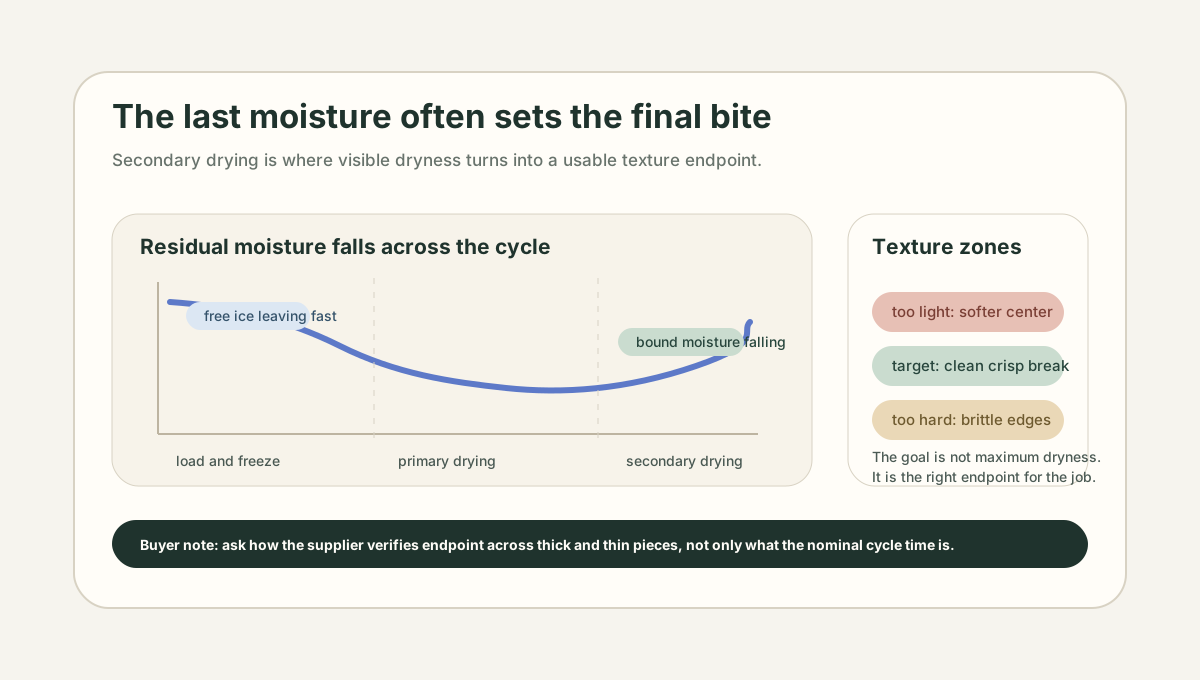
- If secondary drying is too light, fruit may test close to target yet still feel softer, less stable, or more variable across the lot.
- If secondary drying is too aggressive, thin pieces can become more brittle than the application needs.
- Texture targets should be discussed as a balance among cut size, fruit composition, endpoint verification, and the intended use of the finished fruit.
A tray can look dry long before the product is fully ready. In freeze-dried fruit, that last stretch of the cycle often decides whether the pieces finish light and crisp or end up drifting toward softness, fragility, or lot-to-lot inconsistency.
That is why secondary drying matters. It does not usually get the same attention as freezing or primary drying, yet it is a decisive control for the residual moisture, stability, and final eating quality buyers actually notice.
The direct answer
Secondary drying sets the final bite of freeze-dried fruit by reducing the residual moisture that remains after most visible ice has already left the product. That last moisture reduction helps define whether the fruit finishes clean and crisp, slightly soft, or overly brittle.
In practical terms, this is the stage where "looks dry" becomes "behaves dry enough for the intended use."
What secondary drying is really doing
During the main sublimation stage, frozen water leaves the fruit as vapor under vacuum. That is the dramatic part of freeze-drying, and it creates most of the porous structure people associate with a crunchy piece.
But that is not the entire moisture story.
Once the obvious ice is gone, some moisture still remains more closely associated with sugars, acids, fibers, and cell-wall material inside the fruit. Secondary drying—also called desorption drying—is the part of the process that reduces that remaining, non-frozen water so the final product reaches a more reliable endpoint.
For texture, this matters because the fruit is no longer being judged only by whether it dried. It is being judged by:
- how cleanly it fractures
- how uniform the bite feels from piece to piece
- how well it resists early softening in the pack
- how predictable it stays in the intended format
Why the last moisture matters so much
Freeze-dried fruit texture is not controlled by total water alone. It is controlled by where that water still sits inside the structure and how available it is to change the texture.
That is why a lot can seem close to target and still disappoint in use. When secondary drying is too light, the fruit may:
- feel slightly denser than expected
- soften faster after packing or first opening
- show more piece-to-piece inconsistency
- create disputes about whether the lot is truly finished
The opposite problem exists too. If secondary drying is pushed too far for a delicate format, the structure can become more fragile than necessary. Thin slices and highly porous pieces may shatter more easily in handling, transport, or filling.
The goal is not simply "as dry as possible." The goal is a defensible endpoint for the right texture outcome, confirmed with appropriate moisture and water-activity checks rather than appearance alone.
Why fruit and cut format change the answer
Secondary drying should not be discussed as one universal setting.
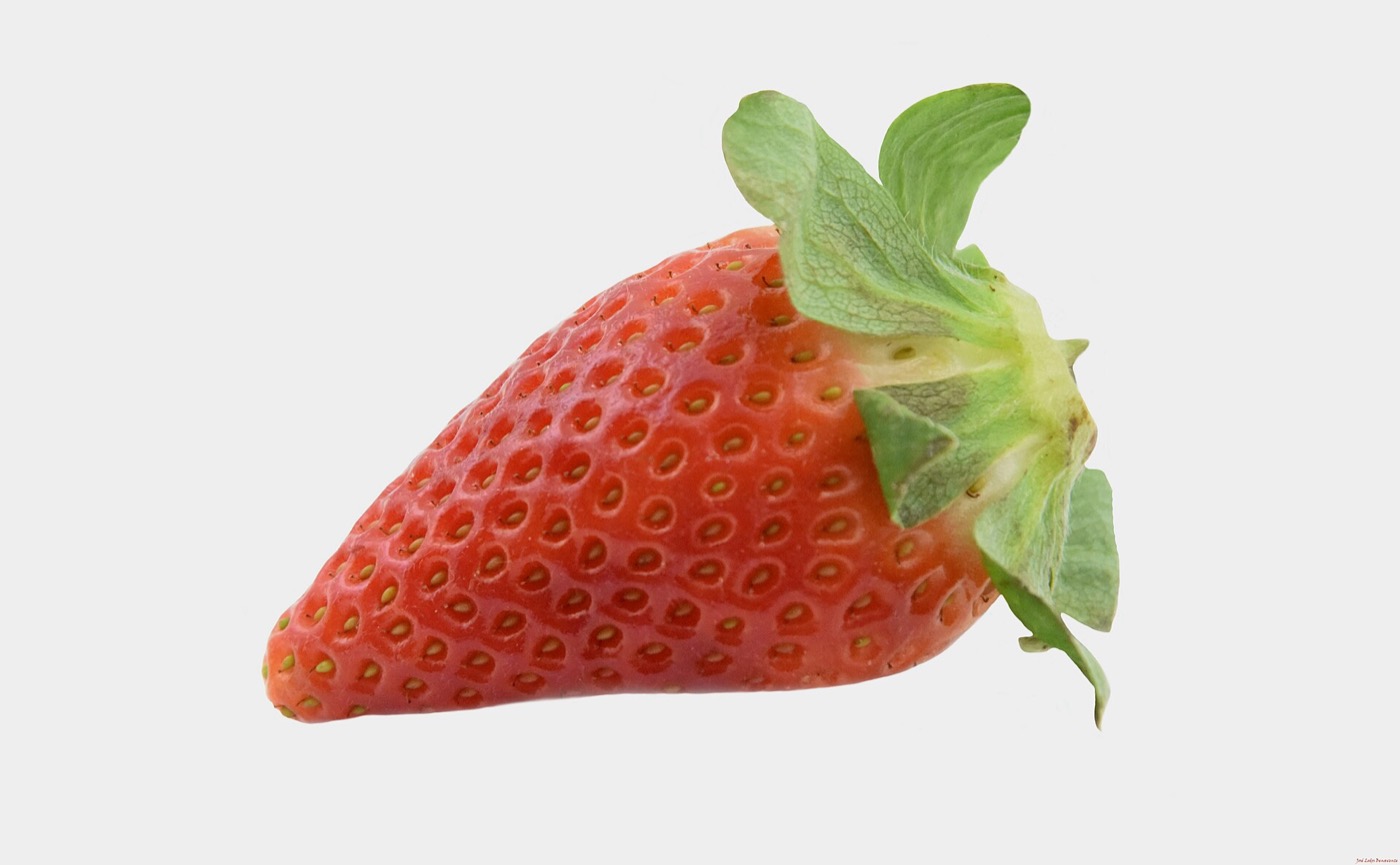
Different fruits hold water differently because their solids, acidity, fiber, sugar profile, and tissue structure are different. A strawberry slice, a mango cube, and a blueberry half do not reach the same commercial texture target in the same way.
Cut format matters just as much:
- thin slices tend to move faster and can become brittle sooner
- thick dices need more care to avoid center softness
- mixed-format lots make endpoint decisions harder
- crumble and powder formats may tolerate a different texture target than premium whole pieces
This is why strong processors connect secondary drying to format control. The cycle is not just a machine setting. It is part of product design. Published fruit-cube work also shows that structure and composition can change collapse and crispness outcomes, so a cycle developed for one fruit or cut is not automatically transferable to another.
What under-dried and over-dried fruit usually looks like
Suppliers do not need to publish proprietary cycle details to speak credibly about endpoint control. They should, however, be able to explain what they are protecting against.
When secondary drying is too light, the finished fruit may show:
- softer centers
- a less crisp break
- texture drift after sealing
- more variation across tray positions or piece sizes
When secondary drying is too aggressive, the lot may show:
- extra brittleness in thin pieces
- higher breakage during packing
- more bottom-of-bag fines
- a texture that feels dry in a harsh rather than clean way
Those are not the only causes of these defects, but they are common process consequences buyers should keep in mind.
Why endpoint verification matters more than cycle time bragging
Commercial conversations often focus on throughput. Faster cycles sound efficient, but speed only matters if the endpoint is still being verified with discipline.
Useful supplier questions include:
- How do you confirm the endpoint across different tray positions?
- How do you adjust for whole pieces versus smaller fragments?
- Do you measure both moisture content and water activity?
- How do you prevent thin pieces from becoming too fragile while thicker pieces still finish properly?
- What changes when you run a high-sugar fruit versus a lower-sugar fruit?
If the answer is only a nominal cycle time, the process explanation is incomplete.
What this means for buyers and product developers
For buyers, secondary drying should be understood as a texture-control stage, not an abstract technical term.
If your use case depends on:
- visible whole pieces
- low breakage in a pouch
- clean crunch in a topping
- stable performance in a snack mix
then secondary drying decisions matter even if you never see the chamber.
For product developers, the implication is straightforward: specify the use case, not just the fruit. A topping piece, a whole-piece snack, and a powder input may all need different endpoint priorities even when they come from the same raw material.
If a supplier can discuss moisture and water activity but cannot explain how the endpoint connects to the intended texture and breakage target, keep asking questions. A strong technical answer connects the numbers to the physical eating experience.
Bottom line
Secondary drying sets the final bite of freeze-dried fruit because it is the stage where residual moisture is reduced enough to lock in the intended texture. Too little can leave softness and inconsistency behind. Too much can create unnecessary brittleness.
The best technical conversations treat secondary drying as part of texture design. The question is not whether the fruit was dried. The question is whether it was finished for the job the fruit is supposed to do.
Frequently Asked Questions
What is secondary drying in freeze-dried fruit?
Secondary drying is the later part of the freeze-drying cycle where residual moisture that is more tightly associated with the fruit matrix is reduced after most free ice has already been removed. It is one of the main stages that helps set the final crispness and stability of the product.
Why can freeze-dried fruit look dry but still eat soft?
Because visible dryness does not guarantee that the remaining moisture distribution is where it needs to be. A piece can look finished on the outside while still carrying enough residual moisture to feel softer, denser, or less consistent in the final bite.
Does more secondary drying always mean better texture?
No. Too little secondary drying can leave fruit soft or variable, but too much can make thin or delicate pieces excessively brittle. The right endpoint depends on fruit type, cut geometry, and the intended application.
Which fruits are most sensitive to secondary drying decisions?
Dense or sugar-rich fruits, fruits with broad size variation, and formats that mix thin fragments with thicker pieces often show the strongest secondary-drying tradeoffs. The more uneven the structure, the more important careful endpoint control becomes.
What should buyers ask suppliers about secondary drying?
Ask how the drying endpoint is verified, how thickness variation is controlled, whether the supplier measures moisture and water activity together, and how the cycle is adjusted for different fruits or piece formats.
Primary sources & further reading
- The Freeze-Drying of Foods—The Characteristic of the Process Course and the Effect of Its Parameters on the Physical Properties of Food Materials Foods Peer-reviewed review used for the distinction between primary drying and secondary desorption, and for the links among residual water, glass transition, structure, and storage stability.
- Effects of cell morphology on the textural attributes of fruit cubes in freeze-drying: Apples, strawberries, and mangoes as examples Journal of Texture Studies Original fruit-cube study referenced for how fruit structure and composition influence collapse and crispness outcomes during freeze-drying.
External links open in a new tab. We do not receive compensation from any organization listed; sources are referenced because they are primary, current, and publicly verifiable.