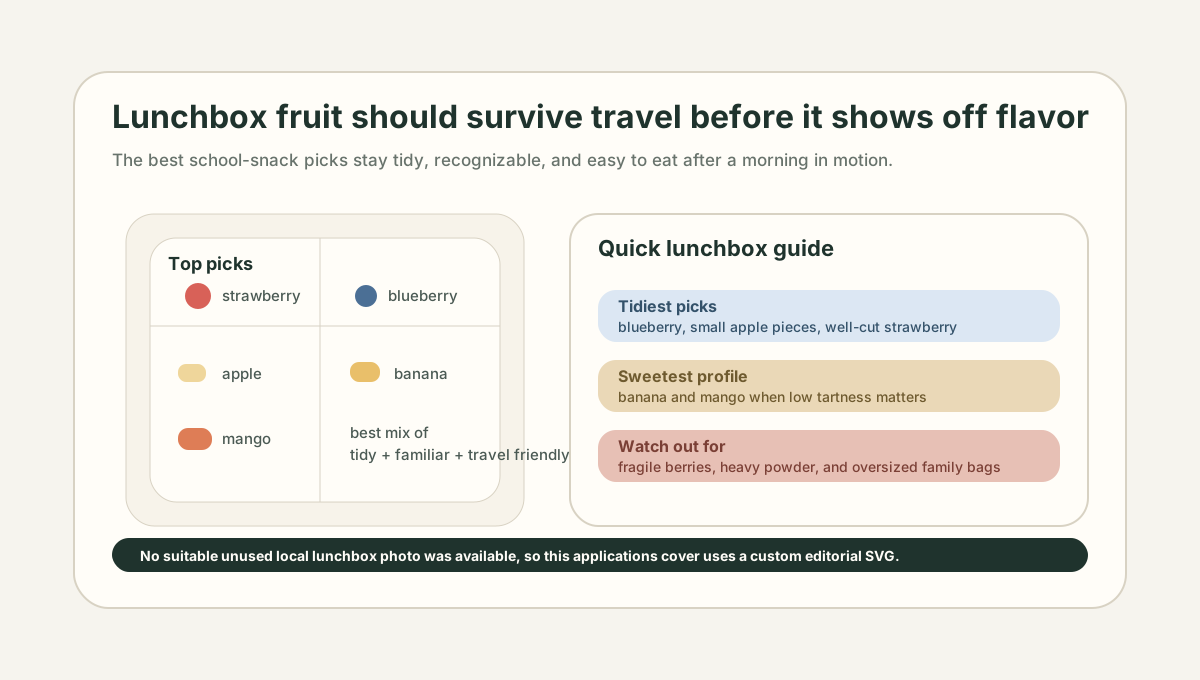
- Strawberry, blueberry, and apple are the easiest all-around lunchbox choices because they balance familiarity, manageable mess, and recognizable flavor.
- Banana and mango work well when the goal is a sweeter, softer-acid snack profile.
- Highly fragile berries and heavy bottom-of-bag powder are less ideal when the pouch will be shaken around before eating.
- Single-serve packs or small airtight containers protect texture far better than loosely packed large bags.
Lunchbox fruit is a different category from bowl toppings, baking inclusions, or trail-mix mix-ins. It has to survive travel, look recognizable when opened, and be easy to eat without needing a spoon or a countertop.
That changes which freeze-dried fruits perform best.
The direct answer
For most lunchboxes and school-snack situations, the best freeze-dried fruit choices are strawberry, blueberry, and apple. They balance familiarity, tidy eating, and recognizable flavor. Banana and mango are strong alternatives when the goal is a sweeter, gentler fruit profile.
The wrong lunchbox fruit is usually not the fruit with the weakest flavor. It is the fruit that becomes too dusty, too fragile, too tart, or too awkward to snack on by hand after a morning in motion.
Lunchbox fruit needs to do four things well
A useful lunchbox fruit should be:
- easy to recognize
- easy to pick up
- resilient enough for ordinary movement
- appealing after a few hours in the container
That sounds obvious, but it explains why some technically excellent freeze-dried fruits perform better in a yogurt bowl than they do in a backpack.
The lunchbox is a travel format first and a flavor format second.
Strawberry is the safest general pick
Freeze-dried strawberry works because most eaters understand it instantly. The flavor reads clearly, the color is friendly, and the piece format usually feels like a real snack rather than an ingredient.
Best for:
- general school snacks
- fruit-only snack boxes
- mixed lunchboxes where the fruit needs visual appeal
Watch for:
- overly fragile thin slices
- heavy powder at the bottom of the bag
When the cut is controlled, strawberry is hard to beat as the default answer.
Blueberry is tidy and backpack-friendly
Blueberry is often the cleanest lunchbox performer because the pieces are compact and easy to portion. They usually scatter less than more fragile berries and feel natural as finger food.
Best for:
- smaller snack containers
- younger eaters who prefer bite-sized fruit
- lunchboxes where crush resistance matters
Blueberry may not look as dramatic as strawberry, but it often behaves better after a morning of movement.
Apple is underrated for lunchboxes
Apple does not always get the same attention as colorful berries, but it is a very practical school-snack fruit.
It usually offers:
- mild sweetness
- low mess
- easy hand-snacking
- good compatibility with crackers, cheese, or simple snack pairings
It is especially useful when the eater wants fruit that feels familiar without strong tartness.
Banana and mango are the sweeter choices
Some lunchbox situations call for a softer-acid fruit profile. That is where banana and mango tend to work well.
Banana is a strong choice when you want:
- sweet, familiar flavor
- minimal tartness
- easy kid appeal
Mango is useful when you want:
- a sweeter tropical note
- more aroma than apple or banana
- fruit that feels a little more special without becoming difficult
The tradeoff is that these fruits can feel richer and slightly more substantial, so portioning matters.
Which fruits are less ideal for rough travel
Some fruits are delicious but trickier in lunchboxes.
These often include:
- highly fragile raspberries
- brittle blackberries
- very delicate large slices
- packs with a lot of bottom-of-bag fines
That does not make them bad products. It means they work better when:
- the pack is protected
- the eater does not mind crumble
- the fruit is being added to something else instead of eaten plain
If the goal is a neat hand snack during a short school break, tidy structure matters more than berry drama.
The pack format matters almost as much as the fruit
A good fruit in a weak package can still become a bad lunchbox snack.
The most practical options are:
- single-serve pouches
- small airtight containers
- portioned snack cups with good lids
These formats reduce:
- repeated humidity exposure
- crush damage
- unnecessary handling
By contrast, reaching into a large family bag every morning slowly degrades the whole supply. The fruit at the end of the week is often dustier and softer than the fruit at the beginning.
Match the fruit to the lunchbox style
Different lunchboxes reward different fruit choices.
For a simple fruit-only snack
Choose:
- strawberry
- blueberry
- apple
These are the easiest crowd-pleasers.
For a sweeter snack box
Choose:
- banana
- mango
- apple
These read gentler and less tart.
For a more adventurous eater
Choose:
- mango
- tart berries in small amounts
- mixed-fruit assortments with clear piece identity
The key is still keeping the format tidy.
Ingredient simplicity still matters
Lunchbox shoppers often want freeze-dried fruit because it feels simpler than many snack alternatives. If that is the goal, the ingredient line still deserves the first look.
Check whether the bag is:
- fruit only
- fruit plus sugar
- fruit plus acids, flavors, or other additions
That does not mean every formulated product is wrong. It means the simplest lunchbox comparison should stay simple.
How to portion it so it still tastes good later
The best practical routine is:
- Portion the fruit into small packs.
- Seal it well.
- Keep it away from damp items inside the lunchbox.
- Use the portion size that will likely be finished in one sitting.
That protects the crunch and keeps the snack from looking tired by lunchtime.
If the fruit is going to be shaken, stacked, and carried for hours, tidy structure and pack protection matter more than choosing the most intense fruit variety.
Bottom line
The best freeze-dried fruit for lunchboxes and school snacks is usually strawberry, blueberry, or apple, with banana and mango as sweeter alternatives. These fruits travel well, read clearly as snacks, and are easy to portion.
For everyday use, choose the fruit that stays recognizable, tidy, and appealing after a morning in motion. That is usually a better lunchbox decision than chasing the boldest flavor.
Frequently Asked Questions
What is the best freeze-dried fruit for lunchboxes?
For most lunchboxes, strawberry, blueberry, and apple are the easiest all-around picks because they are familiar, easy to recognize, and less likely to feel awkward as a dry hand snack.
Which freeze-dried fruit is least messy in a backpack?
Blueberry and small apple pieces are usually tidier than fragile raspberries or very delicate slices. The pack style matters too: a small rigid container or well-sealed single-serve pouch usually reduces crush damage more than fruit choice alone.
What if the child prefers sweeter fruit and less tartness?
Banana and mango are usually the gentler options when you want a sweeter fruit snack with less sharp acidity than raspberry, cranberry, or some strawberry products.
Should freeze-dried fruit be packed in a big family bag?
Usually no. Large bags invite repeated humidity exposure and more crush damage. Lunchbox use is cleaner when the fruit is portioned into small packs or airtight containers.
What should shoppers check before buying freeze-dried fruit for school snacks?
Check the ingredient list first if you want plain fruit, then look at piece size, bottom-of-bag powder, and pack durability. The best lunchbox fruit is the one that still looks appealing after a morning in motion.