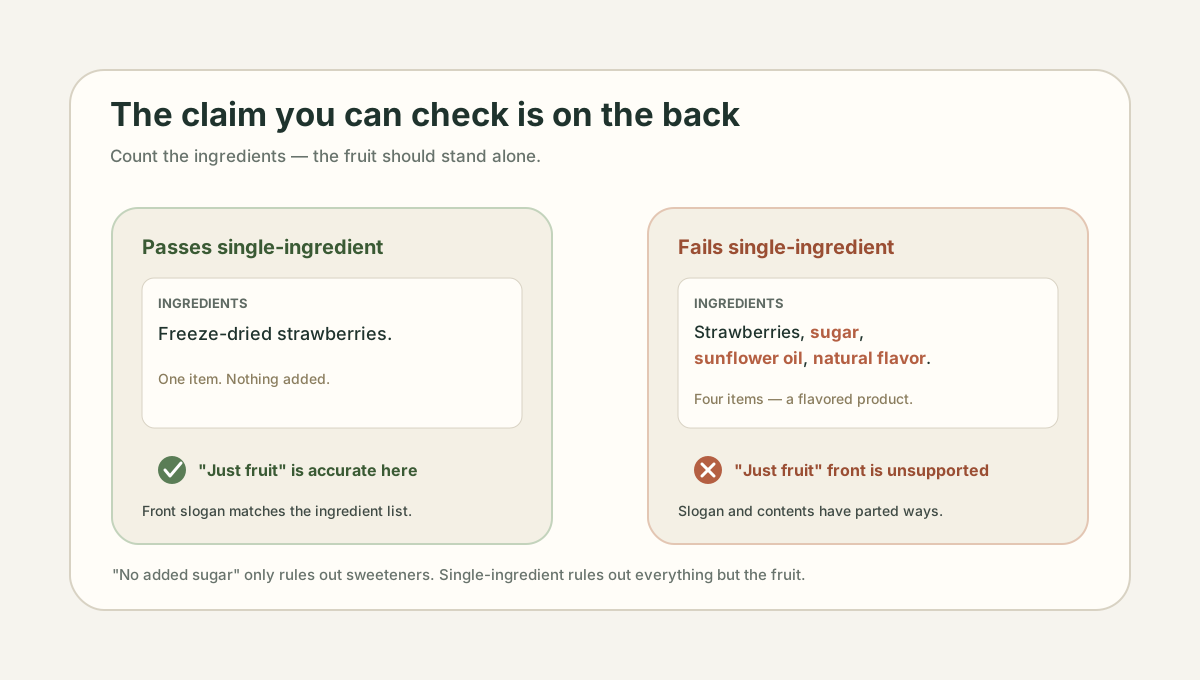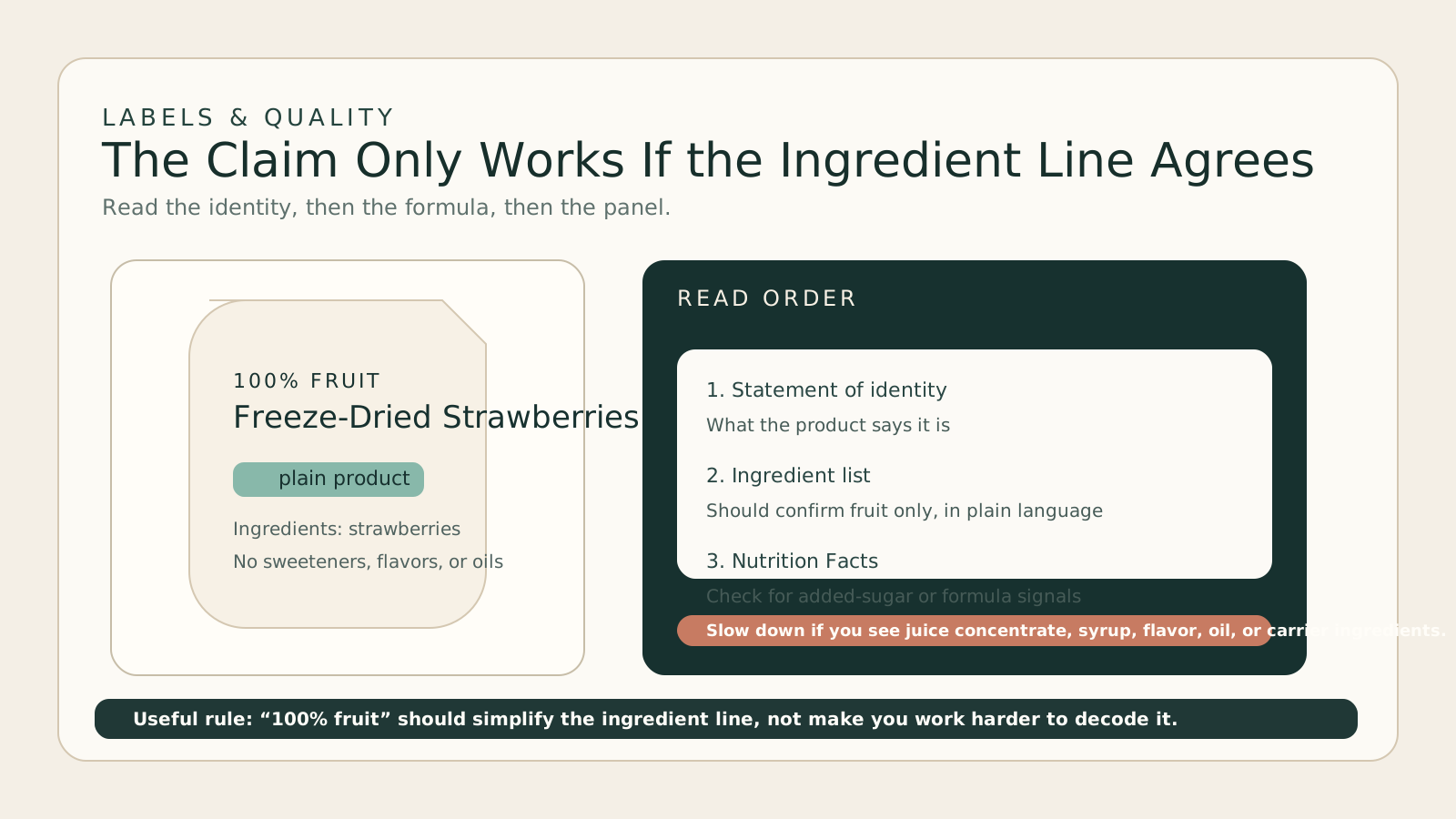
- Plain, single-ingredient freeze-dried fruit with no added sugar is the simplest choice for young children, so read the ingredient list before the front of the pack.
- Pieces that dissolve readily, like strawberries, banana, and mango, tend to be easier for new eaters than dense or fibrous fruits.
- Texture and size matter for safety; crushing or breaking pieces and supervising eating reduce risk, and whole hard pieces are not right for every age.
- Always follow your pediatrician's guidance on when and how to introduce a food; this is a practical buying and prep guide, not medical or feeding advice.
Freeze-dried fruit shows up in a lot of diaper bags and high-chair trays, and for understandable reasons. It is light, it does not need refrigeration, it makes far less mess than fresh fruit, and it dissolves quickly once it hits a little mouth. But "good for little kids" depends almost entirely on which product you pick and how you serve it.
A quick, important note first: this is a practical buying and preparation guide, not feeding or medical advice. When a food is appropriate, and in what texture, is a question for your pediatrician. The points below assume you have that guidance and are choosing among products.
What "best" means here
For young children, the best freeze-dried fruit is usually the simplest one: a single fruit, no added sugar, no coatings, in a format you can control. Flavor matters less than three practical things: how easily the piece dissolves, how easy it is to crush or portion, and how clean the ingredient list is.
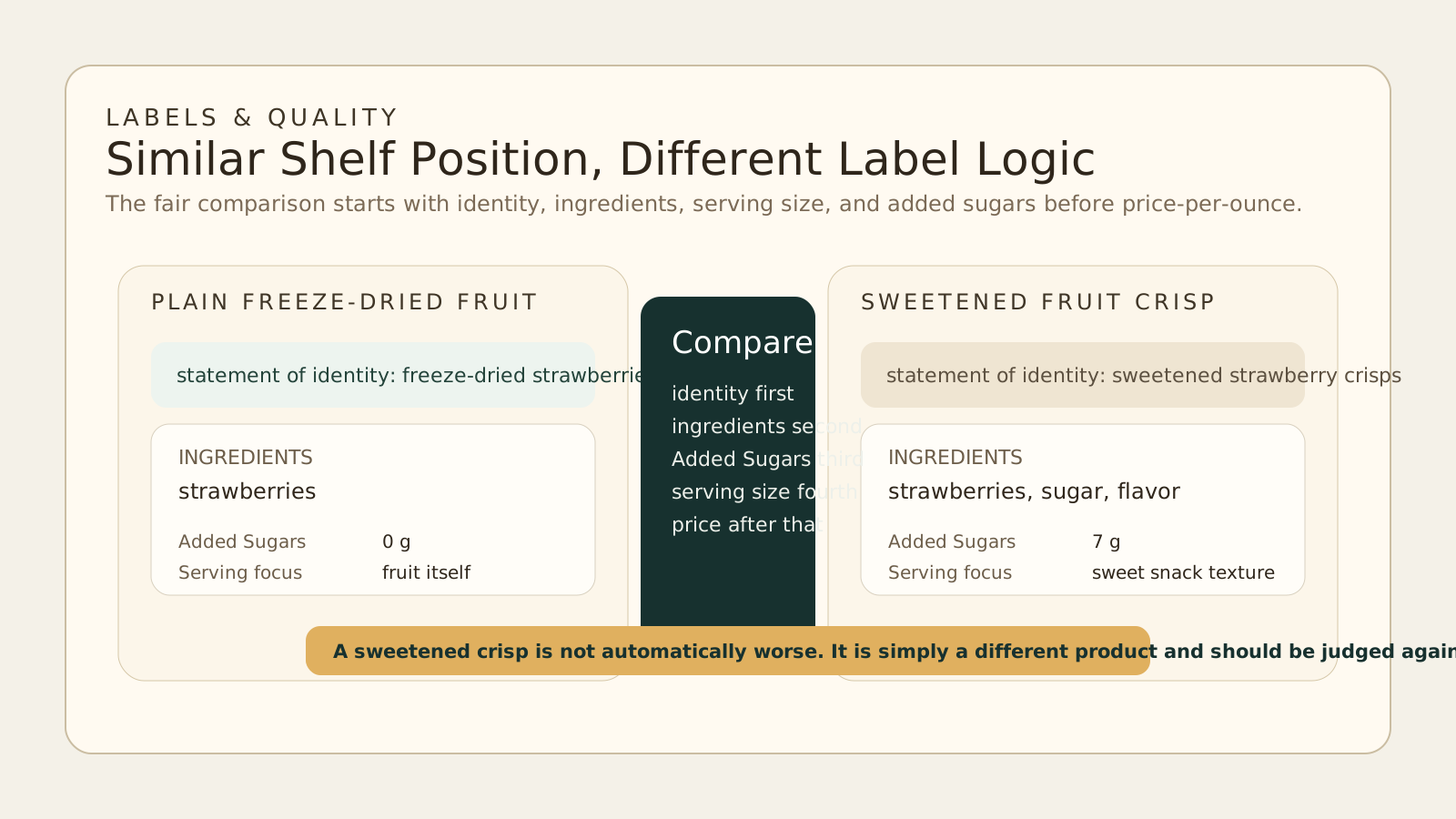
Start with the label. A product that lists only the fruit is the easiest to evaluate. Once you see sweeteners, coatings, or a blend of ingredients, you have more to check and usually less reason to bother for a small child.
Words like "natural" or "real fruit" on the front of the pack do not tell you whether sugar was added. Turn the bag over. A single-fruit ingredient line and zero added sugar is the cleanest starting point.
Fruits that tend to work well
The fruits that suit new eaters are generally the ones that soften and dissolve quickly rather than staying firm and crunchy. Thinner, lower-fiber pieces break down fastest with saliva.
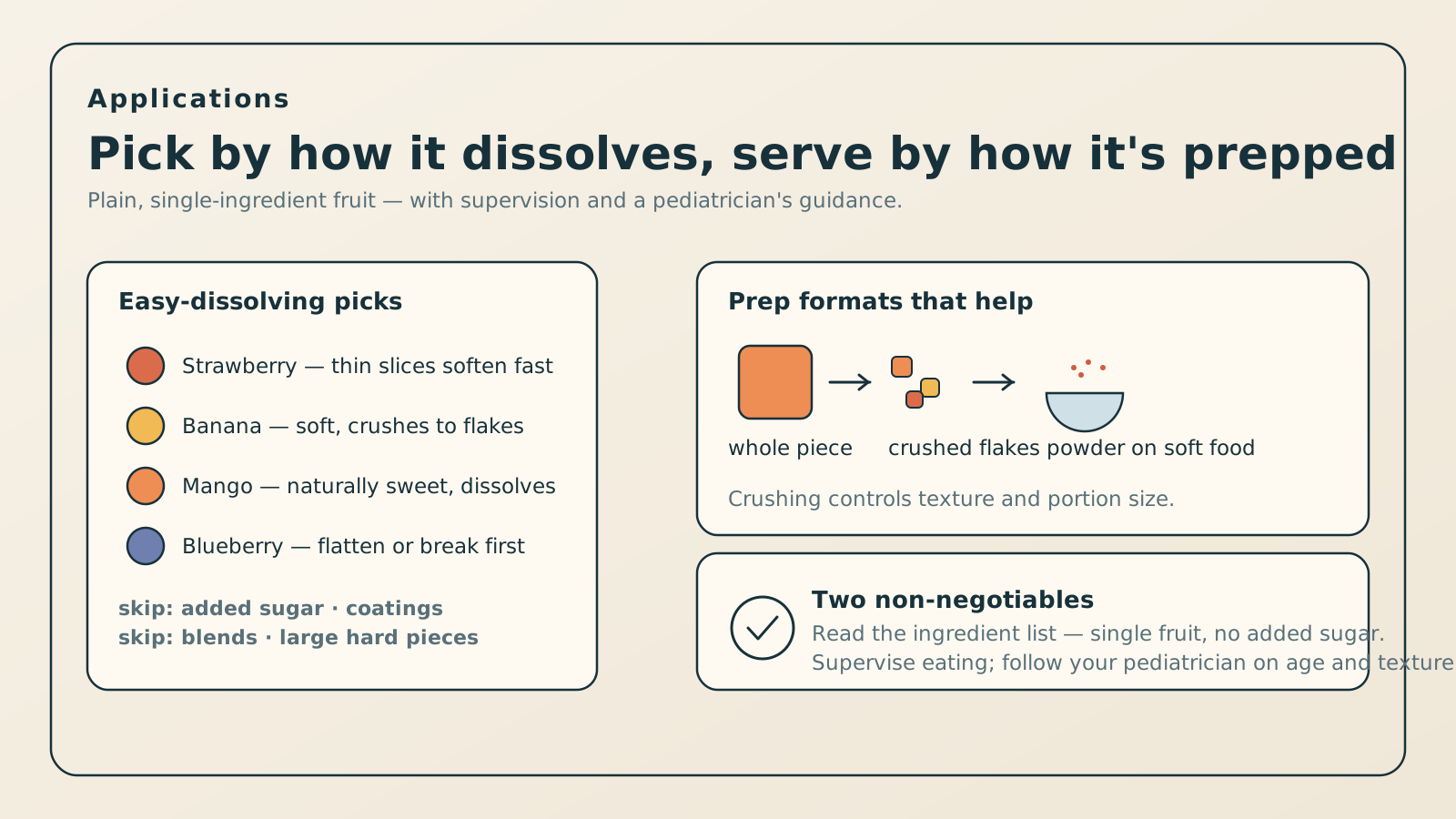
- Strawberries: thin slices dissolve readily and the flavor is familiar.
- Banana: soft-structured and easy to crush into small flakes or powder.
- Mango: dissolves fairly quickly and is naturally sweet without anything added.
- Blueberries: popular, though whole pieces are rounder and firmer, so many parents flatten or break them.
Denser or more fibrous fruits, and any product with large hard chunks, stay firm longer in the mouth, which is worth weighing against your child's age and your pediatrician's advice.
Format matters as much as fruit choice
How you serve freeze-dried fruit often matters more than which fruit it is. A few simple formats make it easier to manage for small kids:
- Crushed flakes: press pieces between clean fingers or a spoon to make smaller, flatter bits.
- Stirred into yogurt or oatmeal: the fruit absorbs moisture and softens, and the color and flavor disperse.
- Fruit powder: blitzing or crushing to a powder lets you dust it over familiar foods in tiny amounts.
Turning pieces into flakes or powder is also the easiest way to control how much your child gets at once, which helps with both safety and waste.
Texture, size, and supervision
Any firm food can pose a choking risk depending on its size, its shape, and the child's age. Freeze-dried fruit is brittle and dissolves, which many parents find reassuring, but brittle is not the same as safe-in-any-form. Round whole pieces, large flat chips, and dense chunks are the formats most parents modify.
The sensible precautions are the ordinary ones: serve age-appropriate textures, break or crush pieces when needed, keep portions small, and supervise eating with the child seated. None of that is unique to freeze-dried fruit, and none of it replaces your pediatrician's guidance on what is appropriate for your child right now.
What to skip for little kids
Plenty of freeze-dried fruit products are made for adult snacking and are not the simplest pick for a toddler:
- Added sugar or sweetened crisps, which add sweetness a small child does not need from a snack.
- Yogurt-style or candy coatings, which change the ingredient list and the texture.
- Blends and trail-style mixes, which can include nuts, seeds, or other components you may not want.
- Large, hard, rounded pieces, which are the shapes most worth modifying or avoiding.
A plain single-fruit bag avoids all of these by default, which is the main reason it is the easiest category to shop for this use.
Storage so it stays easy to crush
Freeze-dried fruit stays brittle and easy to crush only while it is dry. Once it picks up humidity it turns leathery and is harder to break into small bits, which is the opposite of what you want for a small child. Reseal tightly, press out air, and keep it cool and dry; for powders especially, a small clip is not enough, so move to an airtight container after opening.
Bottom line
For babies and toddlers, the best freeze-dried fruit is plain, single-ingredient, and chosen for how easily it dissolves and how simple it is to crush or portion. Strawberry, banana, and mango are easy starting points; skip added sugar, coatings, and blends; and lean on crushing, powdering, or stirring into soft foods to control texture and amount. Above all, treat this as a buying and prep guide and follow your pediatrician's guidance on what is right for your child and how to serve it safely.
Frequently Asked Questions
Is freeze-dried fruit good for babies and toddlers?
Many families use plain freeze-dried fruit because it is light, dissolves easily, and has no added ingredients when it is single-fruit. Whether it suits a particular child and age is a question for your pediatrician, who can advise on timing, texture, and how to serve it safely.
Which freeze-dried fruits dissolve most easily?
Thin, lower-fiber fruits like strawberry slices, banana, and mango tend to soften and dissolve quickly with saliva. Denser or more fibrous pieces stay firm longer, which matters for new eaters.
Do I need to crush freeze-dried fruit for young children?
Often yes. Crushing or breaking pieces into smaller, flatter bits, or turning them into a powder over yogurt or oatmeal, can make them easier to manage. Follow your pediatrician's guidance on appropriate textures for your child's age.
What should I avoid when buying for little kids?
Look out for added sugar, sweetened crisps, yogurt-style coatings, blends with other ingredients, and choking-shaped hard pieces. A single-fruit ingredient list is the easiest to evaluate.
Is freeze-dried fruit a choking hazard?
Any firm food can pose a risk depending on size, shape, and the child's age. Supervising eating, serving appropriate textures, and following pediatric guidance are the key precautions. This article does not replace that guidance.
Primary sources & further reading
- Choking Prevention American Academy of Pediatrics (HealthyChildren.org) Referenced for general guidance that food size, shape, and texture affect choking risk for young children and that supervision matters.
- Added Sugars on the Nutrition Facts Label U.S. Food & Drug Administration Referenced for how added sugars are declared on the label, which supports choosing single-ingredient products without added sugar.
External links open in a new tab. We do not receive compensation from any organization listed; sources are referenced because they are primary, current, and publicly verifiable.