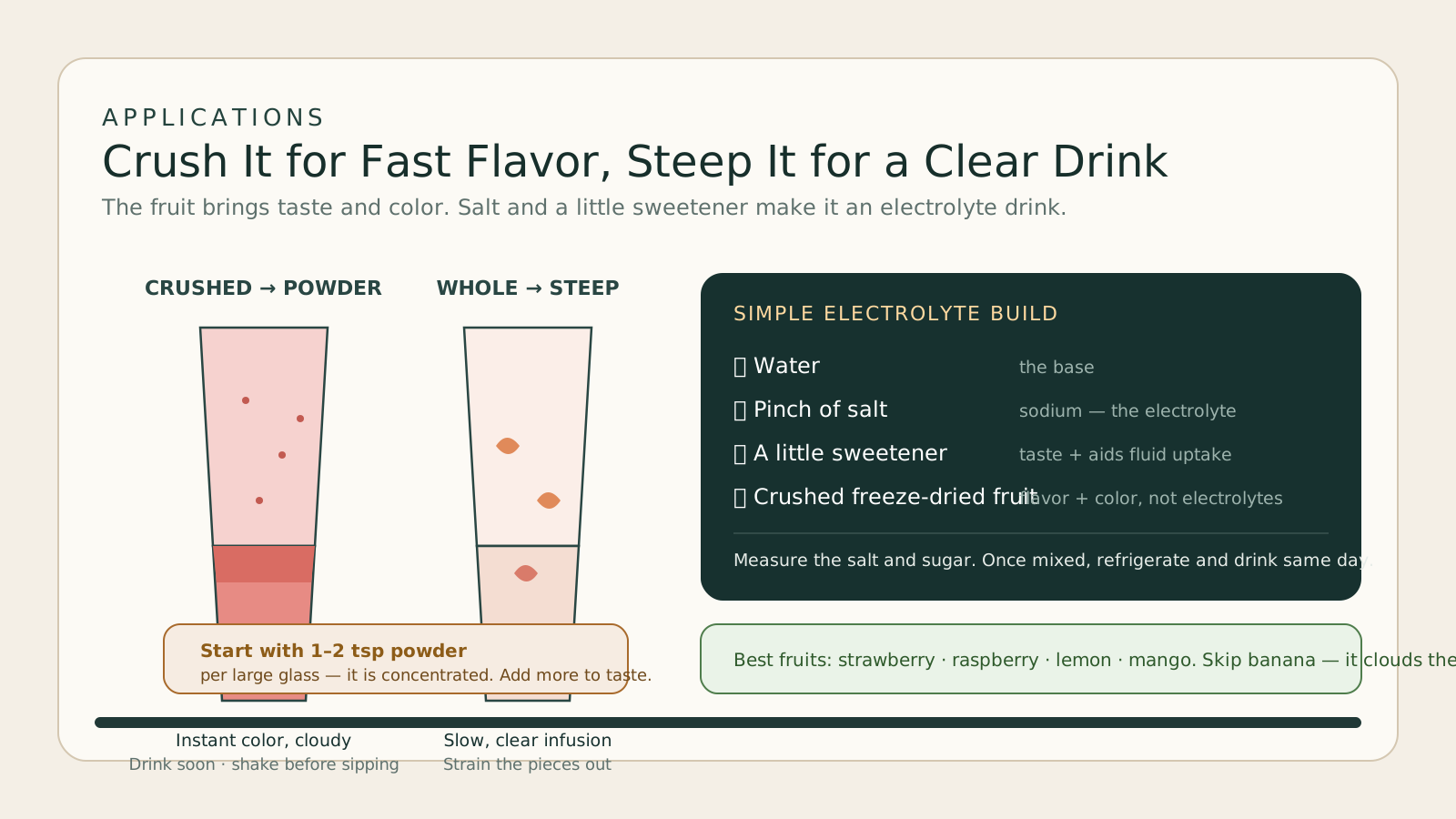
- Freeze-dried fruit dissolves and infuses cleanly because the water is already gone; crush it to a powder for instant flavor and color, or drop in whole pieces for a slower, clearer infusion you can strain.
- It carries flavor, not electrolytes — for a real electrolyte drink you still add the salt and a little sweetener; the fruit's job is taste and color, which is where store mixes often rely on artificial flavor.
- Start with less than you think: a teaspoon or two of powder per large glass is plenty because freeze-dried fruit is concentrated, and too much turns the water cloudy, gritty, or sour.
There is a familiar disappointment to fresh fruit in a water bottle. You slice strawberries or lemon into the bottle in the morning, and by mid-afternoon the fruit is pale, waterlogged, and slumped at the bottom, having given up most of its flavor and all of its looks. Freeze-dried fruit solves the problem from the other direction. Because the water is already gone, it infuses cleanly, colors brightly, and does not turn to sludge — and a single jar keeps in the cupboard, so you are not sacrificing half a lemon for one bottle. It also happens to be a good base for a homemade electrolyte drink, as long as you are clear about what the fruit does and does not do.
The direct answer
Decide what you want the drink to look like, and let that choose your form. For fast, vivid, everyday flavored water, crush freeze-dried fruit to a powder and stir or shake it in; it disperses immediately and tints the whole bottle. For a clearer, more elegant infusion, drop in whole pieces, let them steep, and strain them out. For an electrolyte drink, start from either of those and add the two things fruit cannot supply: a pinch of salt and a little sweetener. In all cases, start with less than you expect to need, because freeze-dried fruit is concentrated.
Why it behaves better than fresh
Three properties of freeze-dried fruit make it well suited to drinks.
It has no water to give up. Fresh fruit dilutes and decays as it sits; freeze-dried fruit instead absorbs water, releasing flavor and color as it rehydrates rather than breaking down into mush. That is why it flavors without the slumped, waterlogged wreckage.
It is concentrated. With the water removed, the flavor and pigment are packed into a small mass, so a little goes a long way. That is a gift for a quick, punchy drink and a trap if you overpour, because too much turns the water cloudy and can make it sour or gritty.
It is shelf-stable and portioned. A jar of freeze-dried strawberry lives in the cupboard for months. You use a spoonful per bottle and close the jar, with no half-cut fruit going brown in the fridge. For a drink you make daily, that convenience is most of the appeal.
Flavored water, two ways
For the fast version, crush a small amount of freeze-dried fruit — strawberry, raspberry, mango, or lemon all work well — into a coarse powder and add it to your glass or bottle. Start with roughly a teaspoon or two per large glass, add water, and shake or stir. It colors instantly. Very fine skin and fiber may leave the water slightly cloudy and settle over time; a quick shake before drinking brings it back together. This is the method for a bottle you will finish within the hour.
For the clear version, use whole pieces instead. Drop a few into cold water and let them steep for a while, then strain. The fruit rehydrates and gives up flavor gradually, so the water stays clearer and picks up a cleaner, more delicate taste. This is the method for a pitcher on the table or a drink you want to look as good as it tastes.
Cold water infuses more slowly but keeps flavors fresh and bright. If you are steeping whole pieces and want faster results, room-temperature water speeds things up; just refrigerate the finished drink and use it within a day.
Building a homemade electrolyte drink
Here is the honest part: freeze-dried fruit is not an electrolyte source. It brings flavor and color, which is genuinely useful — most of what makes commercial sports drinks palatable is exactly that flavor-and-color layer, often built on artificial ingredients. But the electrolytes themselves come from what you add.
A simple homemade build starts with water, a small pinch of salt for sodium, and a little sweetener — sugar, honey, or maple — both for taste and because a modest amount of sugar can help the body take up fluid. Then you flavor it with crushed freeze-dried fruit: citrus and berry pair naturally with the slightly salty base. A squeeze of fresh citrus alongside the powder rounds it out. The result is a drink you control, flavored with real fruit rather than synthetic flavoring, at a fraction of the cost of bottles.
Two cautions keep this sensible. First, the amounts of salt and sugar matter, so measure rather than eyeball, especially if you or anyone drinking it needs to watch sodium or manage a health condition — homemade does not mean unlimited. Second, once you have rehydrated the fruit and mixed the drink, it is a perishable beverage, not a shelf-stable snack, so keep it cold and drink it the same day.
Fruit choices and small mistakes to avoid
The fruits that shine here are the bright, tart, high-pigment ones. Strawberry and raspberry give bold color and berry flavor; lemon adds a clean sourness that suits an electrolyte build; mango brings a rounder, tropical note. Softer or starchier fruits — banana especially — cloud the water and muddy the flavor, and are better saved for smoothies or baking.
The most common mistake is simply using too much, chasing intensity until the drink turns cloudy, gritty, or unpleasantly sour. Freeze-dried fruit rewards restraint: add a little, taste, and add more. The second mistake is expecting powder to vanish completely in cold water; a bit of sediment is normal, and a quick shake or a strain handles it depending on which look you are after. Get the amount right and you have bright, real-fruit water — and a cheaper, better-tasting sports drink — from a jar that lives in the cupboard.
Frequently Asked Questions
Does freeze-dried fruit dissolve in cold water?
Powdered, mostly yes — it disperses quickly and colors the water, though very fine bits of skin or fiber may settle and make it slightly cloudy. Whole pieces do not dissolve; they rehydrate and release flavor slowly, which is what you want for a clear infusion you plan to strain. Cold water infuses more slowly than room temperature but keeps the flavor fresher.
Will homemade infused water keep me hydrated like a sports drink?
Plain fruit-infused water hydrates like water — pleasant, but it is not a sports drink. What makes an electrolyte drink an electrolyte drink is the added sodium (and often a little sugar to aid absorption and give energy). Freeze-dried fruit supplies flavor and color; you add the salt and sweetener separately. Anyone managing sodium intake or a medical condition should treat homemade electrolyte drinks with the same caution as store-bought ones.
Powder or whole pieces — which should I use?
Powder for speed and intensity: it flavors and colors immediately and is ideal for a shaken bottle you will drink soon. Whole pieces for clarity and control: they infuse gradually and can be strained out, giving a cleaner-looking drink with less sediment. Many people keep both on hand.
How long does homemade fruit-infused water last?
Treat it like any prepared drink: keep it cold and drink it within a day or so. Because you have added moisture back to the fruit, the usual food-safety rules apply once it is rehydrated — it is no longer shelf-stable. Refrigerate it, and do not leave it warm for hours.
Which fruits work best?
Bright, tart, high-color fruits punch above their weight: strawberry, raspberry, lemon, and mango dissolve into vivid, flavorful water. Berries give strong color; citrus adds a clean sour note that pairs naturally with an electrolyte build. Softer, starchier fruits like banana muddy the water and are better kept for other uses.